
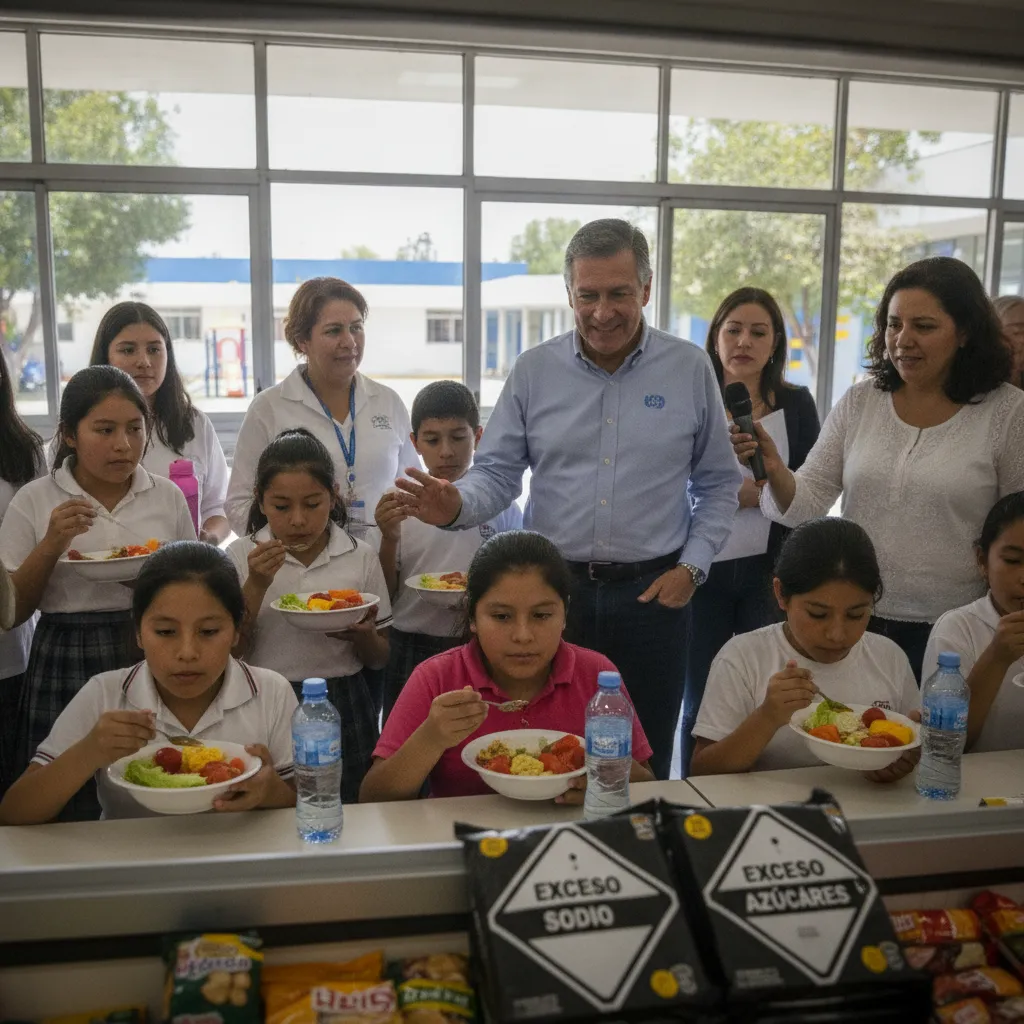
In a world where acute hunger has tripled over the last five years, reaching a staggering 300 million people, the United Nations World Food Programme is looking toward Mexico as a potential roadmap for success. Carl Skau, acting executive director of the WFP, recently praised the nation’s aggressive approach to nutrition and poverty reduction. From strict regulations on food sold in schools to clear front-of-package labeling, Mexico is implementing systemic changes that Skau believes can be exported to other struggling nations, despite the significant political pushback such measures often encounter.
One of the standout achievements highlighted by the WFP is Mexico’s comprehensive school feeding program. By providing daily breakfasts and nutrient-dense hot meals focused on proteins and vegetables rather than sugars and oils, the government is tackling malnutrition at its root. These initiatives have also created vital economic opportunities for local women who manage school kitchens, allowing them to earn a living within their own communities while preserving traditional culinary heritage. This model of combining health with community empowerment is already being shared via workshops and learning missions with partners in Colombia and Peru.
However, this progress arrives against a backdrop of severe global instability caused by climate change and geopolitical conflict. While Latin America remains a primary food supplier for the planet, millions across the region still struggle to eat, plagued by some of the highest costs for healthy diets globally. Skau noted that the current challenge has shifted from simply producing enough calories to ensuring that nutritious food is actually accessible to the poorest populations, particularly as weather patterns like El Nino threaten to extend existing crises.
Despite these policy wins, internal economic pressures continue to undermine food security for many Mexican families. Recent data indicates a troubling trend where rising housing costs are forcing citizens to make impossible choices between shelter and sustenance. A significant majority of residents reported cutting back on food expenses or skipping necessary medical care just to keep their homes. This intersection of housing insecurity and nutritional deficit suggests that while national policies are gaining international acclaim, the day-to-day reality for many households remains precarious.
