
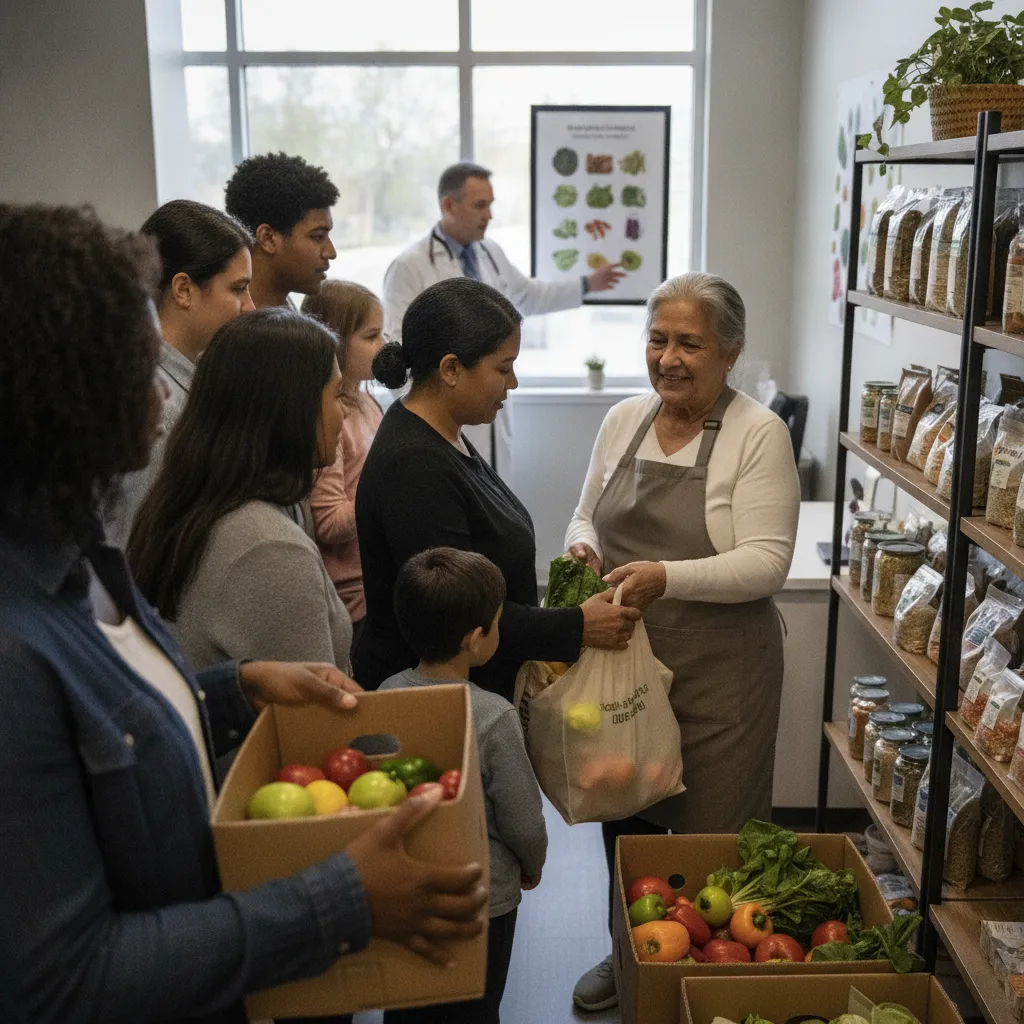
Recent insights from Food Tank highlight a shifting landscape where nutrition is becoming a primary tool for medical treatment. A new study suggests that providing patients with plant-based, medically tailored groceries through community health centers can lead to tangible improvements in weight and blood pressure. While these results are observational rather than definitive, they signal a long overdue alignment between modern healthcare systems and the ancestral wisdom of Indigenous cultures that have treated food as medicine for generations. This move toward accessibility reflects a broader trend of rethinking how basic resources impact public health outcomes.
On the environmental front, smaller scale interventions are proving that massive problems like food waste can be tackled with simple logistics. Across the United States, hundreds of local scrap collection services, such as Detroit’s Scrap Soils, are transforming household organic waste into nutrient rich compost for regional farms. By treating coffee grounds and vegetable peels as assets rather than trash, these grassroots operations demonstrate that systemic change often begins with a bucket and a truck, turning urban waste streams back into agricultural productivity.
However, larger corporate entities appear to be lagging behind in their understanding of ecological instability. An analysis by the Food and Land Use Coalition warns that major food companies are failing to grasp the compounding nature of climate risks. Rather than preparing for isolated events like a single drought, firms must recognize that wildfires, pests, and water shortages interact simultaneously to destabilize supply chains. True resilience requires moving away from outdated assumptions about stability and investing instead in soil health and diversified farming practices rather than pushing all the risk onto the producers.
Global efforts are also intensifying to protect the foundational ecosystems that make farming possible. The UN Food and Agriculture Organization is currently advocating for increased funding for dryland forests, emphasizing that biodiversity and forest preservation are inseparable from food security. Similarly, the African Union is calling for better access to climate resilient seeds to combat erratic weather patterns across the continent. Experts emphasize that this innovation should not replace traditional farmer knowledge but should blend scientific research with local expertise to ensure growers can sustain their livelihoods in an increasingly unpredictable environment.
