
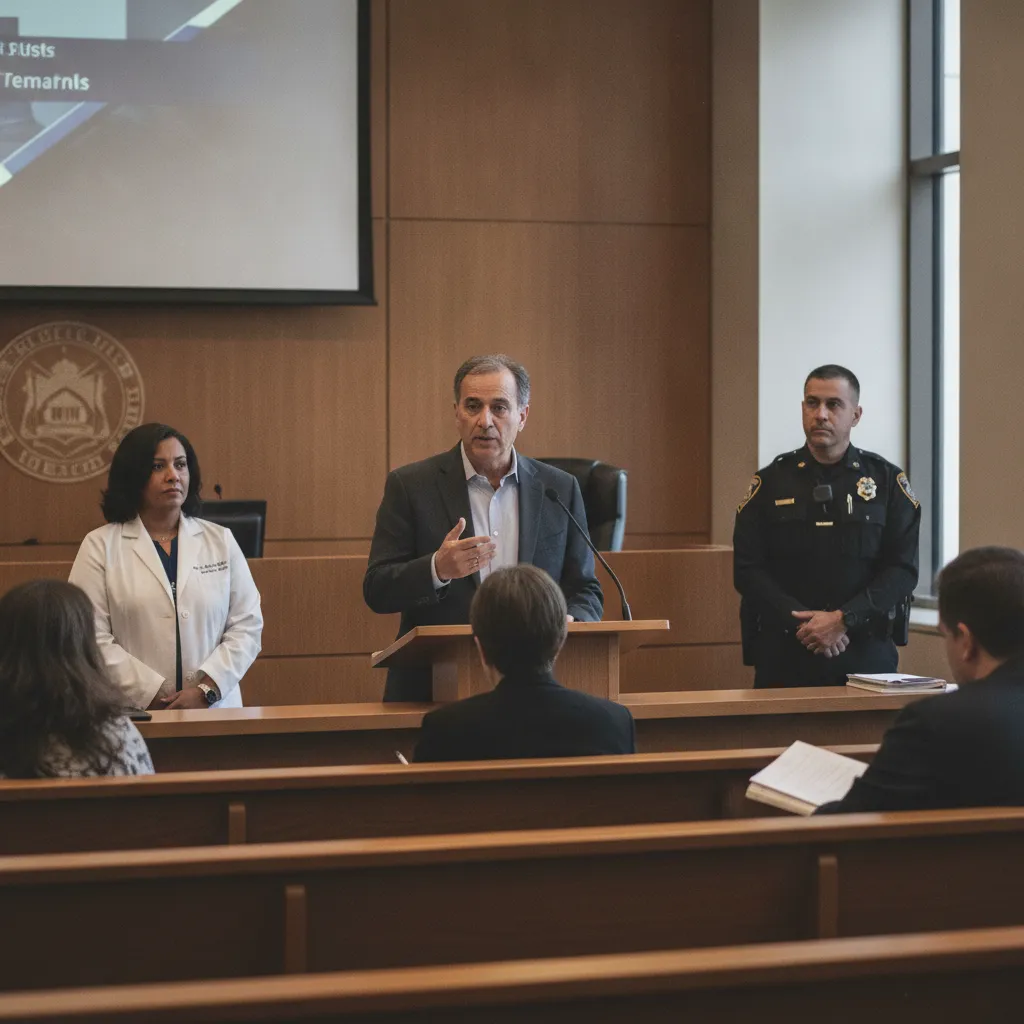
Salt Lake County District Attorney Sim Gill is championing a shift in how the local justice system handles individuals suffering from severe mental health crises. Rather than allowing these vulnerable populations to cycle through jails and prisons, Gill is proposing the creation of a specialized civil commitment court. The goal is to intervene early and steer people toward clinical treatment before their situation escalates into a criminal matter, addressing what he describes as a systemic lack of viable options for civil commitment.
This proposed court would operate as a collaborative hub, bringing together lawyers, patient advocates, medical providers, and families to establish a comprehensive plan of care. To ensure that constitutional protections remain intact, every individual entering the program would be assigned a guardian ad litem to serve as legal counsel. By prioritizing a continuity of care model over punitive measures, Gill believes the county can maintain public safety while holding both patients and their healthcare providers more accountable for long term recovery.
The initiative has already garnered cautious optimism from those on the front lines of mental health advocacy. Sherri Wittwer of the Utah Shattering Silence Coalition noted that the current reliance on jails as default treatment centers effectively criminalizes severe illness. She suggested that involving family members and people with lived experience in this new judicial model could provide the lifesaving support necessary to keep people out of handcuffs and in clinics.
Legislative interest is also beginning to stir, with some lawmakers suggesting that such a court could add much needed teeth to existing policies regarding accountability under civil commitment. While the project still requires thorough vetting from a policy standpoint, any request for state funding or official resources would likely land on the desks of legislators during the January 2027 session. For now, the proposal represents a hopeful attempt to treat psychiatric emergencies as medical failures rather than legal ones.
