
The streets of downtown Lewistown were filled with the joyful chaos of Goose Day, a local tradition celebrating prosperity and good fortune. Colorful floats rolled past cheering crowds while children scrambled for handfuls of candy and visitors sipped warm goose meat soup at the Square Cafe. To any casual observer, it was a quintessential autumn celebration in central Pennsylvania. Yet, just a short distance away at Geisinger Lewistown Hospital, the atmosphere is far grimmer. The region is currently grappling with its deadliest measles outbreak in decades, and Mifflin County now holds the dubious honor of having the highest infection rate in the entire state.
Despite the alarming statistics and recent tragedies, including the death of an eighteen year old Amish girl from complications related to the virus, there is a striking lack of urgency on the ground. While public health experts nationwide issue sobering warnings about a disease once thought eradicated in the United States, residents here seem to operate with a sense of detached calm. In local shops and cafes, conversation flows easily toward football scores and the weather, but rarely touches upon the medical crisis unfolding in their own backyard. Local business owners report that customers aren’t talking about it, and even local radio hosts find that calls dry up completely when they attempt to open a dialogue about the outbreak.
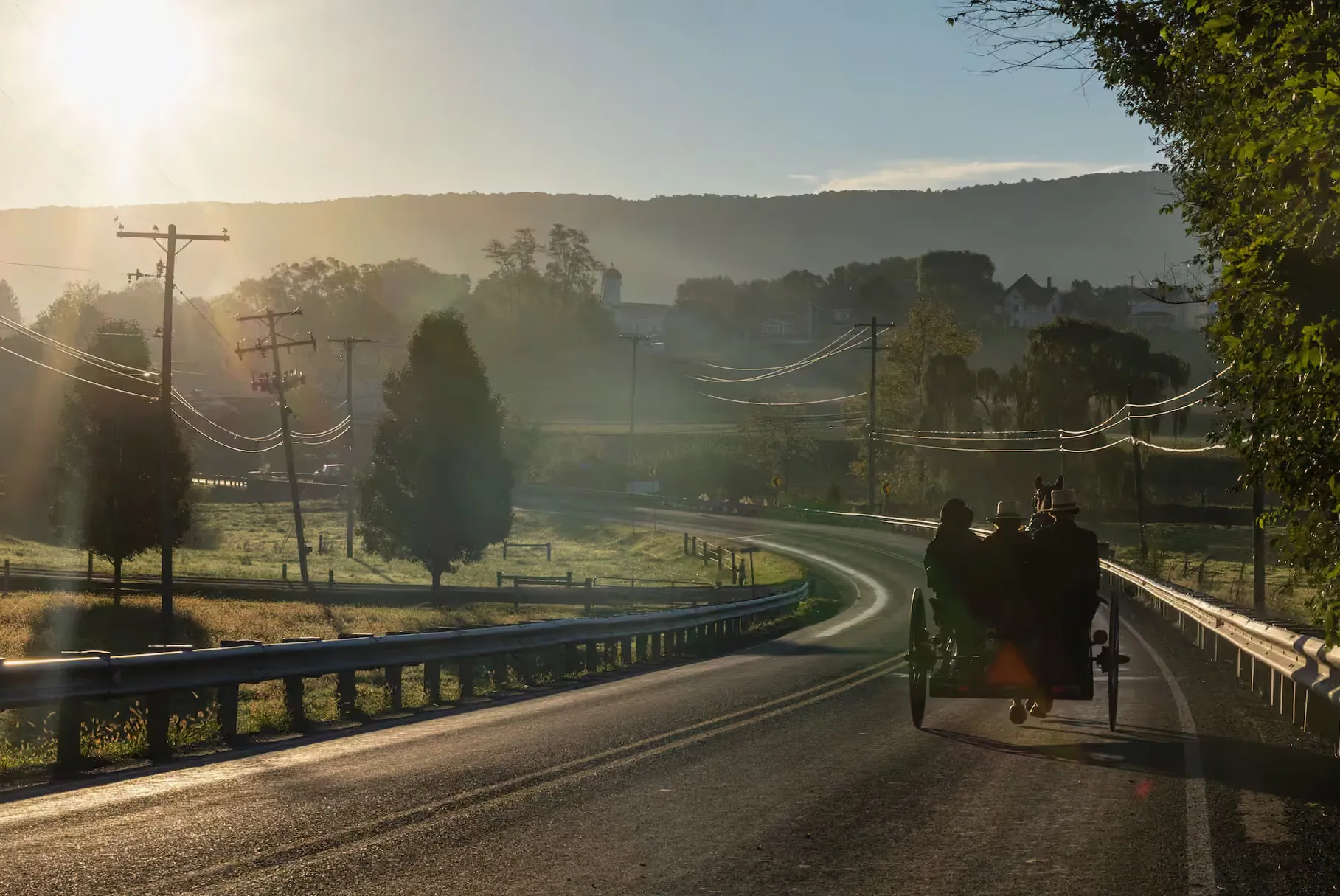
This collective shrug is rooted in a complex blend of cultural traditions and political leanings. Mifflin County is home to several thousand Amish residents who are often skeptical of modern medicine and vaccinations. Many within these tight knit circles view illness as an inevitable part of existence rather than a preventable disaster. This sentiment is mirrored by some non Amish residents in a heavily Republican area where vaccine hesitancy has become more common. With seventh grade vaccination rates hovering around seventy seven percent—vastly lower than urban centers like Philadelphia—the environment has become fertile ground for the virus to spread unchecked.
Medical professionals attempting to intervene face an uphill battle against deep seated distrust and traditional values. Doctors note that legal mandates carry little weight in communities that prioritize autonomy and faith over government directives. As confirmed cases continue to climb into the hundreds, officials worry that current numbers are merely undercounts of a much larger problem. For now however, life continues without interruption in Mifflin County, where buggy wheels and SUV tires share parking lots and most neighbors prefer to believe that worrying is simply not worth the effort.
