
For decades, public health officials and hikers have looked toward white tailed deer as the primary culprits behind the spread of Lyme disease. The logic seemed sound since deer provided the necessary blood meals for adult ticks to reproduce. However, a landmark study spanning thirty five years from the Cary Institute of Ecosystem Studies suggests we have been looking at the wrong animal. Researchers found that deer populations actually have no statistically significant connection to the number of nymphal ticks, which are the immature ticks most likely to infect humans with Borrelia burgdorferi.
Instead, the real drivers of tick surges are far smaller and more hidden. White footed mice act as highly efficient reservoirs for the bacteria, meaning that years with booming mouse populations almost always lead to a forty percent spike in nymphal ticks the following year. This discovery shifts the focus of disease prediction away from large mammals and toward the tiny rodents scurrying through the underbrush, offering a clearer way to anticipate when human exposure risks will peak.
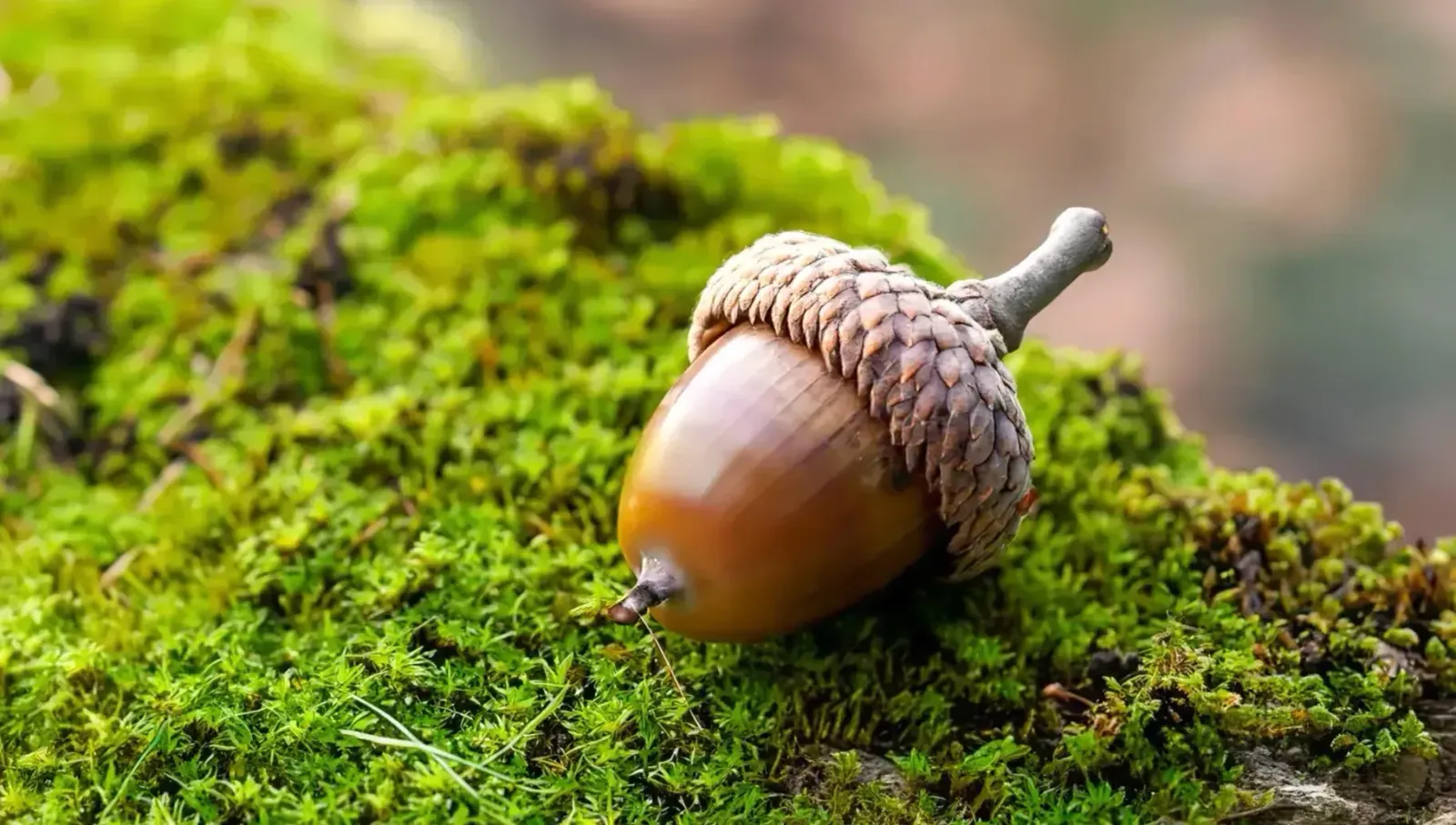
Perhaps most surprising is that this biological chain reaction begins high above the ground in the canopy of oak trees. Through a process called acorn masting, oaks occasionally produce massive quantities of seeds in synchronization. These bumper crops provide an explosion of food for mice, causing their populations to soar a year later, which in turn fuels a surge of infected ticks two years after the initial acorn drop. Essentially, nature provides a two year early warning system written in fallen nuts.
Despite these links, ecologists discovered that more mice do not necessarily mean more infected ticks. While rodent numbers predict how many ticks will exist, other forest residents like skunks and opossums play a balancing role because they are less effective at passing the bacteria along. By studying these complex webs over three decades rather than short term bursts, scientists are finally uncovering how a simple tree seed can ripple through an entire ecosystem to impact human health.
