
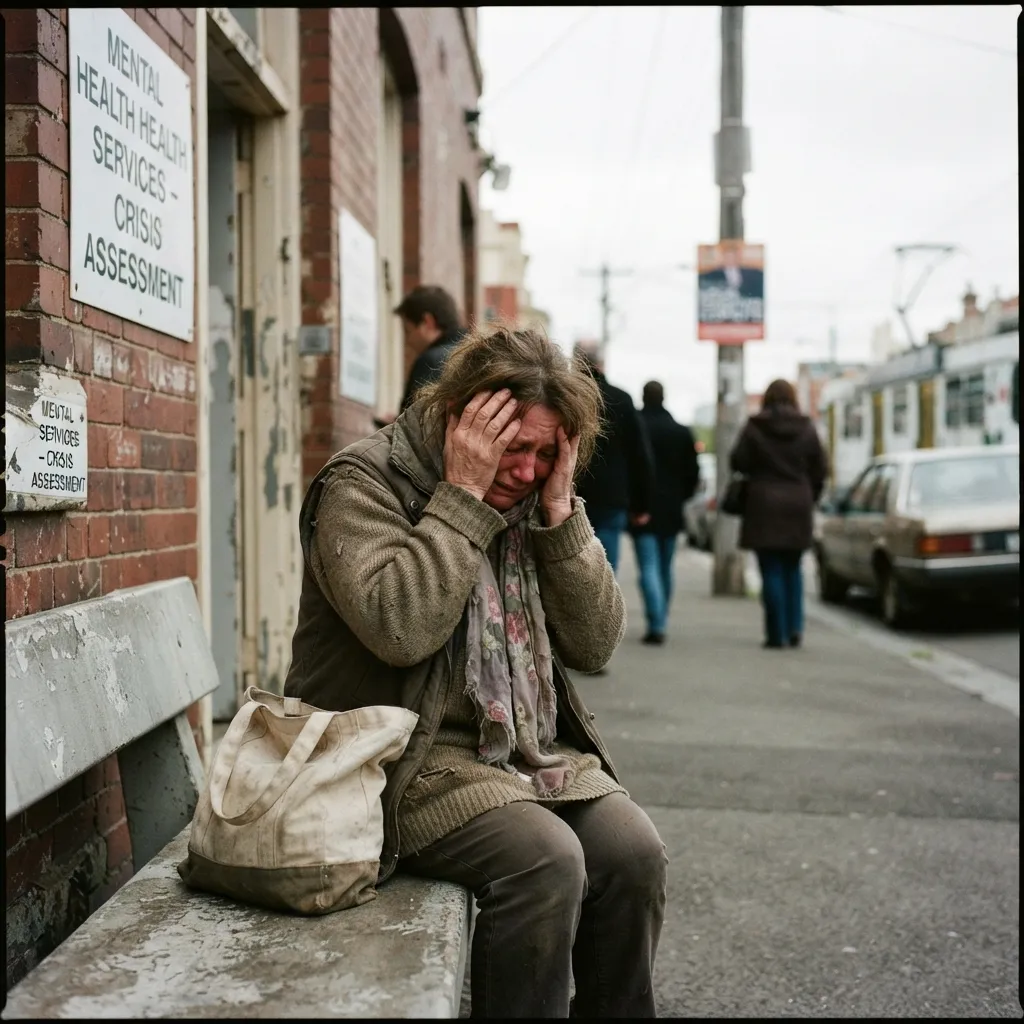
As Victorians prepare to head to the polls, the political conversation has remained firmly anchored in tangible frustrations like the rising cost of living, housing shortages, and concerns over crime. Yet beneath these surface level grievances lies a deeper, systemic collapse that has almost entirely vanished from the campaign trail. For too long, mental health has been treated as a footnote rather than a catalyst, ignored by policymakers until tragedy forces their hand. Recent spikes in violent incidents and unprovoked stabbings in Melbourne have finally pushed the issue into the spotlight, prompting urgent talks between city leadership and the state government.
However, reactive promises offer cold comfort to those already trapped in a broken system. Independent MP Helen Haines, currently recovering from a brutal attack that resulted in the loss of both her legs, has spent years warning that regional Victoria is essentially a desert for psychiatric support. Her experience highlights a terrifying pattern where individuals with severe psychological struggles only become visible to society once they have transitioned from patients to perpetrators. While data suggests people with mental illness are far more likely to be victims of crime than offenders, the public narrative remains skewed toward fear rather than prevention.
This crisis is not an overnight phenomenon but the result of decades of strategic neglect by both major political parties. The dismantling of institutional care occurred without any meaningful investment in specialized residential services or outpatient alternatives. Now, seventy five percent of Victorians admit to delaying necessary support due to exorbitant costs or grueling wait times. This vacuum of care is creating fertile ground for populist movements, as residents in underserved regions feel abandoned by a traditional political class that views mental health as something that simply does not poll well enough to warrant serious action.
The irony is that psychological distress is perhaps the single common thread linking every major electoral issue today, from domestic violence and addiction to financial stress and homelessness. Despite pleas from sector leaders and harrowing testimonies from citizens at public forums, politicians continue to treat mental health policies as mere checkboxes on a campaign flyer. Fixing this wreckage will require far more than superficial funding boosts or rhetoric; it requires addressing a generational failure of governance that cannot be patched as easily as a pothole in the road.
