
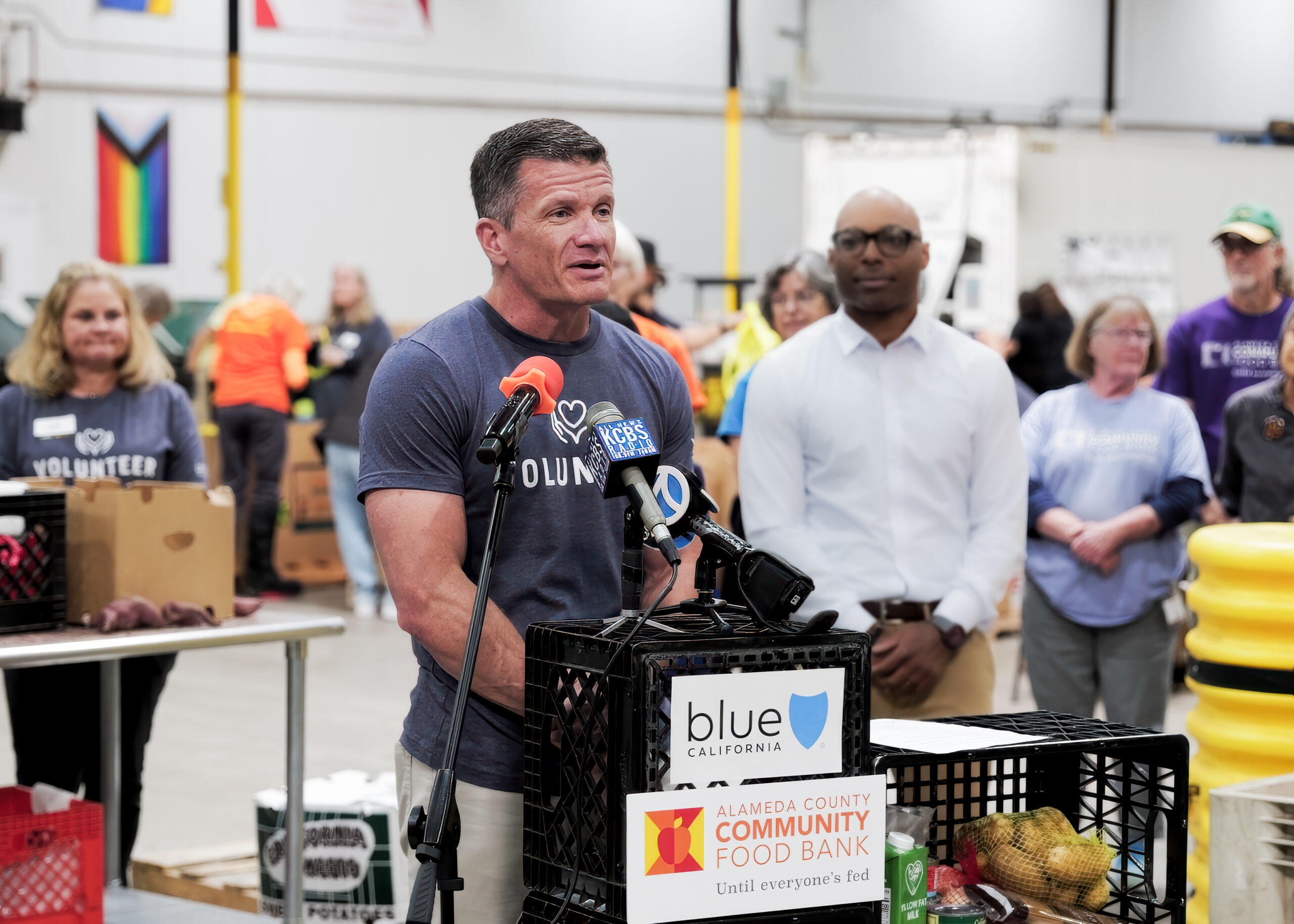
Blue Shield of California is taking a significant step toward integrating nutrition into primary healthcare with the launch of its new Food as Health initiative. The nonprofit health plan has committed 600,000 dollars to support seven food security organizations across the state, focusing on the belief that access to nutritious food is a fundamental driver of overall wellness. By investing in medically tailored meals and community based nutrition programs, the company aims to help Californians better manage chronic diseases like diabetes and heart disease while making long term healthcare more affordable.
The flagship partnership for this initiative kicks off in Oakland with a 300,000 dollar multi year investment in the Alameda County Community Food Bank. These funds are specifically earmarked to expand the Food as Medicine program, which delivers medically supportive food and nutritional education directly to Medi Cal members struggling with chronic conditions. As the program’s first and largest corporate sponsor, Blue Shield will help the food bank scale its operations and improve the data collection necessary to prove how diet can effectively supplement traditional clinical care.
During a recent volunteer event at the food bank’s Oakland facility, Blue Shield employees spent time assembling welcome kits and food boxes for participants who receive twelve weeks of specialized groceries including fresh produce and lean proteins. Mike Stuart, president and CEO of Blue Shield of California, emphasized that providing healthy food options is essential for preventing illness and building healthier communities. He noted that as a nonprofit health plan, his organization has a responsibility to address the social factors that influence patient outcomes beyond the doctor’s office.
Regi Young, executive director of the Alameda County Community Food Bank, described the partnership as a way to push the boundaries of what a traditional food bank can achieve. She highlighted that their program has already grown from a small pilot group to serving over 400 people annually since 2024. According to Young, this investment acts as a catalyst that could reshape how chronic diseases are treated throughout California by treating food insecurity not just as a hunger issue but as a critical component of medical treatment.
