
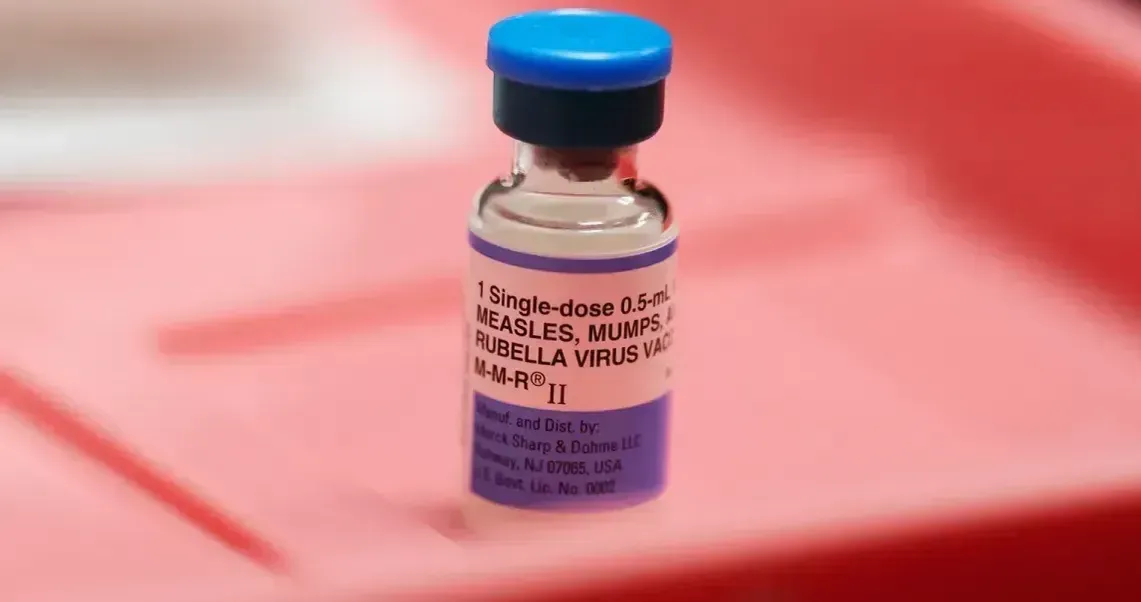
Pennsylvania is currently grappling with its most severe measles crisis in over thirty years, surpassing 1,000 confirmed cases this year alone. State health officials report that the outbreak began in April west of Philadelphia and has already resulted in five deaths and nearly 200 hospitalizations. This spike mirrors a troubling national trend, as the United States endures its worst year for the virus since 1991, with nearly 3,900 cases reported across the country.
The surge has sparked urgent action in neighboring regions, leading the governor of New York to declare a disaster emergency. To combat the spread within his own borders and along state lines, New York is expanding the number of professionals authorized to administer vaccines to include paramedics and midwives. Other states like Ohio, Texas, and Utah have also seen significant clusters, often concentrated in communities where vaccination rates remain stubbornly low due to healthcare barriers or misinformation.
Public health experts warn that these outbreaks are a direct consequence of falling immunization levels. While the U.S. officially eliminated domestic measles transmission in 2000, coverage has recently dipped below the critical ninety five percent threshold required for herd immunity. Because the virus can linger in the air for up to two hours and infect nine out of ten susceptible people upon exposure, officials fear the window for containment is closing rapidly.
Adding to the public health crisis is a political rift regarding how this data is handled. A tension has emerged between Pennsylvania Governor Josh Shapiro and U.S. Health Secretary Robert F. Kennedy Jr., particularly concerning delays in reporting fatalities on federal dashboards. As international health officials prepare to meet this November, there is growing concern that both the United States and Mexico may officially lose their long held measles free status.
