
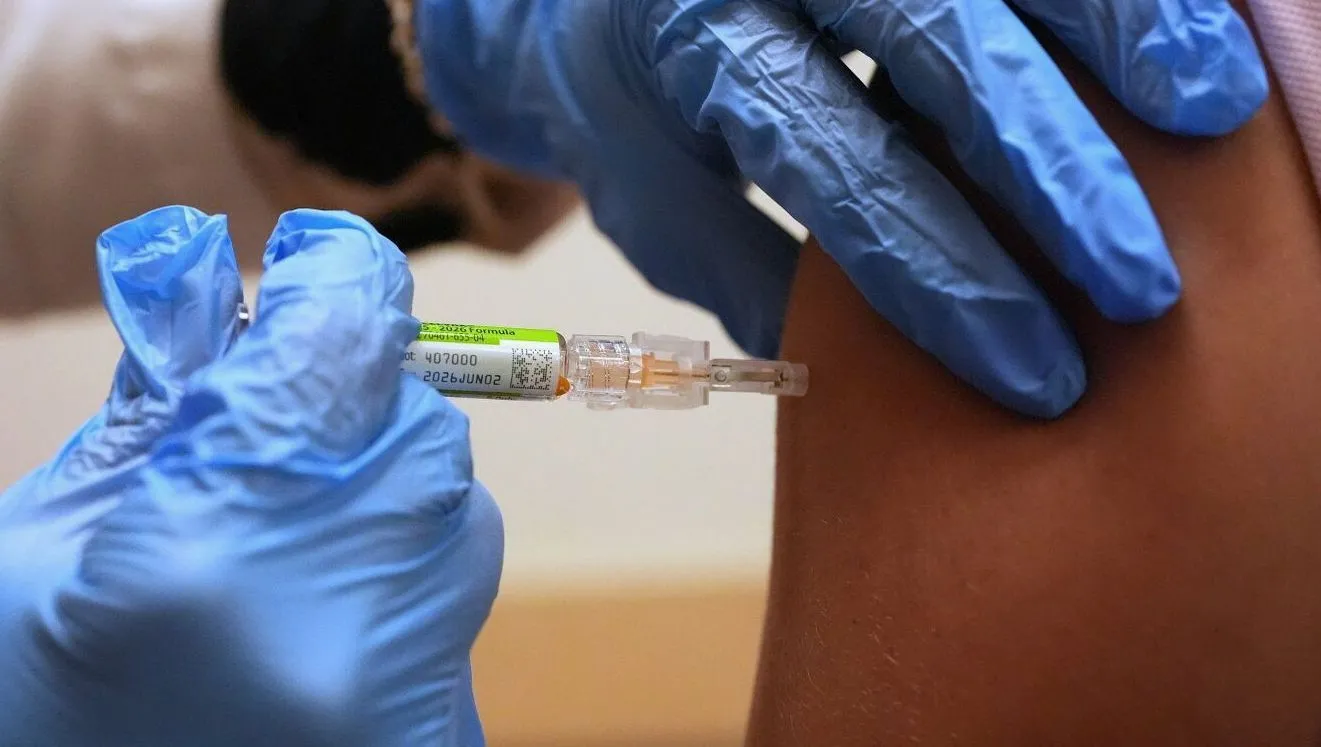
While autumn has only just arrived, health experts are warning that the typical timeline for the flu season has shifted unexpectedly. Usually, cases begin to climb in October or November, often starting in the Southern United States before spreading north. However, data shows a steady rise in positive tests and emergency room visits since early September, particularly across Western states like California, Washington, Hawaii, and Alaska. Epidemiologists note that this level of activity is far more characteristic of late November or December than the start of September.
The cause behind this erratic behavior remains uncertain, though some scientists believe a mutated variant may be responsible. According to virologists at the University of Washington, a new version of the virus appears better at evading existing immunity, especially among teenagers. Some clinics are already reporting patient volumes similar to what they typically experience around Christmas, leading researchers to urge the public to seek out their vaccinations sooner than they have in previous years.
Despite these warnings from medical professionals, there is growing concern over a perceived lack of urgency from federal health authorities. Critics point out that the Centers for Disease Control and Prevention has been unusually quiet regarding its promotional efforts for flu shots this year. Former officials suggest this silence may be linked to political shifts within the agency under current leadership, noting that any delay in communication could lead to avoidable hospitalizations and deaths throughout the winter months.
In response to these concerns, a spokesperson for the CDC stated that the agency is currently developing a communications strategy intended to provide clear information on both the risks and benefits of vaccination. Until those guidelines are released, doctors emphasize that taking individual initiative by scheduling an early appointment is the best way to prepare for an unpredictable season.
