
For most of us, sleep is simply a period of rest and recovery, but beneath the surface, the brain is performing a critical housekeeping task. Throughout the day, neural activity leaves behind a trail of metabolic waste, including lactic acid and useless proteins. To keep things running smoothly, the brain relies on waves of cerebrospinal fluid that surge through the tissue during slumber, acting as a chemical rinse that flushes away these toxins. Now, researchers at MIT have discovered a way to turn up the volume on this natural cleaning process using something as simple as sound.
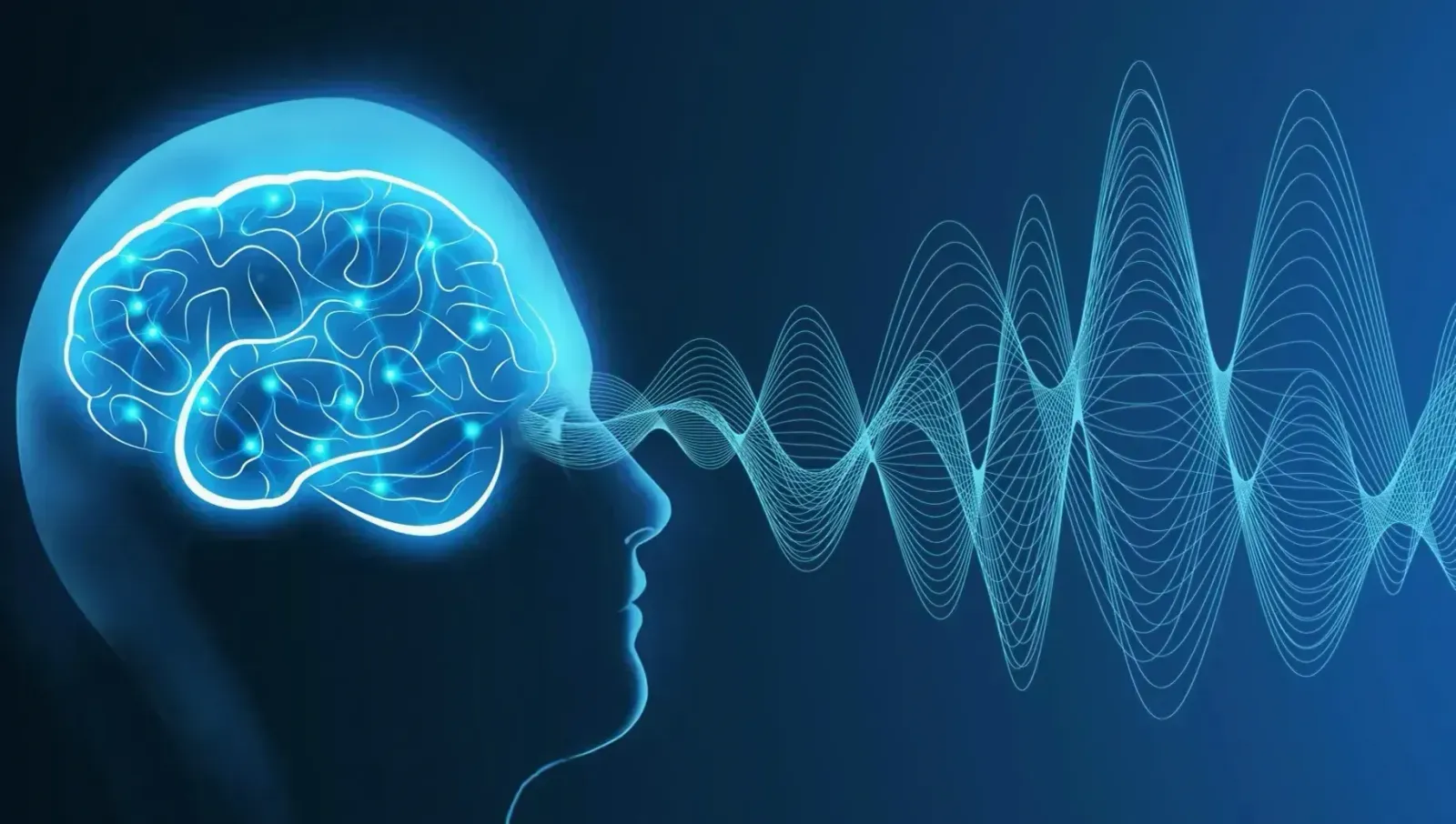
The breakthrough involves the strategic use of pink noise, a balanced frequency similar to the steady hum of distant rainfall. By delivering incredibly brief pulses of this sound—each lasting only 50 milliseconds—at precise moments during deep sleep, scientists were able to amplify the brain’s slow electrical waves. This relationship works much like pushing a child on a swing; if you apply force at exactly the right point in the arc, the movement becomes more dramatic. In this case, stronger electrical signals triggered larger surges of cerebrospinal fluid, effectively boosting the brain’s internal plumbing.
Achieving this required overcoming significant technical hurdles. Because the team needed to monitor electrical activity via EEG while simultaneously filming fluid movement with an MRI scanner, they had to deal with massive magnetic interference. The researchers developed a specialized algorithm capable of filtering out noise and predicting when a brain wave would peak in real time. This allowed them to sync the audio bursts perfectly without waking the fourteen healthy volunteers involved in the study.
While the experiment proved that they could physically increase the flow of fluid, the long term implications are where things get truly exciting. Senior author Laura Lewis and her team believe this technology could eventually be applied to clinical populations to combat neurodegenerative conditions like Alzheimer’s disease, which are characterized by the buildup of damaging proteins such as amyloid beta. If augmenting these nightly waves can more efficiently clear cellular debris, it may open a new door for sharpening memory or slowing cognitive decline in aging patients.
