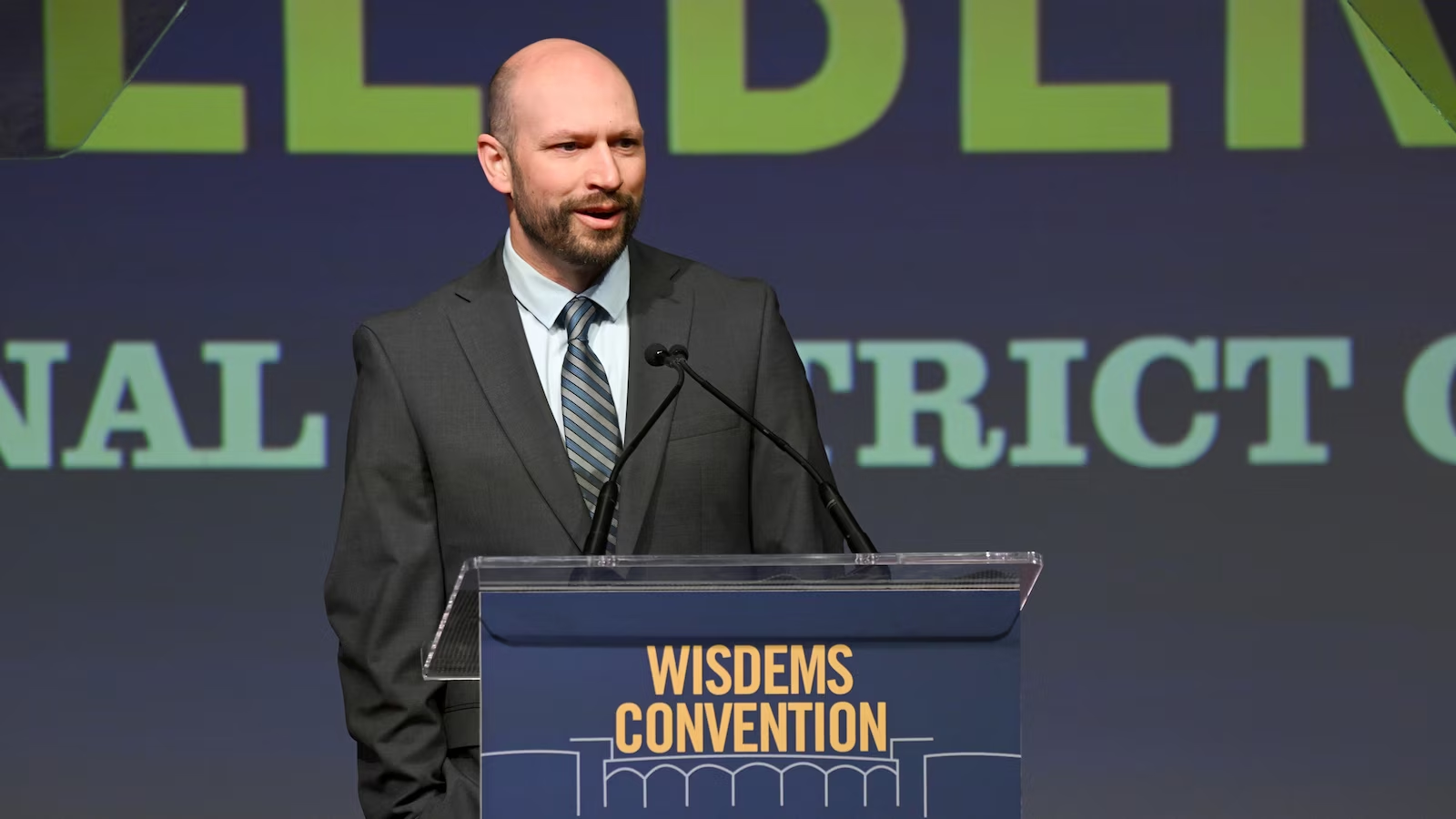
For Mitchell Berman, the frustration of being an emergency room nurse in Wisconsin often peaks long after a patient leaves his sight. While he can treat a broken bone or manage acute pain, he says the real trauma begins weeks later when those same patients receive medical bills they cannot possibly afford. This recurring scene in the clinic has pushed Berman to trade his scrubs for a campaign trail, as he mounts a bid to unseat Republican Representative Bryan Steil in Wisconsin’s First Congressional District.
Berman is part of a growing wave of Democratic medical professionals seeking office, aiming to turn clinical expertise into legislative power. Backed by groups like 314 Action, these candidates are positioning themselves as the necessary antidote to rising healthcare costs and recent public health crises, including measles outbreaks. The strategy seeks to counter the existing influence of the GOP Doctors Caucus, which currently holds a significant numerical advantage in the House. Supporters of this movement believe that 2026 could finally become the year of the doctor, shifting the balance of medical representation in Washington.
A central flashpoint in these races is the fallout from President Trump’s signature tax legislation, which included roughly one trillion dollars in cuts to Medicaid over ten years. For Berman, this isn’t just policy; it is personal. He credits Medicaid with giving his mother eight more years of life, allowing her to attend his wedding and meet his grandchildren. In South Carolina, pediatricians like Dr. Annie Andrews are echoing these concerns, warning that cutting funds from the state’s largest insurer of children would devastate an already fragile system.
Republicans remain steadfast in their defense of these policies, arguing that the measures target waste and fraud rather than essential care. Representative Steil has pointed to increased federal funding flowing into Wisconsin as evidence that current strategies are working, while Senator Darline Graham maintains that her party’s approach provides critical tax relief for working families and supports rural healthcare. As these campaigns intensify, both sides are leveraging their medical credentials—and using increasingly sharp political tactics—to convince voters who are feeling the pinch at the pharmacy and the hospital bedside.
