
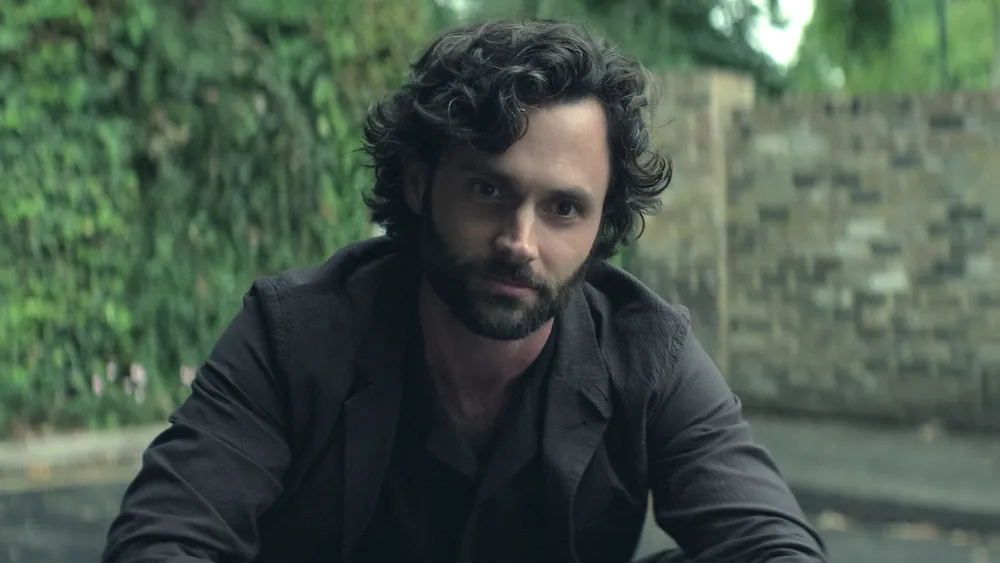
For several years, Penn Badgley has faced a wave of public scrutiny and debate following his decision to phase out sex scenes from his acting roles. The You star first made headlines when he revealed that he requested a significant reduction in intimate footage for the fourth season of the hit series, citing a desire to maintain boundaries within his personal life and marriage. While some praised his stance on autonomy, others criticized him for conflating choreographed movie magic with actual infidelity, arguing that modern intimacy coordinators make such scenes safe and professional.
However, the discourse often shifted away from Badgley himself and toward his wife, Domino Kirke-Badgley. For a long time, corners of the internet claimed that she was the one forcing her husband to abandon these scenes against his will. Taking to Instagram recently to clear the air, Kirke-Badgley pushed back against those narratives, explaining that the choice was entirely Penn’s and rooted deeply in his own mental health. She noted that having worked in the industry since age twelve, Badgley had spent decades feeling like a puppet to studio expectations and finally reached a point where he needed to reclaim his agency.
Kirke-Badgley described the move as essential relational hygiene and expressed pride in her husband for taking a stand despite the potential risks to his career. Interestingly, she revealed that she was actually the one who encouraged him to take the role of Joe Goldberg in the first place, even knowing it involved plenty of steamy sequences. By stepping back from those requirements now, she believes he is prioritizing his well-being over an outdated Hollywood culture that often blurs lines between professional duty and personal comfort.
Badgley has echoed these sentiments in previous interviews, admitting that while he feared setting such strict boundaries might limit his future opportunities, he found relief when showrunner Sera Gamble responded with acceptance. He clarified later that his concerns weren’t necessarily about the finished product seen by audiences, but rather about a historical culture of exploitation within production environments. As he moves forward with new projects like You Deserve Each Other, it seems Badgley is content letting the world see him on his own terms.
