
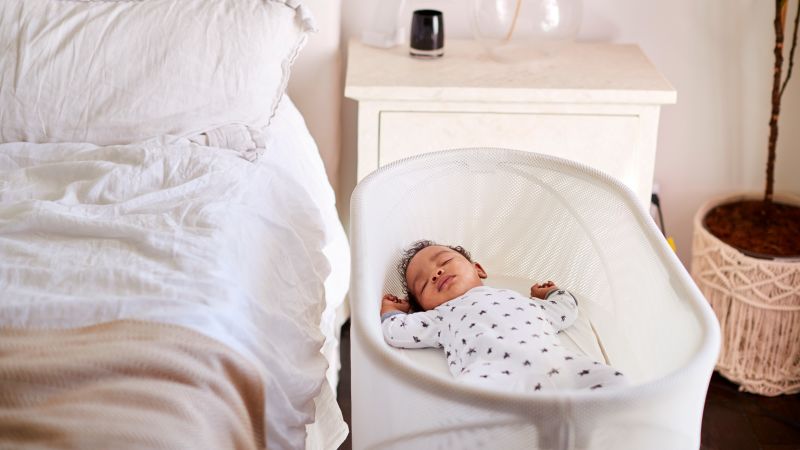
A sobering new report from the Centers for Disease Control and Prevention reveals that nearly three quarters of sudden unexpected infant deaths in the United States involve unsafe sleep environments. Analyzing thousands of cases between 2020 and 2024, researchers found that roughly 73 percent of these tragedies featured risk factors that could potentially be avoided. The findings highlight a persistent public health crisis, noting that approximately 3,400 babies died under these circumstances in 2024 alone.
The data paints a clear picture of the most common hazards, with soft bedding appearing in 78 percent of the examined cases. Many infants were found sleeping on surfaces other than approved cribs or bassinets, while nearly 60 percent shared a sleep surface with another person or pet. Additionally, almost half of the infants were discovered sleeping on their stomachs or sides rather than their backs. Experts point out that young infants lack the physical strength to move their heads if their breathing is obstructed by a pillow or if an adult accidentally rolls over them.
Dr. Leana Wen, an emergency physician and former health commissioner, emphasizes that creating a safe sleep space is straightforward but requires consistency across all care settings. According to guidelines from the American Academy of Pediatrics, babies should always be placed on their backs to sleep on a firm, flat surface free of blankets, quilts, or bumper pads. While room sharing is encouraged for at least the first six months to aid in feeding and comfort, bed sharing is strongly discouraged due to the high risk of suffocation or entrapment between mattresses and walls.
Beyond the immediate sleep environment, the CDC highlighted significant racial disparities in these statistics, noting that Black and American Indian or Alaska Native infants are disproportionately affected. Officials suggest these gaps often stem from complex issues regarding access to necessary resources. To further lower risks, medical professionals advise against nicotine use during pregnancy and strict avoidance of secondhand smoke around newborns. Ensuring every caregiver, from grandparents to babysitters, follows identical safety protocols is seen as critical to preventing future losses.
