
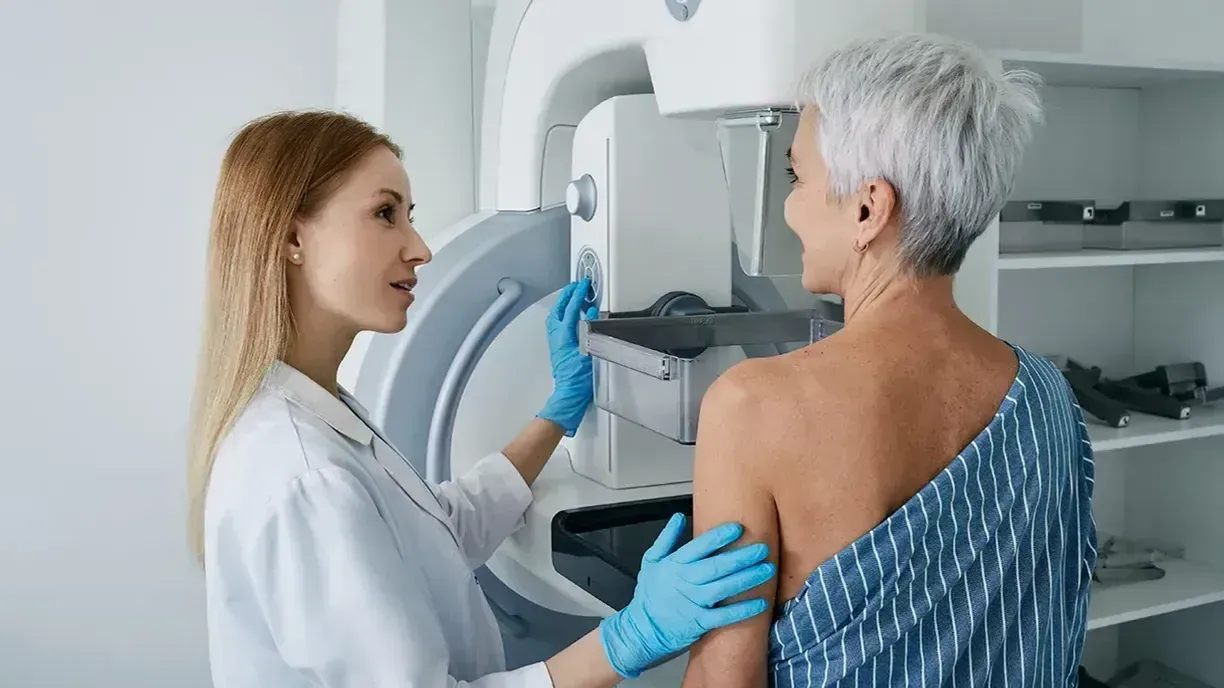
Medical researchers are finding new ways to spot the warning signs of breast cancer long before a tumor ever appears. A recent study published in the American Journal of Roentgenology reveals that an artificial intelligence tool developed at NYU Langone Health can analyze patterns in breast tissue to estimate a woman’s risk of developing the disease within five years. Unlike traditional screenings that focus on a single snapshot in time, this AI examines multiple years of 3D mammograms to track subtle changes that might escape the human eye.
This technological leap addresses a common tragedy in oncology where patients are blindsided by a diagnosis despite having no family history or known genetic mutations. Connie Lehman, a radiology professor at Harvard Medical School, notes that these tools can uncover hidden clues within the tissue itself. By shifting the perspective from current detection to future prediction, doctors may soon be able to create personalized screening schedules tailored to each patient’s specific biological profile.
For women flagged as high risk, this foresight allows for proactive interventions, such as adding MRIs to their routine care. Meanwhile, those categorized as average risk can avoid unnecessary procedures and radiation. Experts emphasize that this process doesn’t even require new scans, as the AI can simply review existing archives of images already stored in medical records.
While the potential is significant, specialists caution that an AI risk score is not a definitive diagnosis but rather a starting point for a conversation between a patient and her doctor. The tool is currently in the research phase and awaits further validation across different hospital systems and equipment manufacturers before it becomes widely available for clinical use. Still, proponents like Dr. Elisa Port suggest that integrating AI into screening could improve overall adherence rates and save lives through earlier intervention.
