
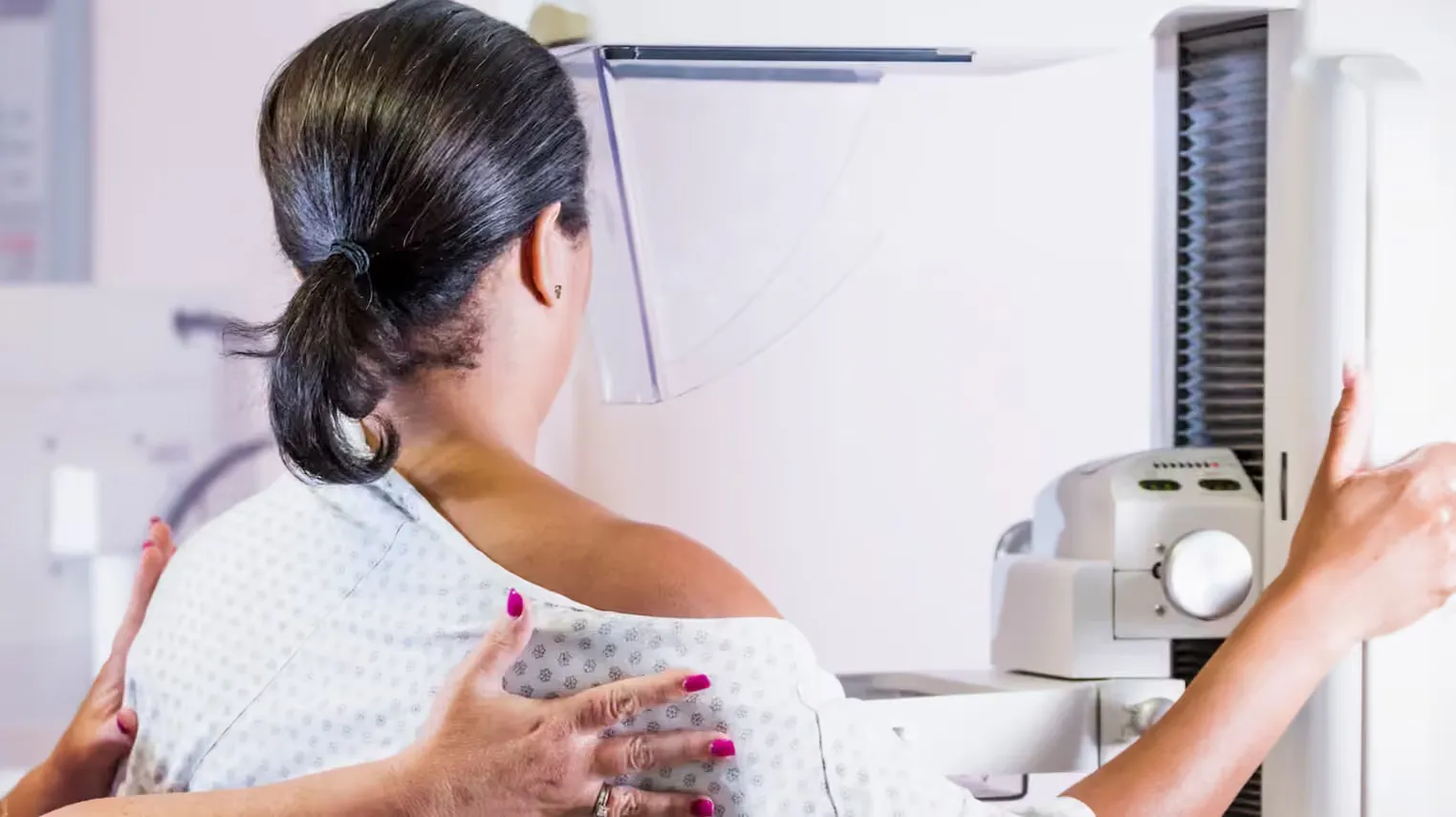
Most people associate breast cancer detection with searching for a physical lump, but medical experts warn that the first red flags often appear on the surface of the skin. Research indicates that up to ten percent of patients are initially diagnosed through skin changes rather than internal masses. These visible warnings can include discoloration, persistent rashes, unusual swelling, or skin that takes on a pitted appearance similar to an orange peel. In some cases, the nipple may even turn inward. While these symptoms can be caused by benign issues, any new or lasting change should be evaluated by a healthcare provider immediately.
This is particularly critical in cases of inflammatory breast cancer, a rare and aggressive form of the disease that accounts for one to five percent of diagnoses. Because this specific type rarely forms a distinct lump, it frequently evades detection during standard mammograms and is often misidentified as a simple breast infection or eczema. Doctors note that patients are sometimes prescribed antibiotics for what seems like an infection; when those medications fail to work, a biopsy is typically performed to uncover the underlying malignancy. This highlights why advocating for oneself regarding mysterious rashes or skin irritation is essential for early intervention.
Beyond initial diagnosis, the journey through cancer treatment brings its own set of dermatological challenges. Nearly ninety four percent of patients experience side effects affecting their skin, hair, or nails. Radiation therapy can leave the skin feeling like it has been severely sunburned, leading to peeling and inflammation. Meanwhile, chemotherapy often triggers hair loss across the scalp and face, a side effect so distressing that some patients consider declining treatment altogether. Specialists suggest using scalp cooling caps during chemo to preserve hair and employing gentle, fragrance-free moisturizers to protect irradiated skin.
To navigate these complexities, physicians recommend integrating a dermatologist into the oncology care team from the very beginning. Having a skin expert involved allows patients to establish a healthy baseline and create a proactive management plan for toxicity side effects before they become severe. Whether it is managing scarring after surgery or treating thinning eyelashes and eyebrows post-therapy, specialized skincare helps patients maintain their sense of identity and comfort throughout their recovery process.
