
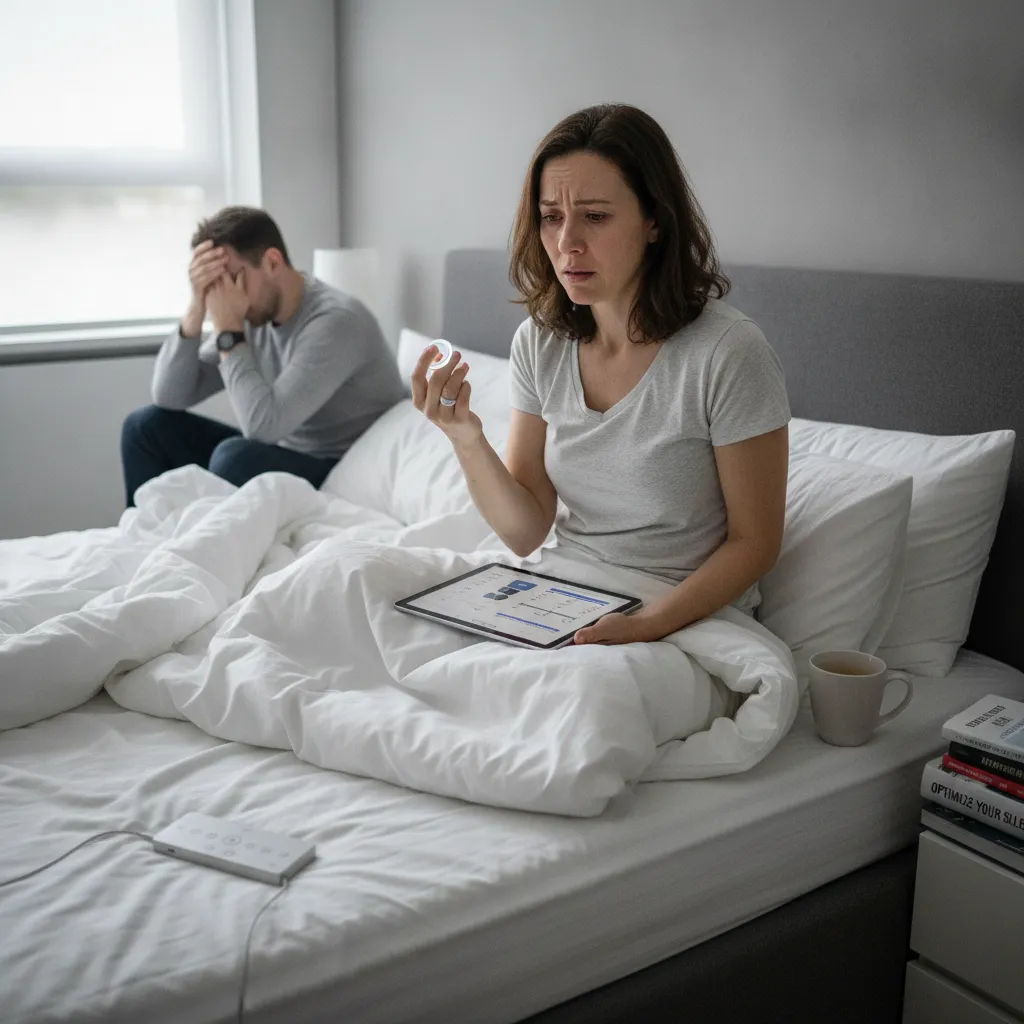
For years, the wellness world has treated sleep as just another metric to be optimized. From high tech rings that track every toss and turn to expensive mattresses tailored to specific sleep styles, the rise of sleepmaxxing has turned a basic biological necessity into a performance sport. However, experts warn that this obsession with perfecting our nocturnal habits may actually be keeping us awake. According to Dr. Amelia Scott, a clinical psychologist and sleep researcher at Macquarie University, sleep is something we must let happen rather than force into existence. By treating rest as a goal to be achieved through rigorous hygiene and gadgets, we create a psychological pressure that triggers anxiety and fuels insomnia.
This culture of measurement often relies on wearable devices that provide daily sleep scores, yet research suggests these numbers can be misleading. In one study, scientists found that simply manipulating the feedback participants saw upon waking significantly altered their mood and outlook for the day, regardless of how they actually slept. This indicates that we are outsourcing our bodily intuition to machines that may not truly understand our needs. When we wake up and see a low score on an app, we begin the day feeling defeated or exhausted before we have even stepped out of bed, creating a cycle where the pursuit of health actually diminishes our well-being.
Beyond technology, social media has popularized various chemical shortcuts like magnesium supplements or tart cherry juice as silver bullets for restlessness. Yet scientific data shows little difference between these trendy remedies and placebos for the average person. The reality is that there is no universal gold standard for rest; while seven or eight hours is often cited sebagai the target, individual needs vary wildly based on internal clocks and genetics. Trying to fit oneself into a rigid mold of perfection only increases frustration when the body refuses to comply on command.
To break free from the trap of optimization, researchers suggest shifting the focus away from control and toward consistency. Instead of obsessing over precise data or complex rituals involving heat masks and guided meditations, the key lies in regularity—maintaining steady wake and sleep times—and efficiency, ensuring you aren’t spending unnecessary hours lying awake in bed. Ultimately, once a basic rhythm is established, the best strategy is to step back and trust your body’s innate ability to regulate itself without interference from an algorithm.
