
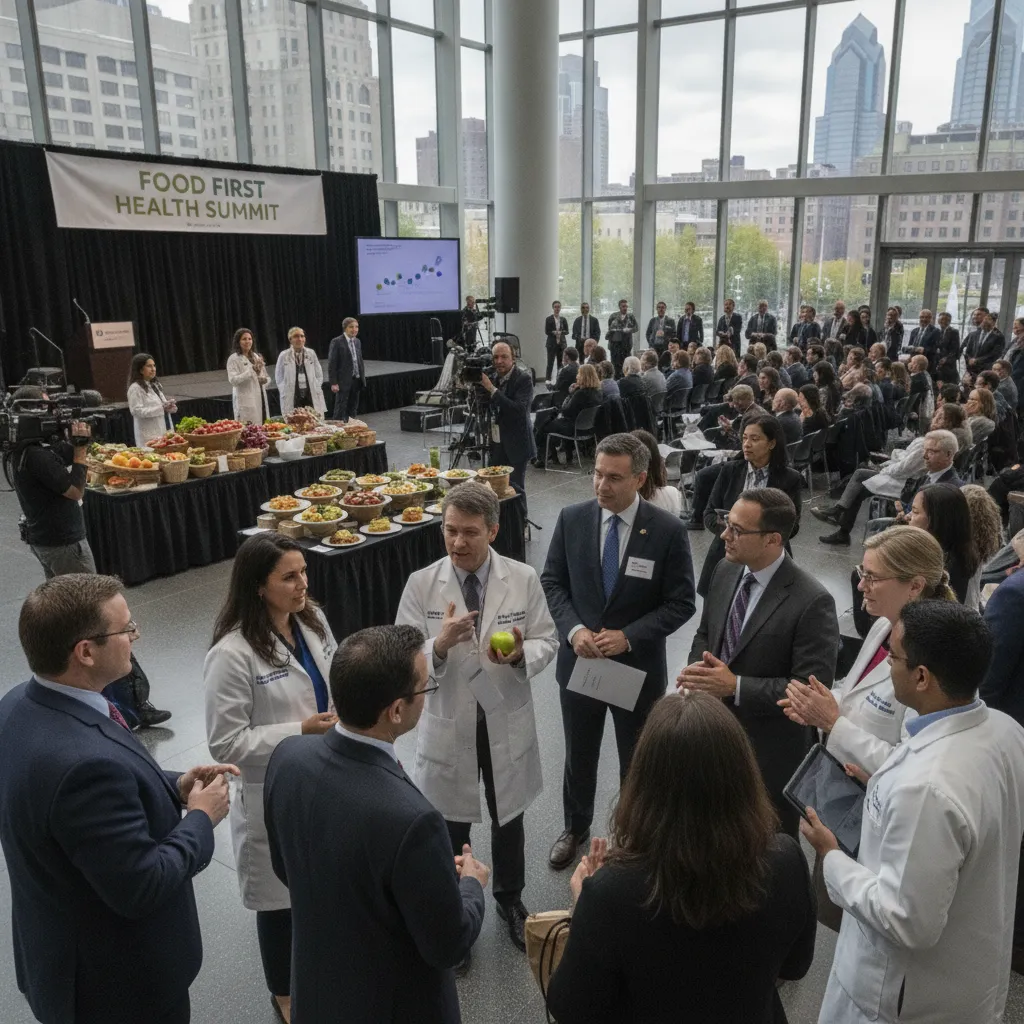
For years, the phrase food is medicine has been treated as a simple platitude, but a burgeoning movement in Philadelphia is attempting to turn that sentiment into a scalable public health strategy. On Tuesday, October 27, the city will host the Food First Health Summit at the WHYY NPR Studios’ Dorrance H. Hamilton Public Media Commons. The event aims to bridge the gap between clinical healthcare and nutritional security, bringing together a diverse coalition of policymakers, medical practitioners, and community organizers to discuss how prioritizing diet can fundamentally reshape societal well being.
The summit arrives at a critical moment as Mike Cangi, founder and CEO of FareRx, prepares to launch the Philadelphia Food Is Medicine Coalition. By consolidating the efforts of various local stakeholders under one umbrella, the initiative seeks to create a unified platform for innovation in areas like produce prescriptions and medically tailored meals. These aren’t just lifestyle changes; they are clinical interventions with significant economic implications. Research from the Food is Medicine Institute at Tufts University suggests that medically tailored meals alone could generate roughly 23.7 billion dollars in healthcare cost savings across the United States.
The gathering will feature an expansive roster of voices ranging from U.S. Representatives Madeleine Dean and Mary Gay Scanlon to local advocates like rapper Freeway and representatives from organizations such as Philabundance and FarmerJawn. According to David B. Sarwer of Temple University’s College of Public Health, Philadelphia’s rich and diverse food culture makes it the ideal testing ground for these strategies. The goal is to integrate everything from high level legislation to grassroots food rescue operations conducted by youth led groups like Sharing Excess into a singular vision for urban health.
While the physical event takes place in Philadelphia starting at 2:00 PM ET, organizers are opening the conversation to a global audience via a livestream on FoodTank.com. By treating nutrition as a primary pillar of healthcare rather than an afterthought, proponents believe they can demonstrate a sustainable model for other cities to follow, proving that when food is put first, both individual patients and broader public budgets stand to benefit significantly.
