
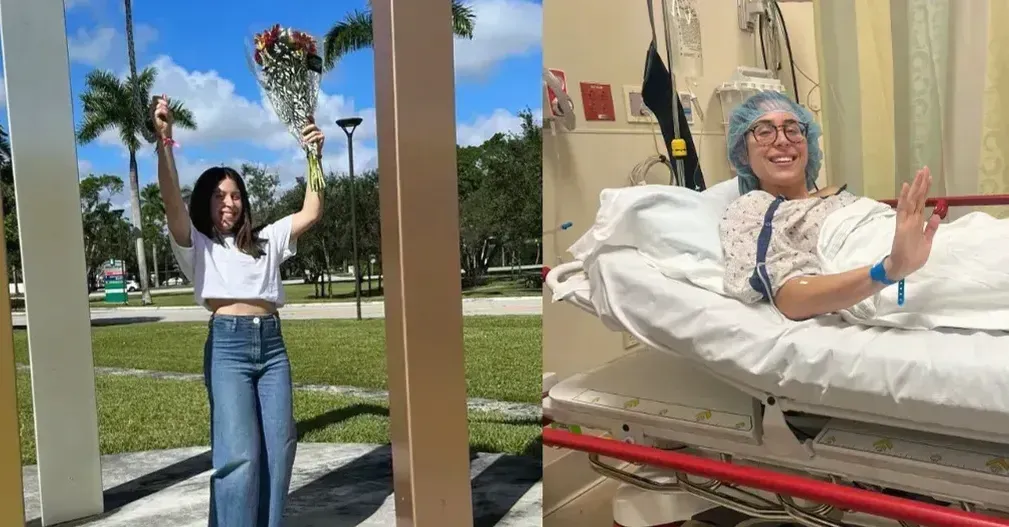
Andrea de Armas was twenty six years old and preparing to enter a demanding physician assistant program when she discovered a lump in her breast. Despite having no family history of the disease, she sought medical attention, only to find herself in a waiting room full of older patients and facing a technician who seemed baffled by her presence. De Armas recalls feeling belittled and dismissed, noting that the staff gave off a vibe that questioned why she was even there. That initial encounter left her feeling uncomfortable and unheard, creating a tension that lasted throughout the visit.
The atmosphere shifted abruptly once a radiologist reviewed the scans and ordered an immediate biopsy. Just four days later, on the eve of starting her medical training, De Armas received the devastating news that the mass was malignant. While breast cancer in women in their twenties is rare, experts note that these cases often involve more aggressive tumors and are frequently diagnosed at later stages. Dr. Mary Gemignani of NYU Langone explains that young women often face systemic dismissal because providers assume they are simply too young for such a diagnosis.
Determined not to let the illness derail her ambitions, De Armas coordinated a grueling schedule that balanced chemotherapy with classroom hours. She would undergo treatment at dawn before heading to school for the remainder of the day, eventually scheduling major surgeries during her winter breaks. Her medical team praised her resilience as she navigated the physical toll of treatment alongside the academic pressures of her degree. Later testing revealed a genetic mutation that explained her risk, providing both personal clarity and vital information for her family members to seek their own screenings.
Now thirty years old and cancer free, De Armas has successfully transitioned into her career as a physician assistant. Though she still manages some long term side effects from hormone therapy, including temporary menopause and early fertility decisions, she views her journey as a lesson in self advocacy. By sharing her story, she hopes to encourage other young women to trust their intuition and persist in seeking answers from healthcare providers, regardless of how unlikely their symptoms may seem given their age.
