
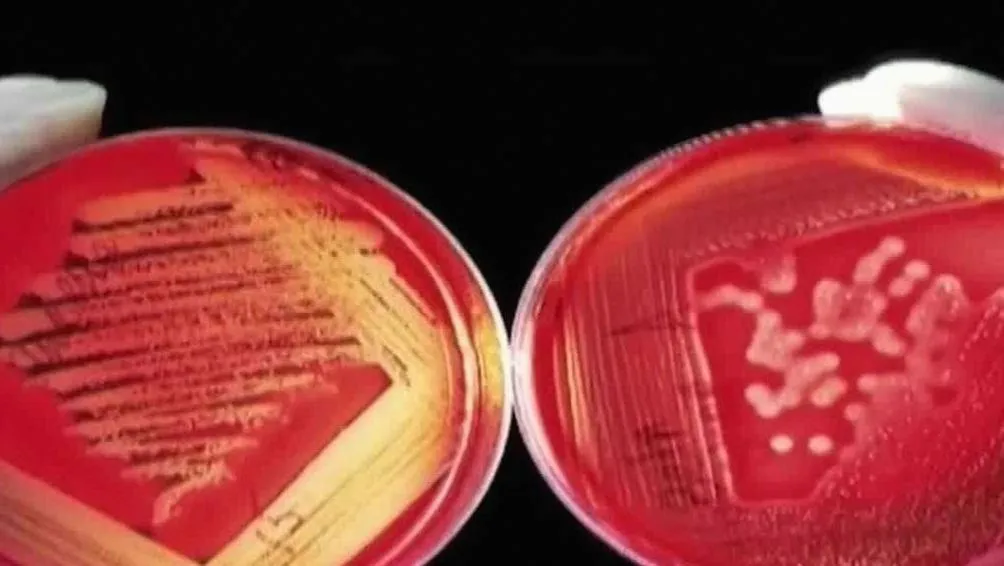
Health officials in Bernalillo County are sounding the alarm following a spike in shigellosis cases, a highly infectious bacterial illness that has primarily impacted individuals experiencing homelessness. According to the New Mexico Department of Health, there have been 102 cases linked to an ongoing outbreak since March 2025. State epidemiologists warn that the bacteria is particularly dangerous because it requires a very low dose to trigger an infection compared to other intestinal diseases, making it easy to transmit in crowded environments.
Those infected often experience a sudden onset of severe watery diarrhea, accompanied by fever, nausea, and abdominal cramps. While most healthy adults recover on their own within a week, high risk groups such as young children, seniors, and immunocompromised individuals may require medical intervention with antibiotics. A significant concern for health providers is that survivors can continue to shed the bacteria in their stool for several weeks after their symptoms disappear, potentially fueling further transmission.
The disease spreads via fecal oral contact, often when contaminated hands touch surfaces like doorknobs or when people inadvertently touch their mouths. Sarah Shrum Davis of the New Mexico Department of Health emphasizes that thorough handwashing and letting disinfectants sit on surfaces rather than wiping them away immediately are the best lines of defense. These habits not only combat shigella but also protect against seasonal threats like the flu and COVID 19.
In response to the cluster of cases, state officials are collaborating with local shelter networks and Albuquerque Health Care for the Homeless to provide education and medical support. Because congregate living settings often lack adequate sanitation and isolation spaces, these organizations are focusing on street medicine and clinic outreach to identify symptoms early. This follows a larger outbreak between 2021 and 2025 that saw over 300 cases and even affected animals at the ABQ BioPark, though officials note that the current surge remains smaller in scale than that previous event.
