
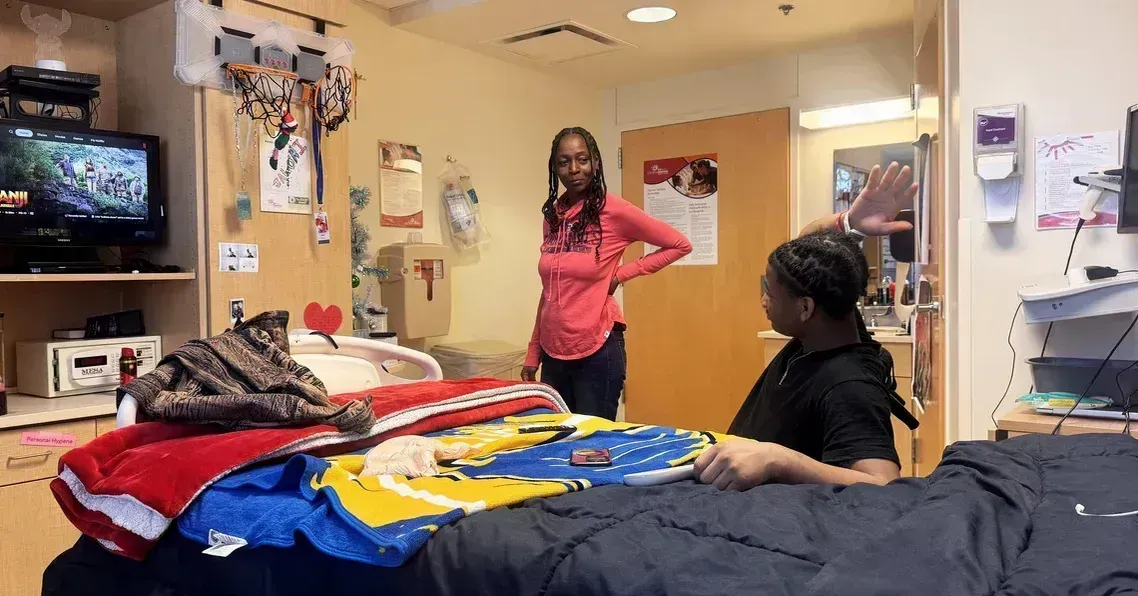
For Jaloni, the sterile environment of SSM Health Cardinal Glennon Children’s Hospital in St. Louis eventually stopped feeling like a clinic and started feeling like a residence. What began as a desperate fight for survival after being shot at age 14 turned into a three year odyssey spent within hospital walls. Over several different admissions, the now 18 year old spent more than 475 days in the facility, far exceeding the time required for his actual medical treatment. For many of those days, Jaloni stayed not because he was still critically ill, but because there was simply nowhere else for him to go.
His journey highlights a systemic crisis known as social stays or hospital boarding, where children remain in medical facilities long after their clinical needs are met. This happens when there is a critical shortage of foster homes or specialized residential centers capable of handling youth with complex trauma or physical disabilities. In Missouri alone, state records indicate tens of millions of dollars have been spent boarding children in hospitals, though industry representatives argue these figures vastly undercount the true scale of the problem and the financial burden placed on healthcare systems.
Jaloni’s situation was compounded by deep family tragedy and poverty. Having already lost siblings and cousins to gun violence, he entered the hospital fighting both bullet wounds and a spinal cord injury that left him dependent on a wheelchair. When he was first discharged, his mother and grandmother attempted to provide care at home, but they were overwhelmed. With his grandmother also using a wheelchair and his mother working as a caregiver for others, the grueling demands of preventing bedsores and managing infections proved impossible.
When Jaloni inevitably returned to the hospital in poor condition, the resulting accusations of neglect led to him becoming a ward of the state. Caught in a bureaucratic limbo between Illinois and Missouri and unwilling to be sent hundreds of miles away to Chicago, Jaloni remained in his hospital room while adults debated his future. While clinicians focused on his physical recovery, Jaloni existed in a heartbreaking middle ground where medicine could heal his wounds but could not provide him with a front door to call his own.
