
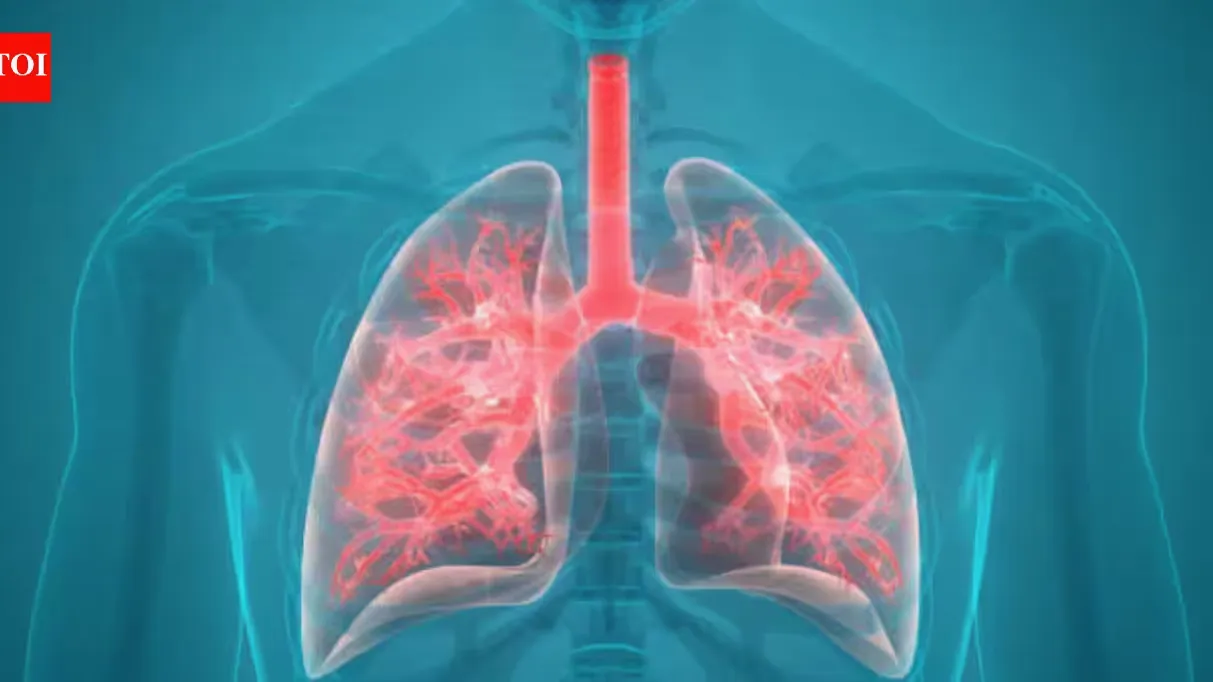
Lung cancer has solidified its position as the most frequently diagnosed malignancy and the primary cause of cancer deaths across the globe. Recent data indicates that approximately 2.6 million new cases emerged in 2024 alone, accounting for nearly thirteen percent of all cancer diagnoses. According to Dr. Kalyani Premchandra, a medical oncologist at Apollo Hospitals in Bengaluru, this prevalence is driven by a complex interplay of behavioral choices and environmental hazards that trigger rapid, abnormal cell growth within the respiratory system.
While tobacco use remains the most significant driver of the disease, experts emphasize that lung cancer is not exclusive to smokers. In fact, between fifteen and twenty five percent of patients have never smoked, highlighting the danger of invisible threats. Among these are air pollution and radon, a colorless and odorless radioactive gas that seeps into buildings through soil and rock. Occupational hazards also play a critical role, as prolonged exposure to asbestos, silica, and various industrial fumes can severely compromise lung health over time if proper protective gear is not utilized.
Reducing personal risk requires a multifaceted approach centered on avoidance and vigilance. Beyond quitting smoking or avoiding secondhand smoke entirely, individuals are encouraged to monitor local air quality reports and improve home ventilation during periods of high pollution. For those working in industrial settings, adhering strictly to safety protocols is essential. Additionally, testing living spaces for radon buildup can mitigate one of the leading causes of cancer in non smokers.
Early detection remains challenging because the disease often develops silently without obvious warning signs for years. However, physicians warn against ignoring persistent symptoms such as a lingering cough, coughing up blood, unexplained weight loss, or chronic shortness of breath. While maintaining a healthy diet and an active lifestyle supports overall well being, targeted screenings like low dose CT scans may be recommended for high risk individuals to catch potential issues before they progress.
