
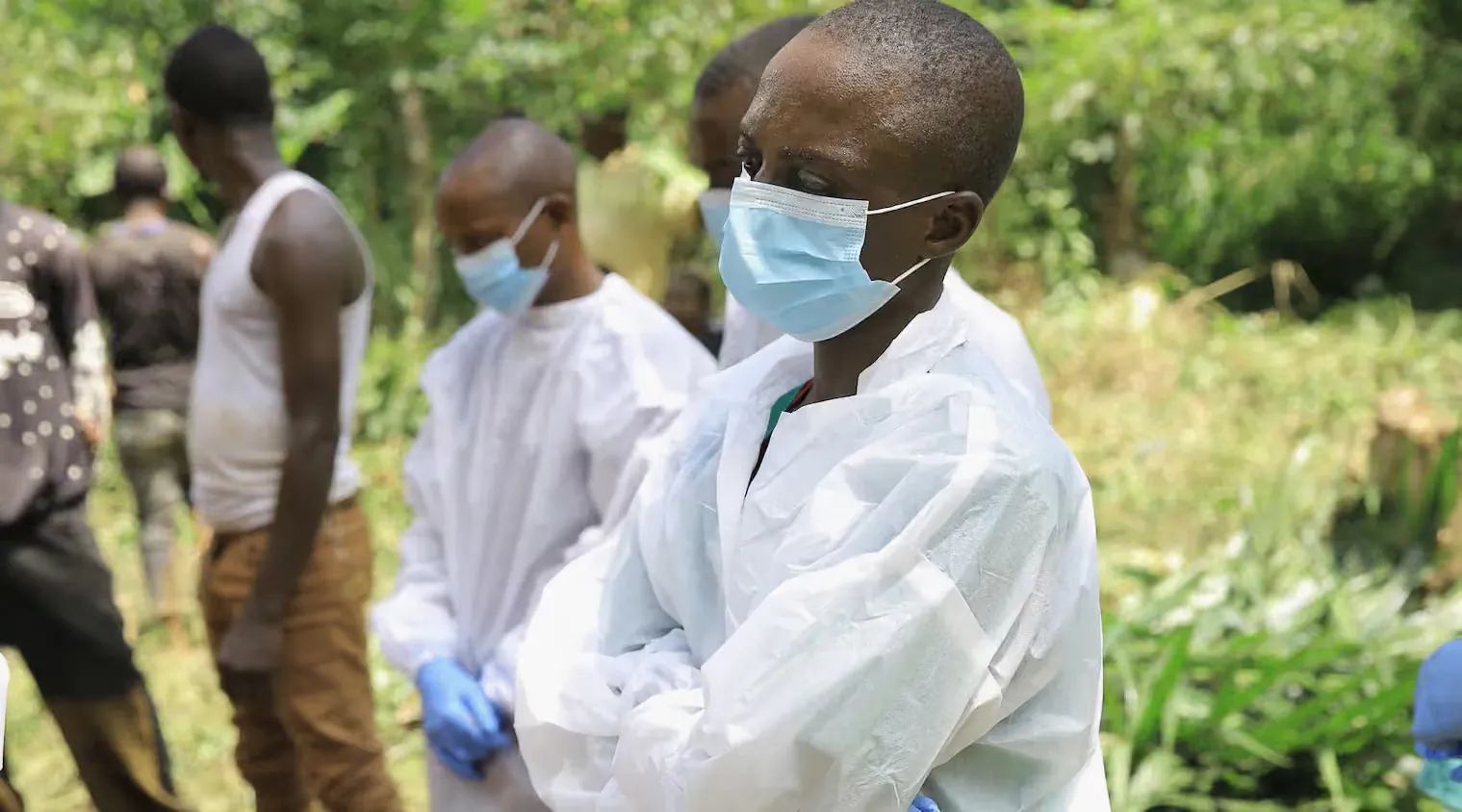
A devastating convergence of war and disease is unfolding in eastern Congo, where an Ebola outbreak has surged past 12,000 confirmed cases. According to recent government data, this current crisis has become the fastest growing Ebola epidemic in recorded history, claiming the lives of nearly half those infected. Health officials warn that the death toll is on track to eclipse even the catastrophic West African outbreak seen between 2014 and 2016, marking this as the deadliest instance of the virus ever witnessed within Congolese borders.
The situation is further complicated by the fact that this specific strain, known as the Bundibugyo virus, currently lacks any approved vaccines or medical treatments. Medical teams are attempting to implement critical containment measures like patient isolation and safe burials, but their progress is being systematically dismantled by a volatile environment. Beyond the lack of medicine, responders are facing crumbling infrastructure and deep seated mistrust among local populations, often fueled by widespread misinformation about the nature of the disease.
Adding to the tragedy is a brutal escalation of violence between the national army and rebel forces led by former warlord Thomas Lubanga. Recent clashes in mining towns near Bunia have sent thousands of displaced civilians fleeing into urban hubs, potentially accelerating the spread of a virus that relies on close physical contact. This instability has turned healthcare facilities into battle zones rather than sanctuaries for healing.
The danger to aid workers has reached a breaking point, leading to emergency evacuations of essential staff. Dr. Catherine Smallwood of the World Health Organization reported that several personnel were recently forced to flee a hospital in Akwe after being trapped for three days amidst heavy gunfire. As combat continues to disrupt patient monitoring and strip treatment centers of their staffing, the window to contain this historic health catastrophe is closing rapidly under the shadow of war.
