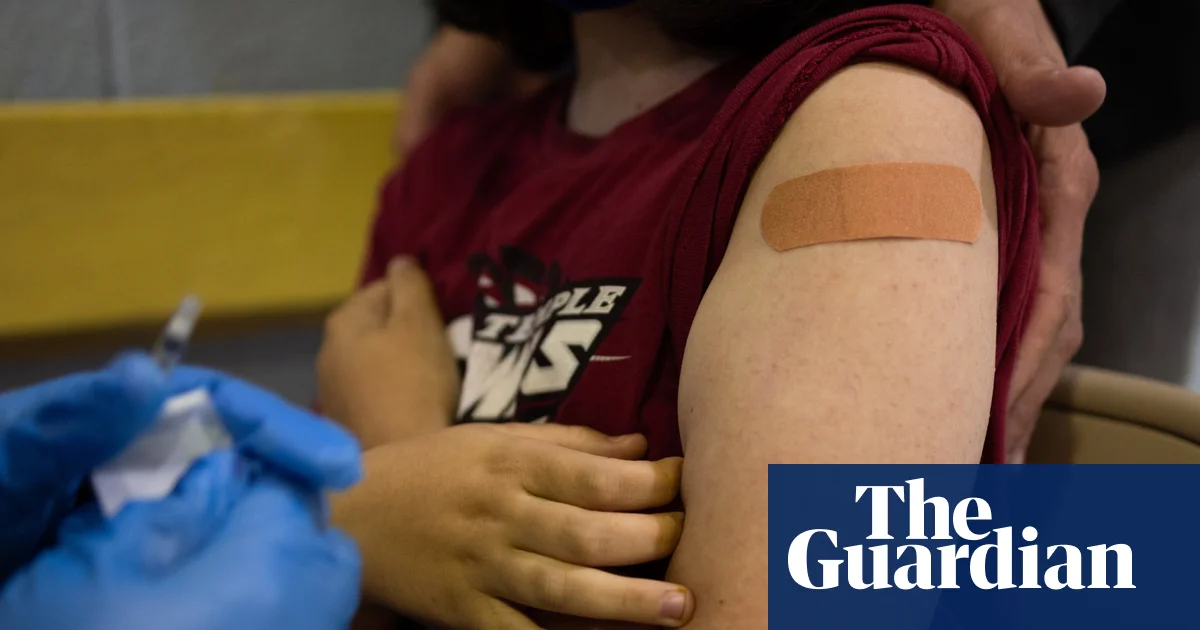
The Trump administration is facing mounting criticism after withholding Covid vaccines for children across eleven states and one U.S. territory, leaving millions of young people without access to critical protections during a current wave of infections. By refusing to provide the updated shots through the federal Vaccines for Children program, officials have effectively blocked access for more than half of the nation’s youth, specifically targeting those who are uninsured, underinsured, or eligible for Medicaid. In several states that rely on universal purchasing systems to ensure every child is covered regardless of income, the impact is total, creating a systemic gap in public health coverage.
Public health experts warn that this move is not an isolated administrative delay but rather part of a broader strategy to erode vaccine accessibility nationwide. Daniel Jernigan, a former director at the CDC, suggests that the administration may be testing its ability to halt other essential immunizations within federal programs. He describes the approach as death by a thousand cuts, arguing that officials are utilizing every available bureaucratic lever to make vaccination increasingly difficult for the general public. This concern extends beyond Covid shots to other routine vaccinations that have recently seen shifts in how they are administered and recommended.
While HHS spokesperson Emily Hilliard stated that the agency is still finalizing procurement decisions and argued against treating specific dates as hard deadlines, critics point out that previous vaccine stocks have already expired. This leaves infants and high risk groups particularly vulnerable, noting that infants often face hospitalization rates comparable to the elderly when infected with the virus. Experts argue that failing to distribute the most effective updated vaccines constitutes a dereliction of duty toward those most susceptible to severe illness.
Despite these gaps in access, HHS Secretary Robert F Kennedy Jr has maintained that his office has preserved vaccine access and has not removed options from any citizens. However, these claims stand in direct contradiction to reports from universal purchase states where providers simply cannot order the necessary supplies. As public confidence in immunization continues to fluctuate amidst ongoing political debate and misinformation campaigns, healthcare advocates fear that these targeted restrictions set a dangerous precedent for childhood healthcare in America.
