
Walking down a supermarket aisle today feels like reading a series of promises. From low sodium and organic tags to immunity support and high fiber claims, food packaging is designed to reassure shoppers that they are making the right choice for their health. However, a massive new analysis conducted by researchers at Cornell University suggests that these reassurances are often misleading. By examining nearly 150,000 products launched in the U.S. over the last decade, professors Miguel Gomez and Pei Zhou discovered that items bearing health claims are not consistently healthier than those without them; in many cases, they are actually less nutritious.
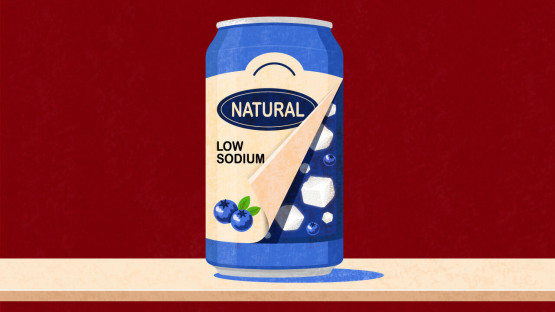
The problem often stems from what researchers call nutritional trade-offs hidden in the fine print. When a manufacturer reduces one unhealthy ingredient to earn a specific label, they frequently compensate by adding something else to maintain taste or texture. For example, a soda marketed as reduced sodium might contain significantly more sugar, while a meal claiming to have no trans fats may lean more heavily on saturated fats and salt. While these individual claims are technically accurate under current laws, the overall nutritional profile of the product does not necessarily improve and can sometimes worsen.
This discrepancy is particularly evident in beverages, where claims like sugar free or low saturated fat diverged most sharply from actual nutritional quality. Beyond specific nutrients, the study highlighted the danger of the halo effect associated with terms like natural, organic, or non GMO. Because these terms aren’t strictly regulated as nutrition claims regarding sugar or fat content, consumers often mistakenly use them as shorthand for healthy. This creates a psychological loophole where a product appears virtuous despite containing levels of additives that would otherwise alarm a shopper.
Because companies are only required to be accurate about the specific attribute they mention rather than the product’s total health impact, this gap continues to pose a challenge for public health. Researchers suggest moving toward broader nutrient profiling systems similar to those used in Chile or Mexico, which employ clear warnings for high salt or sugar content regardless of other positive attributes. Until such systemic changes occur through agencies like the FDA, experts advise consumers to ignore the marketing slogans on the front of the box and rely exclusively on the detailed nutrition facts panel on the back to see the full story.
