
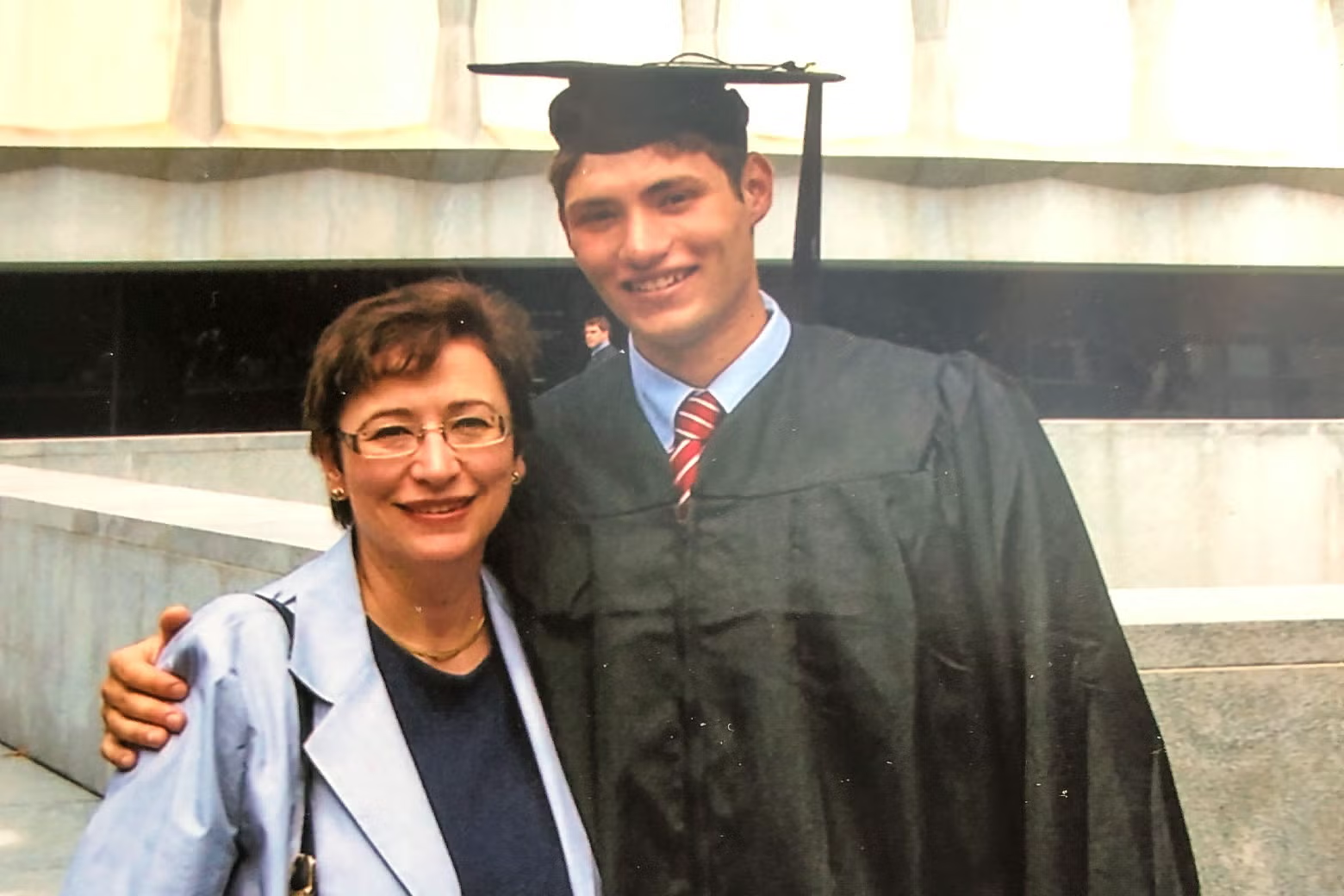
Vince Granata knows the specific, crushing weight of seeing his own family name splashed across front pages beneath words like matricide. Eleven years ago, he sat in a courtroom listening to a prosecutor lay out the grisly details of how his brother, Tim, killed their mother. The evidence was undeniable, yet the central question of the trial wasn’t whether Tim committed the act, but whether he was in control of his own mind. For years leading up to that day, Tim had drifted down a devastating path marked by delusions and antipsychotic breaks, moving from eccentricities in his teens to believing demons stalked his college campus. Despite visits to counselors and brief psychiatric stays, the system failed him, leaving him to retreat behind a locked bedroom door until the inevitable tragedy occurred.
Watching the recent public obsession with the Lindsay Clancy trial has brought those memories rushing back for Granata. He describes a world where strangers debate a defendant’s sanity during fantasy football drafts or over conversations at children’s playgrounds. To the general public, these cases are fascinations or puzzles to be solved before they can finally move on to something else. But for families living with serious mental illness, there is no such thing as moving on. There is only a persistent, quiet horror that exists between these high profile flashpoints, far away from the cameras and courtrooms.
The true tragedy, according to Granata, is not just the crimes themselves but the profound ignorance surrounding treatable illnesses. Long after his mother passed away, he discovered a hidden stash of books under her bed titled Surviving Schizophrenia and guides on helping those who refuse treatment. Reading them revealed everything he hadn’t known while Tim was spiraling: concepts like anosognosia, which prevents a patient from realizing they are sick, and a systemic lack of psychiatric beds and insurance coverage. He realized that telling someone their hallucinations aren’t real is ineffective and that society largely ignores these crises until they turn violent.
Now an author who writes about his brother’s life in hopes of sparing others similar pain, Granata warns against treating mental health awareness as a trend tied to current events. He acknowledges that while trials like Clancy’s bring necessary attention to issues like postpartum psychosis and systemic neglect, that attention almost always drifts once the verdict is read. Until society addresses the failures of care for those who aren’t making headlines—the unhoused children or the delusional parents hiding in isolation—Granata fears we are simply waiting for the next avoidable disaster to strike another unsuspecting family.
