
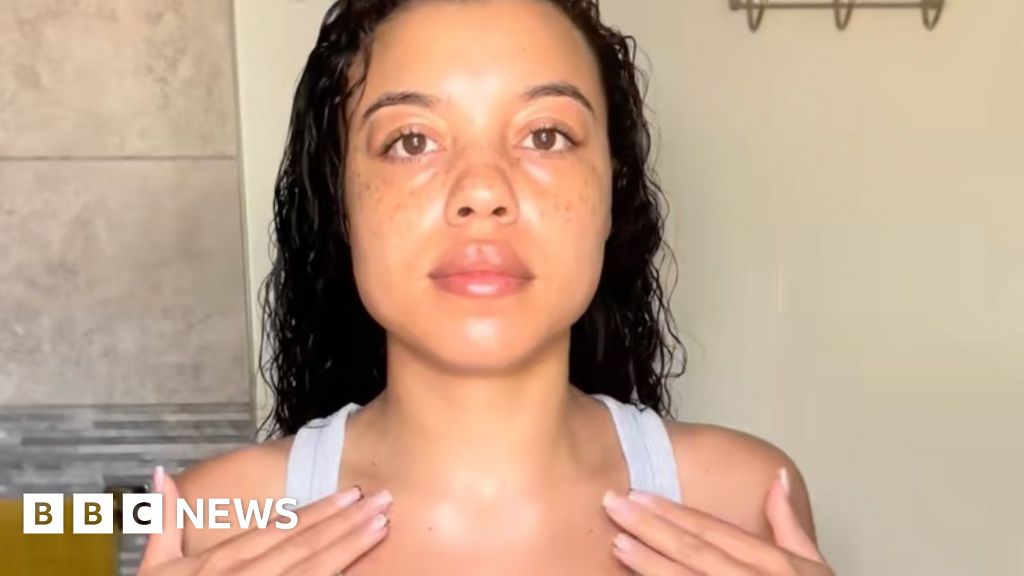
Scroll through TikTok or Instagram lately and you will likely encounter a new kind of beauty ritual taking over feeds. Influencers like Abbey Alexandra share satisfying before and after clips, using body oils and wooden rollers to methodically massage their stomachs in circular motions. The goal is an immediate transformation from a normal, soft midsection to a snatched, sculpted look that followers describe as debloating or depuffing. With celebrity endorsements from names like Hailey Bieber and Maya Jama, these homemade lymphatic drainage routines have transitioned from clinical settings into viral lifestyle trends.
While the results look impressive on screen, experts warn that viewers should take these transformations with a heavy dose of skepticism. Dr. Ella Guest, a health psychologist at the University of the West of England, suggests that many of these dramatic changes are less about biology and more about production. From strategic posing and flattering lighting to digital filters or even AI enhancements, the polished images often align more with unrealistic beauty standards than actual physiological shifts. She reminds audiences that if a result seems too good to be true, it usually is.
From a medical perspective, the lymphatic system is essentially the body’s waste disposal unit, helping to balance fluids and support the immune system. While manual lymphatic drainage is a legitimate tool used by doctors to treat conditions like lymphoedema—often seen in cancer patients—it serves a very different purpose than achieving a flat stomach. Dr. Xand van Tulleken explains that while light pressure can move fluid toward lymph nodes, there is little high quality evidence suggesting these massages offer lasting benefits for healthy people. Crucially, he notes that these techniques do not promote fat loss.
For those without a diagnosed medical condition, the best way to maintain lymphatic health isn’t through expensive rollers or viral tutorials, but through basic habits like staying hydrated and exercising regularly. While users like Alexandra admit the visual effects are temporary and primarily value the relaxation aspect of the routine, psychologists worry that chasing this specific aesthetic fuels insecurity. In an era of curated perfection, specialists emphasize that healthy bodies exist in various shapes and sizes regardless of how much fluid one attempts to drain away for a camera lens.
