
Pennsylvania health officials announced a rise in measles figures this week, reporting seventy four new cases since Monday. While the jump brings the yearly total to one thousand seventy eight, the Department of Health clarified that these numbers do not necessarily signal a sudden spike in active transmissions. More than forty of the newly reported patients fell ill over two weeks ago and are no longer contagious, meaning their diagnoses were simply processed and confirmed later by state labs.
The toll of the outbreak has become increasingly severe, with five deaths recorded so far this year and over two hundred hospitalizations. Among those who lost their lives were two infants too young for immunization and two unvaccinated adults aged eighteen and forty. A fifth death occurred in Lancaster County, which remains the heart of the crisis with four hundred one confirmed cases. Data reveals a stark divide in vulnerability, as less than one percent of all reported cases involved individuals who had received both recommended doses of the MMR vaccine.
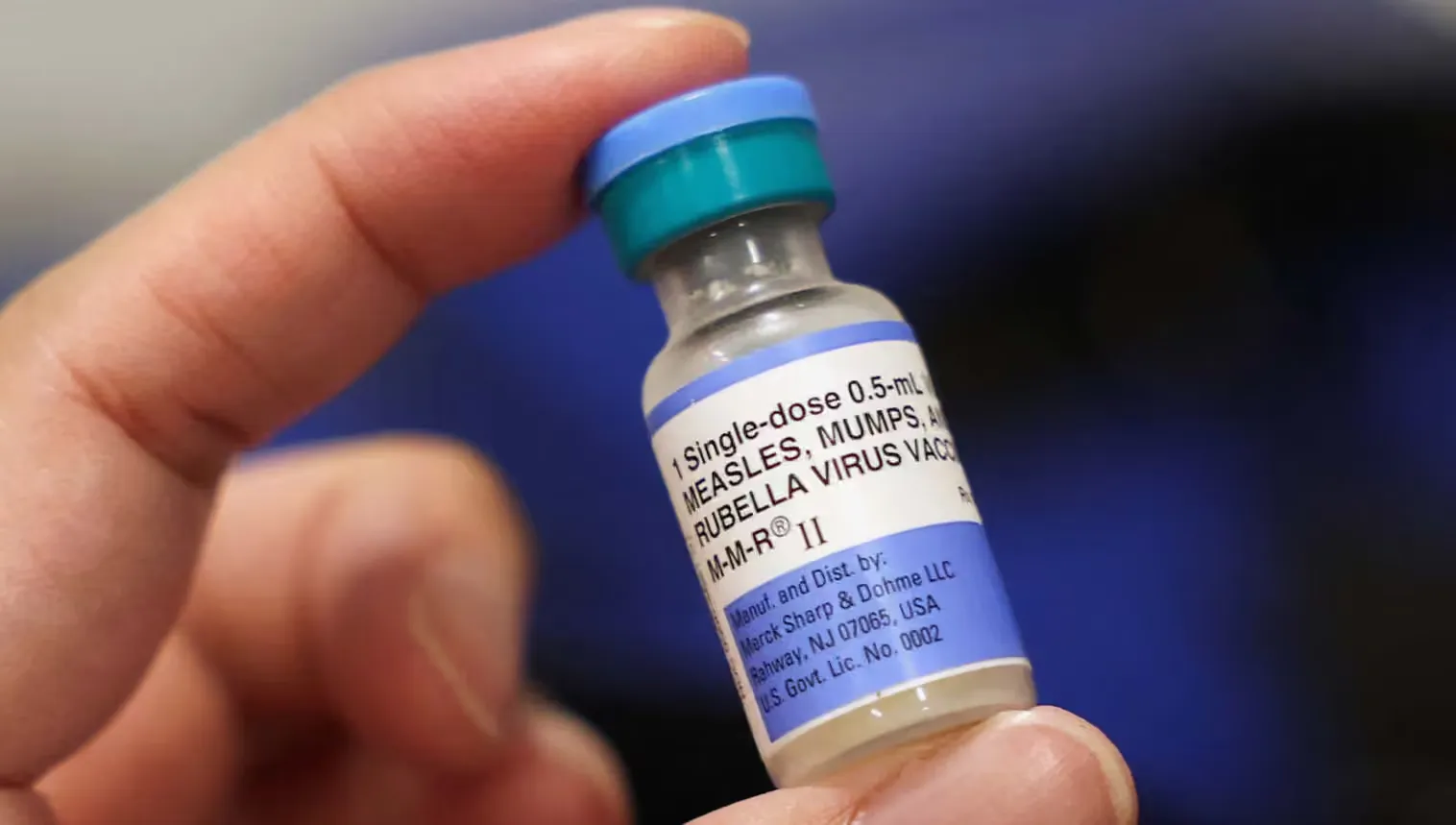
Public health experts point toward a concerning dip in childhood immunization rates following the pandemic. Recent data shows kindergarten vaccination levels dropped from roughly ninety five percent in twenty twenty to just over ninety two percent for the current school year. This gap has left many communities exposed to a virus that is highly preventable through standard medical care. To combat this trend, state workers have launched nearly two hundred pop up clinics since April, delivering thousands of shots to high risk areas.
Looking ahead, health authorities plan to schedule dozens more mobile vaccination sites based on local demand. They continue to urge parents to follow CDC guidelines, which recommend a primary series starting at twelve months followed by a booster before age six. With nearly nine thousand doses already administered statewide this year, officials remain focused on closing immunity gaps to prevent further fatalities and stop the spread within vulnerable populations.
