
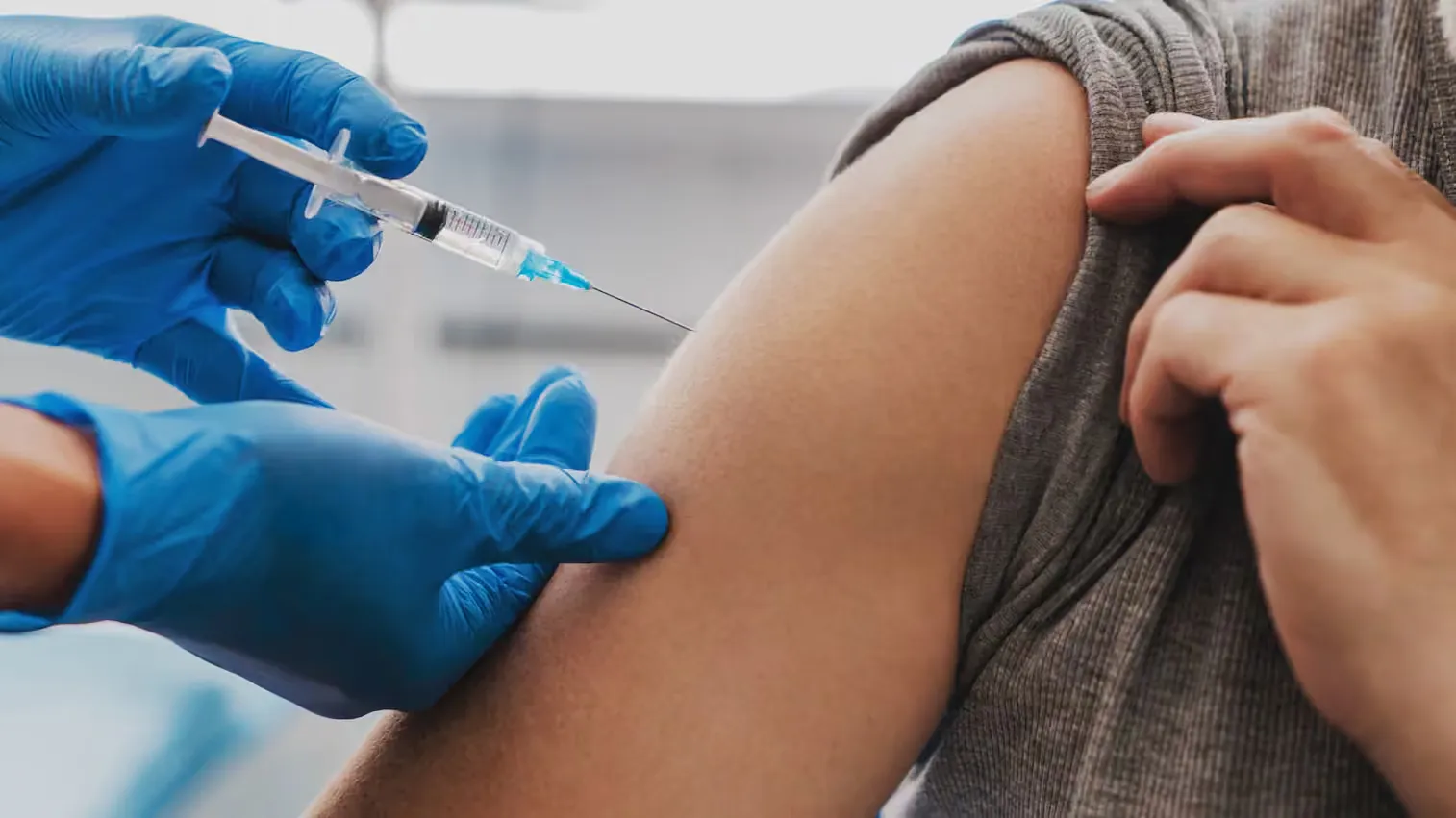
As autumn temperatures drop across the United States, health officials are preparing for another cycle of respiratory infections. The Centers for Disease Control and Prevention expects hospitalizations from influenza, COVID-19, and RSV to mirror the peaks seen last year, prompting medical experts to urge the public to prioritize their vaccinations now. While different viruses require different strategies, physicians emphasize that staying current on immunizations remains the most effective defense against severe illness.
For many, the primary focus is the annual flu shot, which targets three specific strains expected to circulate this season. Doctors recommend that almost everyone six months and older get vaccinated, though special formulations exist for high-risk groups. Older adults may receive high-dose versions for stronger protection, while those avoiding eggs can opt for recombinant options. To clear up common misconceptions, physicians point out that since injectable flu vaccines do not contain live viruses, they cannot cause the flu itself; rather면 any coincidental illness usually stems from being exposed to a virus before the vaccine had time to build immunity.
Simultaneously, updated COVID-19 boosters targeting the XFG Omicron variant are becoming available. These are strongly encouraged for adults and children with underlying health conditions such as diabetes or asthma, as well as all seniors over 65. Patients concerned about multiple appointments will be glad to know that it is perfectly safe to receive both the flu and COVID-19 vaccines during a single clinic visit, though some prefer spacing them a week apart for personal comfort.
Rounding out the preventative lineup is the RSV vaccine, which differs significantly from others because it is not an annual requirement. Currently tailored for those most vulnerable to severe complications—specifically adults 75 and older, certain high-risk adults aged 50 to 74, and pregnant individuals—it offers targeted protection where it is needed most. For infants who missed maternal protection during pregnancy, specialized monoclonal antibody treatments are also available to help bridge the gap during their first critical winter season.
