
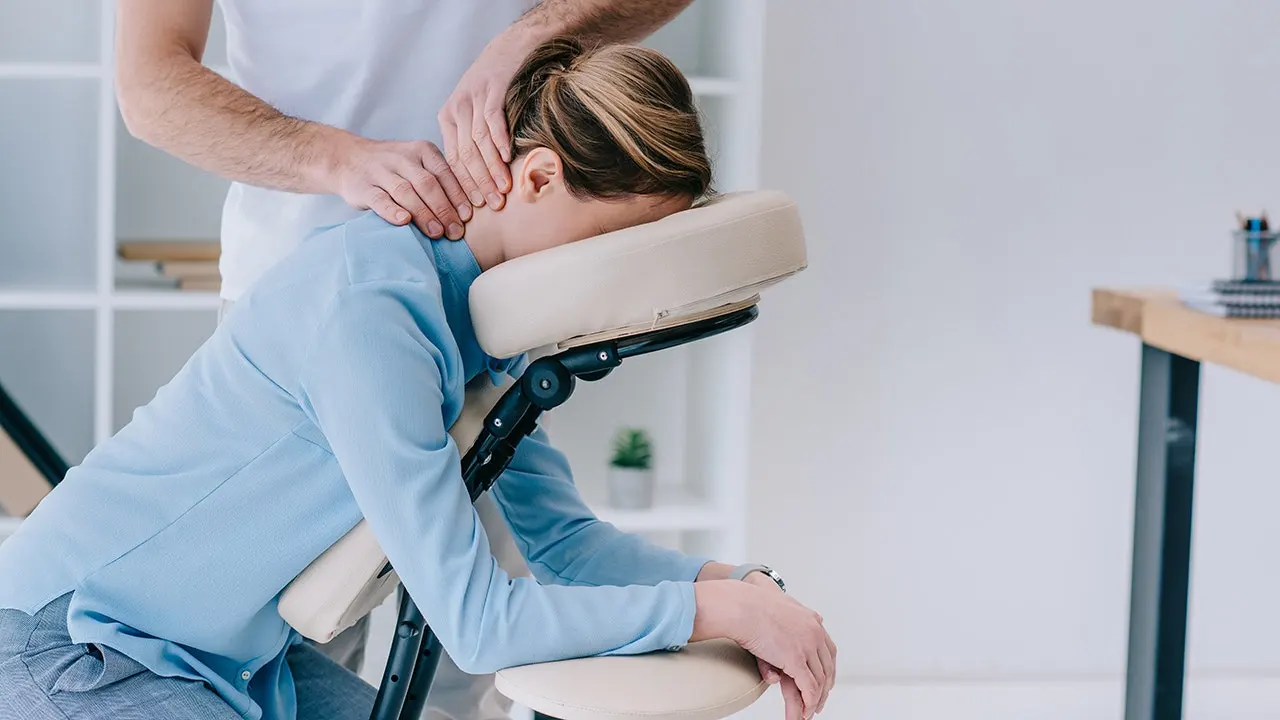
A growing number of wellness enthusiasts are taking to social media to report a strange set of symptoms following their visits to the massage table. Many describe a sudden onset of fatigue, aching joints, and pounding headaches that mimic the early stages of a viral infection. This phenomenon has earned the nickname massage flu across various digital platforms, leading many clients to believe they are falling ill just as they attempt to relax and rejuvenate.
Despite the alarming name, medical professionals insist that there is no such thing as a clinical massage flu. Experts like Seattle based physical therapist W. Zach Smith explain that what people are actually experiencing is likely a combination of deep tissue bruising and a mild inflammatory response. When significant pressure is applied to muscles for an extended period, particularly for those not accustomed to deep tissue work, the body reacts similarly to how it does after an intense workout. Chiropractor Drew Voelsch notes that while the labels used on social media might be exaggerated, the sensations of lethargy and soreness are very real and typically resolve within two days.
One common misconception circulating online is that these symptoms occur because the massage is releasing toxins into the bloodstream. However, health experts are quick to debunk this theory, stating there is absolutely no scientific basis for the claim. They remind the public that waste removal is handled exclusively by the liver and kidneys, not through manual manipulation of the muscles. Headaches specifically can often be triggered when therapists work on sensitive areas around the jaw, scalp, or neck where tension frequently accumulates.
To avoid this post treatment slump, specialists suggest starting with lighter pressure and shorter sessions to let the body acclimate. Staying hydrated and eating a light meal before an appointment can also help mitigate feelings of exhaustion. While general soreness is normal, doctors warn that anyone experiencing high fevers, numbness, or pain that persists beyond three days should seek professional medical attention immediately to rule out more serious issues.
