
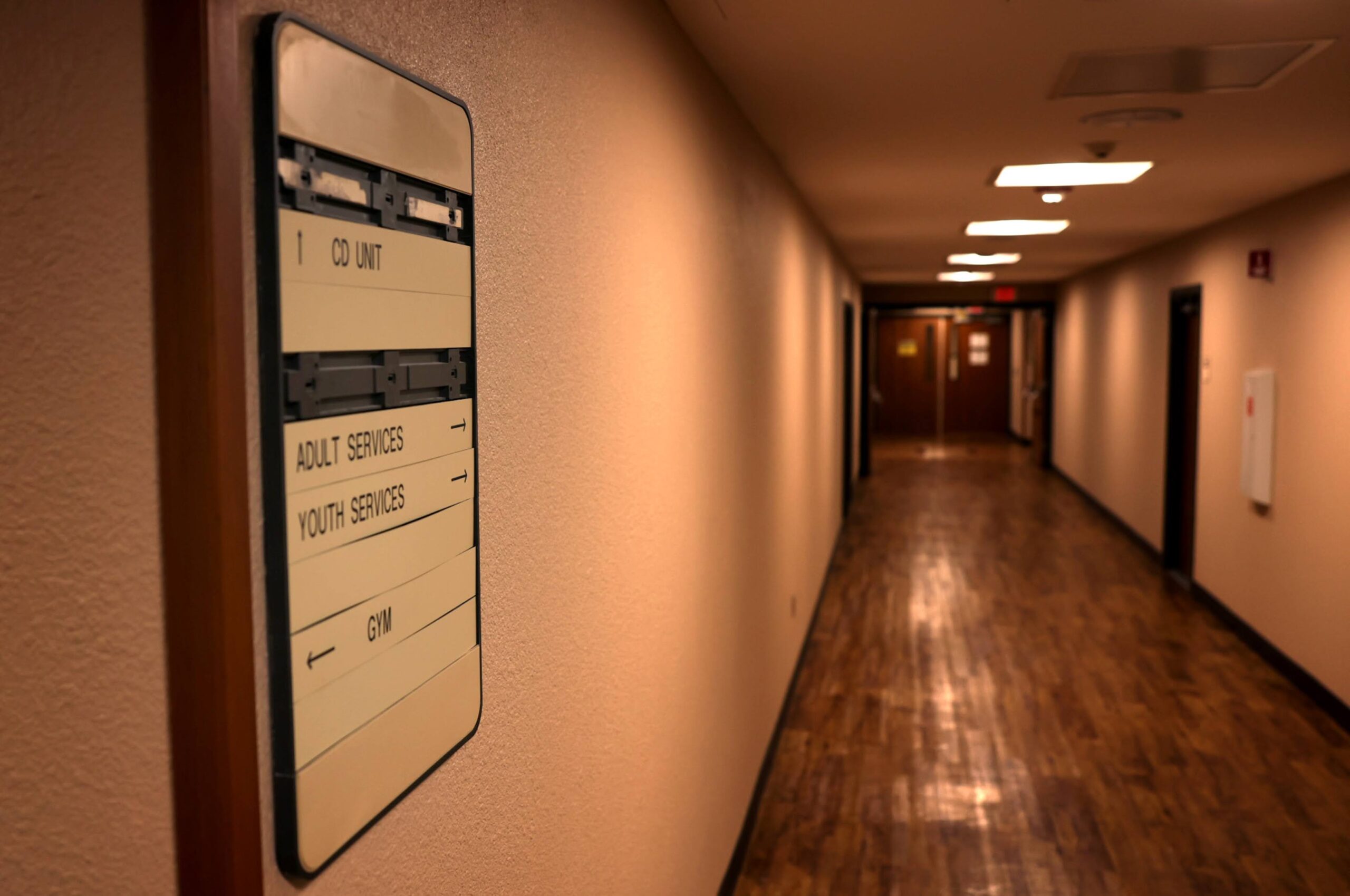
Nevada officials have announced the temporary closure of the Desert Willow Treatment Center, one of the state’s largest youth psychiatric facilities, in what leaders describe as an urgent effort to prioritize patient safety. The Las Vegas based center, which serves children between the ages of 6 and 17, began pausing operations on October 10 to undergo a comprehensive overhaul. Laura Rich, director of the Department of Human Services, stated that the move is a necessary response to systemic failures involving poor oversight, a lack of accountability, and chronic leadership gaps, including the absence of a dedicated hospital administrator.
While state officials frame the shutdown as a vital reset to revamp programming and staff training, union representatives are calling the move an unnecessary disruption. Lalo Macias of AFSCME Local 4041 argued that staff had been sounding alarms about dangerous conditions for years and that closing the doors creates chaos for vulnerable patients who need stability. Union members have previously highlighted harrowing incidents, including reports of staff being assaulted by patients, arguing that staffing shortages and inadequate training turned the facility into a hazardous environment for both workers and residents.
The closure is expected to last approximately six months and follows a recent state report indicating that the center was failing its highest needs clients. While most operations are suspended, the Competency Restoration Unit will remain open due to state law regarding court ordered placements. This transition has left many employees in limbo; while some are being retained to meet licensing standards, those on probationary status face layoffs. The department says it is working with human resources to help displaced workers find comparable positions elsewhere in the state.
As for the youth typically served by the facility, administrators say they are coordinating with Medicaid and partner organizations to secure alternative high level care. Despite concerns over where these children will go, Director Rich noted that current census numbers were low enough that relocations could be managed effectively before the deadline. Officials maintain that although shutting down a critical piece of mental health infrastructure is far from ideal, continuing operations under current conditions would have put children at unacceptable risk.
