
Finding the perfect pillow often feels like a matter of personal preference, but for Dr. Chris McCarthy, a top physiotherapist and associate professor at the Manchester School of Physiotherapy, it is a matter of science. The wrong choice can lead to chronic neck pain and stiffness, making the search for the ideal support essential for overall health. While some people go as far as traveling with their own bedding to ensure consistency, McCarthy suggests that achieving the right alignment depends primarily on your specific sleeping position and physical build.
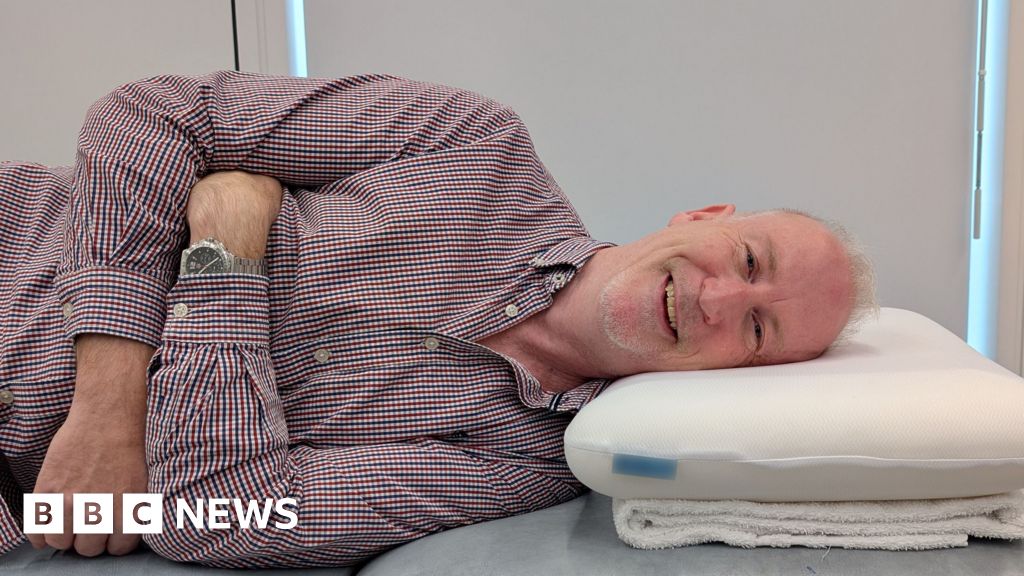
According to McCarthy, most people are either side, back, or front sleepers, though he strongly advises against sleeping on your stomach. This position forces the neck to remain turned for hours, which inevitably irritates muscles and ligaments over time. For those who prefer their backs, the key is considering the natural curve of the upper spine; individuals with a more pronounced bend typically require a thicker pillow to maintain proper alignment. Side sleepers face a different set of variables, where the primary concern is shoulder width combined with mattress firmness. A person with broad shoulders on a firm mattress will need significant loft, whereas someone sinking into a soft memory foam bed may actually require a thinner pillow since their body already occupies more space within the mattress.
Beyond positioning, materials play a crucial role in sleep quality. Feather and down options are praised for their ability to stay cool by wicking away heat, yet they frequently bunch up throughout the night, potentially leaving the sleeper with a kinked neck. Synthetic hollow fibers tend to hold their shape better but can run warmer. Even specialized orthopedic or contoured pillows aren’t guaranteed fixes for everyone; while some find comfort in dips and ridges designed to cradle the head, others describe these designs as feeling claustrophobic.
Since there is no universal gold standard for pillow design, McCarthy recommends an experimental approach to personalization. If a current pillow feels too flat, he suggests sliding a folded towel underneath it to incrementally increase the height until it feels correct. Once you find that sweet spot through manual adjustment, you can use those measurements to shop for a permanent replacement. Ultimately, because every body is unique, taking advantage of manufacturer trial periods is often the safest bet in finding a solution that prevents waking up with an aching neck.
