
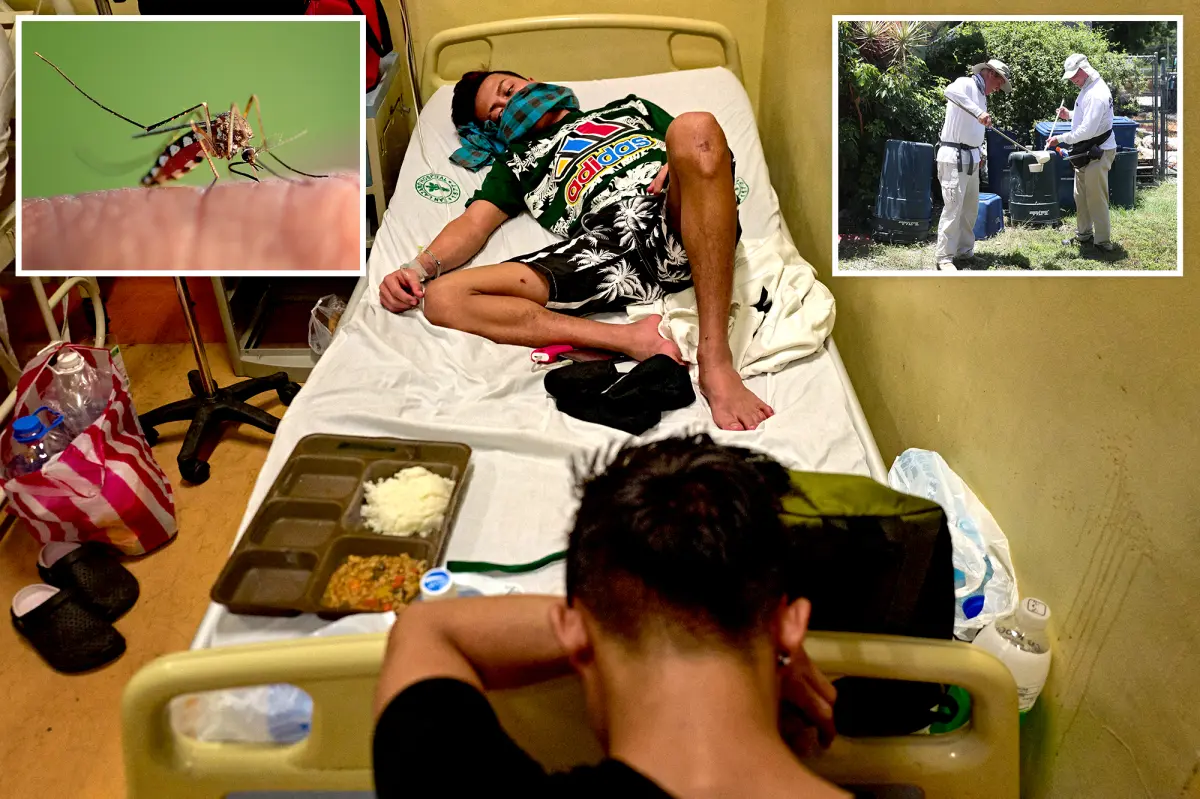
Florida health officials have declared a local state of emergency following a surge of dengue fever cases that they describe as wildly unusual for the region. The mosquito borne illness, often called breakbone fever because of the agonizing joint and bone pain it causes, has seen a dramatic rise in locally acquired infections. With 190 domestic cases and one confirmed death reported across several counties, including Hillsborough and Pinellas, the current figures represent the second highest total in the states history.
While many dengue cases in the U.S. typically stem from travelers returning from places like Southeast Asia or the Caribbean, the recent spike in indigenous transmissions has sounded alarm bells for public health experts. This marks one of the few times since 2009 that a significant outbreak has occurred within the continental United States outside of border regions. Specialists point to a perfect storm of contributing factors, citing heavier rainfall and rising temperatures that allow Aedes mosquitoes to breed more rapidly, alongside Florida’s geographic proximity to endemic areas like Puerto Rico.
The symptoms of the virus can range from mild fevers, rashes, and nausea to debilitating physical pain. Because some people remain entirely asymptomatic while carrying the virus, officials worry that official counts may actually underrepresent the true scale of the spread. To combat this, mosquito control teams are ramping up community outreach, conducting rigorous home inspections, and intensifying trapping and monitoring efforts throughout affected neighborhoods.
Despite these concerns, there are some early signs of hope as recent mosquito samples have tested negative for the virus over the last two weeks. Lab tests also suggest that infected female mosquitoes are not passing the virus down to their offspring, indicating that the immediate wave of infection may be waning. However, academics like Michael von Fricken from the University of Florida warn that residents should stay vigilant, suggesting that given changing climate patterns and global travel trends, these types of outbreaks could unfortunately become part of a new normal for the Sunshine State.
