
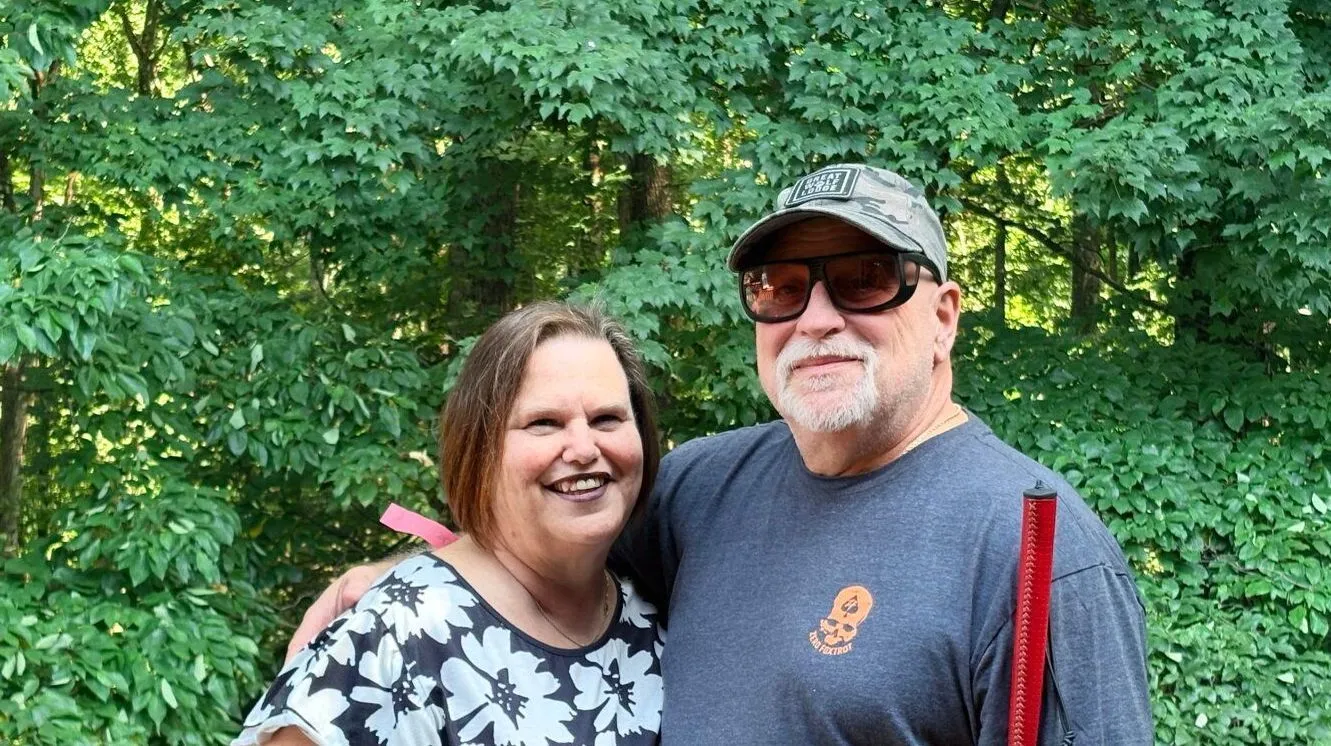
For four decades, Todd Engel spent his days operating heavy machinery across Maryland’s industrial landscapes. By early 2023, his life took a turn when his doctor prescribed Ozempic to manage his diabetes. What began as a routine medical treatment ended in tragedy on New Year’s Eve, when Engel woke up to find his vision gone, replaced by total darkness. Doctors diagnosed him with NAION, a form of optic neuropathy where tiny strokes block blood flow to the eye. Because neither he nor his physician were warned about a possible connection to the medication, Engel continued his injections until he lost sight in his second eye.
Engel is now part of a massive legal wave hitting manufacturers like Novo Nordisk and Eli Lilly. Thousands of plaintiffs allege that GLP-1 medications have caused life-altering injuries, ranging from permanent blindness to severe digestive crises like pancreatitis. Attorneys representing these patients argue that pharmaceutical companies failed to provide adequate warnings to the public and medical professionals, noting that while some risks may be rare, they are catastrophic for those affected. They contend that clinical trials cannot capture every possible reaction seen in a diverse, real-world population and that updated labels could have saved patients from irreversible harm.
The scientific community remains divided on whether these drugs actually cause such conditions or if they simply correlate with them. While studies published in journals like JAMA Ophthalmology suggest higher rates of optic neuropathy among users, organizations such as the American Academy of Ophthalmology caution that this data doesn’t prove causation. Since obesity and diabetes already complicate organ health and increase various medical risks, isolating the drug as the sole culprit is difficult. This ambiguity provides a strong defense for drug makers, who maintain that their products are safe and that serious adverse events remain exceedingly rare.
Despite the corporate pushback, federal regulators are paying attention. An analysis of FDA databases reveals over 1,000 reports of optic neuropathy linked to GLP-1s since 2024 alone, though these entries are largely voluntary and unverified. The FDA has confirmed it is conducting its own study to determine if regulatory actions or label changes are necessary. Until then, families like the Engels live in a state of permanent loss, fighting through the courts for answers while millions more continue to take the popular medications for weight loss and health management.
