
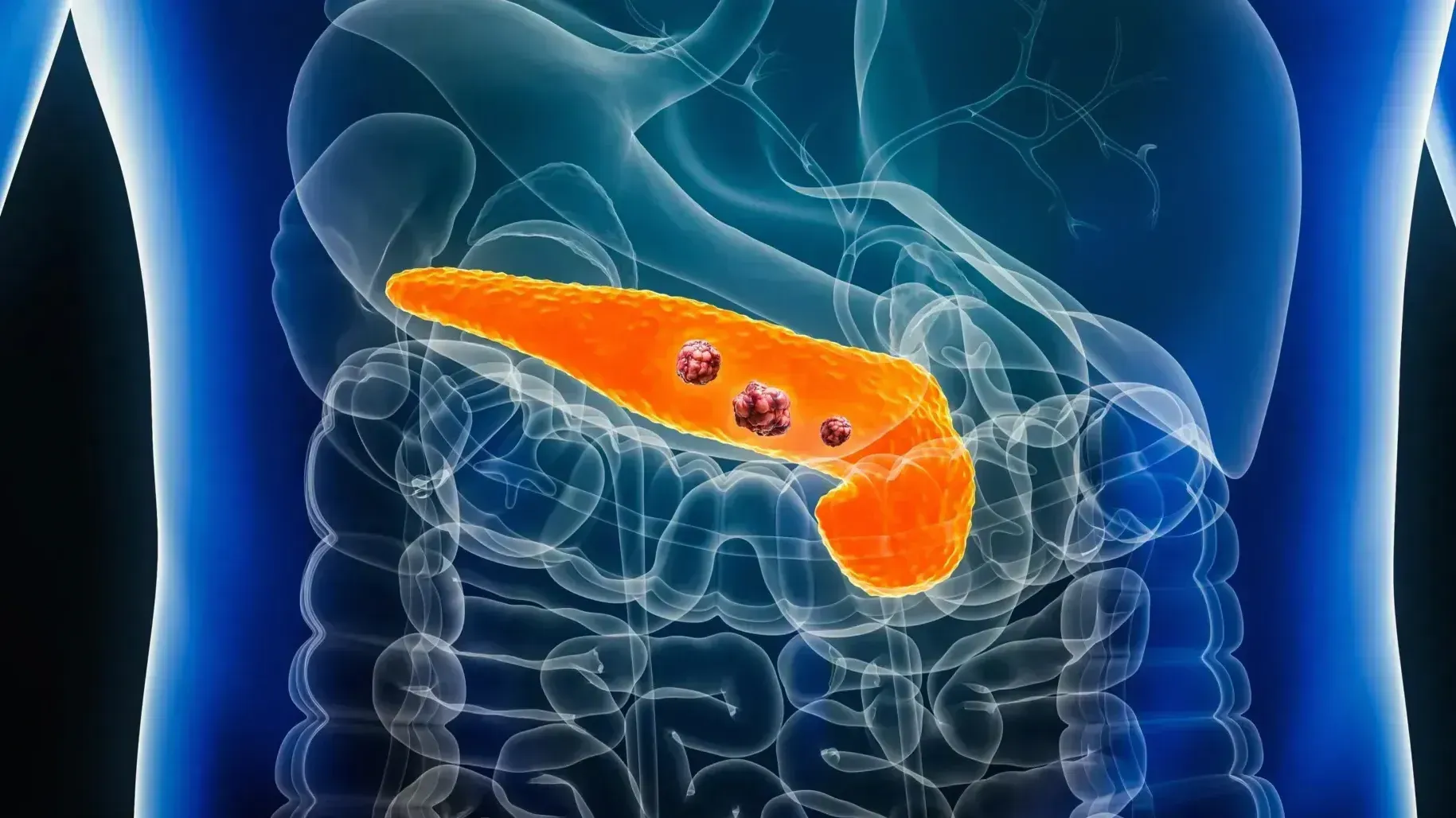
Medical researchers have developed a groundbreaking artificial intelligence system capable of spotting pancreatic cancer long before it becomes visible to the human eye. Known as REDMOD, the tool analyzes incredibly subtle textures and patterns within pancreatic tissue that typical CT scans miss. Because pancreatic ductal adenocarcinoma rarely shows symptoms until it has reached an advanced stage, it is notoriously difficult to catch early, leading to devastatingly low survival rates. By detecting the disease at its earliest onset, clinicians hope to shift the diagnosis timeline toward a stage where treatment is far more likely to save lives.
In a recent study published in the journal Gut, REDMOD demonstrated a remarkable ability to see what experienced radiologists could not. The AI examined scans from hundreds of patients and managed to identify markers of cancer an average of 475 days before a formal clinical diagnosis was made. In some instances, the system flagged risks up to three years ahead of time. While human experts struggled to find these invisible cues, REDMOD maintained a significantly higher sensitivity rate, proving particularly effective on scans taken more than two years prior to diagnosis.
Beyond its detective work, the software simplifies the diagnostic process by automatically outlining the pancreas and separating it from surrounding organs. This removes the manual tracing usually required by specialists, which can vary from person to person and lead to inconsistent results. The data suggests that if doctors could increase the number of localized cases caught early from ten percent to fifty percent, overall survival rates for this aggressive cancer could more than double.
While these results offer immense hope, the scientific team warns that REDMOD is not yet ready for routine hospital use. Further testing is needed to ensure the AI works accurately across diverse ethnic backgrounds and specifically within high risk groups, such as those with sudden diabetes or unexplained weight loss. Prospective trials will be essential to confirm that these digital warnings translate into better patient outcomes before the technology becomes a standard part of oncology care.
