
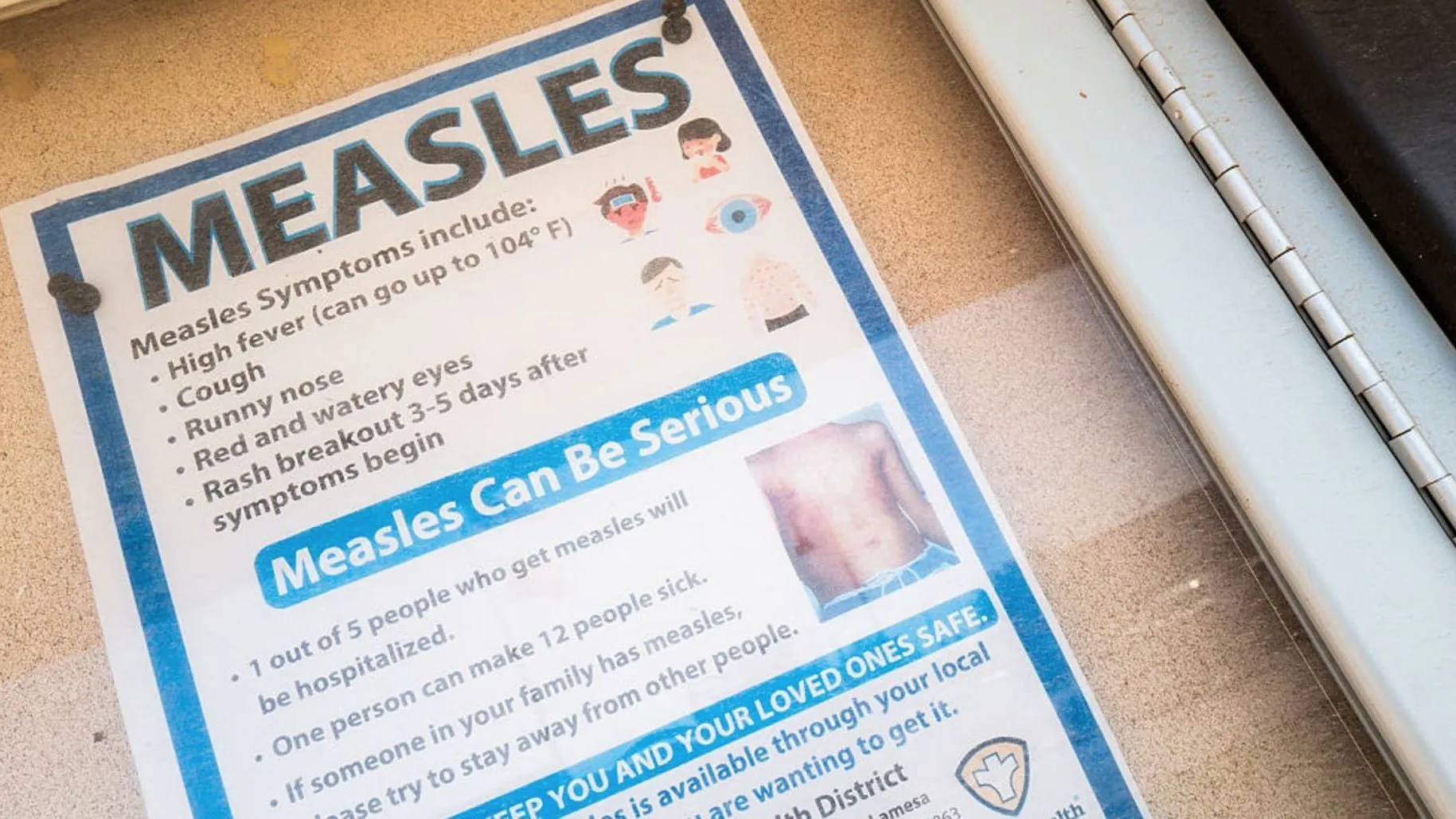
The United States is currently grappling with a sobering reality as measles, a disease long considered eliminated within its borders, makes a devastating comeback. With over 4,400 cases and several deaths reported this year alone, the country is facing its most severe outbreak in three decades. While the numbers are alarming on their own, public health experts warn that the virus is acting as a diagnostic tool for something deeper. Because measles is one of the most contagious pathogens known to science, its ability to spread reveals precise fractures in the nation’s healthcare defenses that might otherwise go unnoticed until a larger crisis hits.
At the heart of the resurgence is a steady decline in vaccination rates. To maintain herd immunity and stop a virus like measles from jumping between hosts, officials typically look for a 95 percent vaccination rate among children. However, recent data indicates that coverage for kindergarteners has slipped to roughly 92 percent, leaving hundreds of thousands of children unprotected. This gap isn’t necessarily caused by a wholesale rejection of medicine by all parents, but rather by growing pockets of hesitation and an erosion of trust in institutional guidance. These clusters of vulnerability allow the virus to take root locally before spilling over into broader populations, endangering infants and immunocompromised individuals who cannot be vaccinated.
Adding fuel to the fire is a volatile political climate surrounding federal health policy. Experts point to recent administrative shifts and rhetoric questioning vaccine safety as factors that undermine public confidence just when it is needed most. Combined with a depleted workforce at the CDC following the burnout of the pandemic era, the government’s ability to monitor and respond to outbreaks in real time has weakened. Some specialists describe current leadership actions as pouring gasoline on an existing fire, fearing that if the U.S. cannot control a preventable disease like measles, it remains dangerously unprepared for any future emerging pathogen.
