
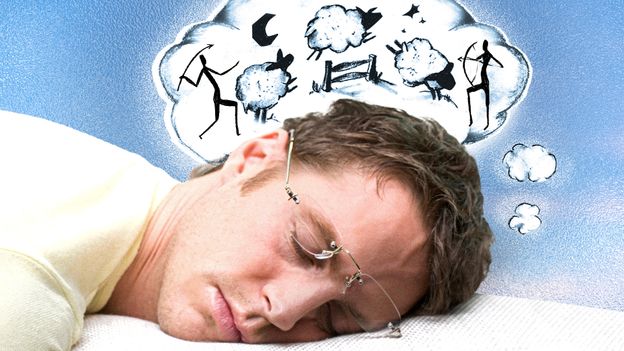
For millions of years, humans evolved to sleep in harmony with the natural world, yet modern society has largely severed those ties. New research into contemporary foraging societies suggests that hunter-gatherers rarely suffer from the insomnia or restlessness common in industrialized nations. In fact, sleep scientists note that members of communities like the Hadza in Tanzania often find the very concept of having trouble sleeping foreign. While these individuals may actually sleep fewer total hours and wake more frequently than city dwellers, they report higher levels of satisfaction and far fewer disruptions.
One of the primary secrets to this effortless rest lies in our relationship with nature’s clocks. Foraging societies rely heavily on zeitgebers, or time givers, such as sunlight and temperature shifts. While modern humans spend their days under fluorescent lights and their nights in climate controlled rooms, hunter-gatherers follow a rhythm dictated by the environment. Experts suggest that simply increasing daytime light exposure and allowing bedroom temperatures to drop slightly at night can help re align our internal biological clocks, mimicking the ancestral pattern of waking with the sun and cooling down as darkness falls.
Beyond biology, there is a profound social component to how our ancestors wound down. Anthropologists observing these groups have found that once the sun sets, practical concerns like logistics, childcare, and food gathering vanish entirely. Instead, evenings are dedicated to storytelling and community bonding around campfires. This creates a radical psychological shift between the productive stress of the day and the relaxation of the night, providing a clear mental signal to the brain that it is time to transition toward sleep.
This communal approach creates what some researchers call a nighttime cooperative niche, where shared spaces and social cohesion foster a sense of security and support. By contrasting this with our current habits of answering work emails or managing finances late into the evening, it becomes clear that we are missing a vital decompression phase. Incorporating small changes—such as stepping outside during lunch or carving out purely social, non digital time before bed—could help bridge the gap between our ancient evolutionary needs and our high tech reality.
