
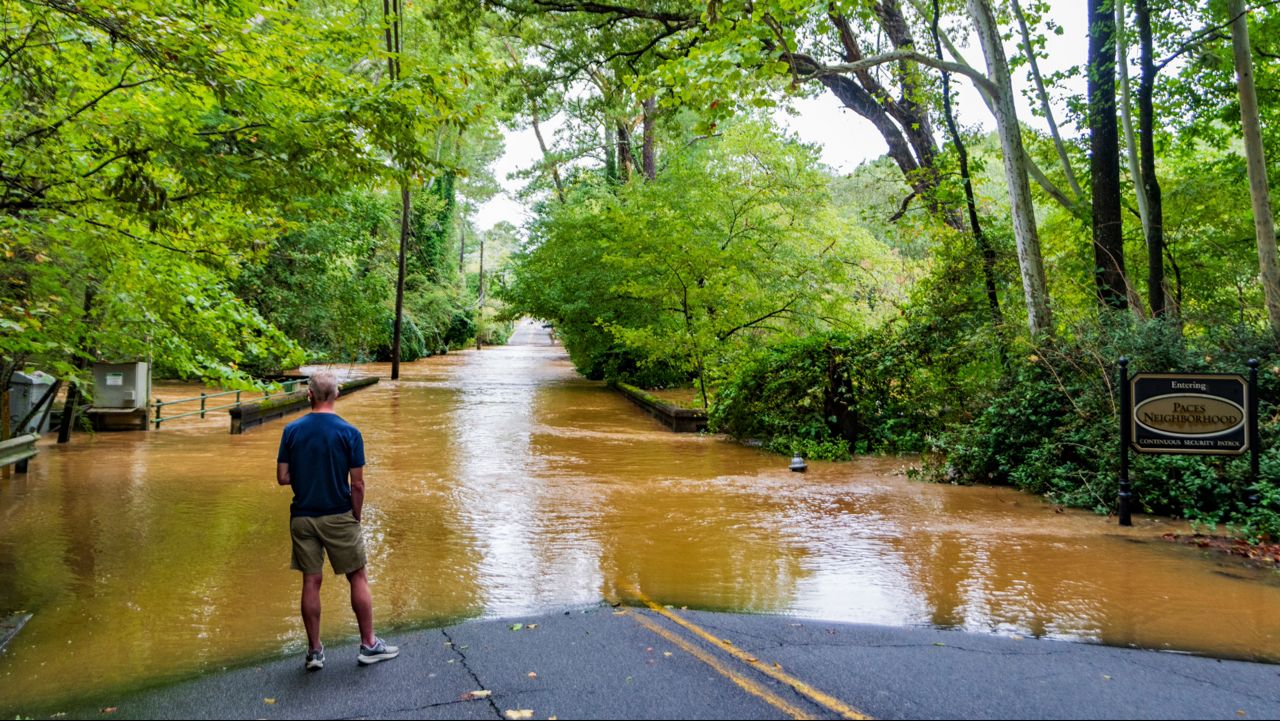
For many survivors of Hurricane Helene, the true devastation began only after the rain stopped and the floodwaters receded. While headlines focused on the billions of dollars in property damage and the staggering death toll across the Southeast, a quieter crisis emerged in the hearts and minds of those left behind. In East Tennessee, residents describe a landscape transformed not just by mud and debris, but by a lingering sense of dread. For women like Mrs. Betty in Greene County, the sheer scale of the flooding was unprecedented, shattering any previous notions of safety in a region accustomed to seasonal storms.
The emotional wreckage is often as permanent as the physical ruins. Laura Harville carries a weight that no insurance policy can cover, having lost her brother Boone when his rescue boat capsized at Bird’s Bridge. Her experience highlights a harrowing reality for thousands: the transition from acute shock to chronic trauma. Local mental health providers at the McNabb Center report a sharp rise in depression and anxiety, noting that post traumatic stress disorder symptoms frequently peak months after the initial event. For Laura, overcoming the stigma of seeking therapy and medication became a necessary step in surviving her own grief.
However, access to healing remains unevenly distributed. Experts warn that those with the least amount of financial stability or secure housing often bear the heaviest psychological burdens. When basic needs like shelter and transportation are stripped away, clinical support becomes a luxury many cannot afford. This vulnerability is particularly acute among children and elderly residents who may lack the internal or external resources to buffer themselves against such profound systemic stress.
Adding to this struggle is a phenomenon known as climate anxiety, exacerbated by a new world where yesterday’s safe ground is today’s flood zone. Jana Wills of the East Tennessee Long Term Recovery Group observes that even minor thunderstorms now trigger panic attacks among locals. A simple flash flood warning on a smartphone can act as a psychological trigger, dragging survivors back to the terror of 2024. As extreme weather events become more frequent due to shifting global climates, these communities find themselves trapped in a cycle of recovery and re traumatization, proving that while buildings can be rebuilt, the mind takes much longer to mend.
