
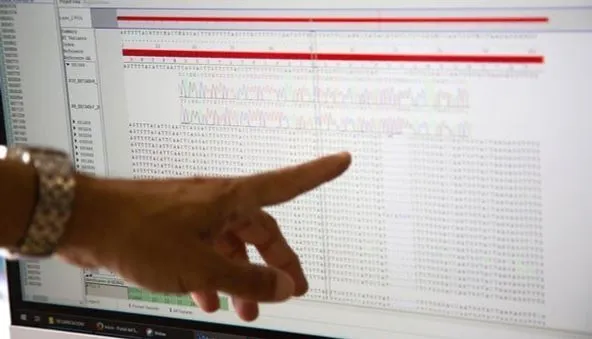
In the final days of 2019, virologists in China were faced with a medical mystery that would soon change the world. Patients arriving with severe pneumonia didn’t match any known pathogens in standard screenings. To solve the puzzle, researchers turned to metagenomic testing, a powerful tool that analyzes all genetic material in a sample rather than searching for a specific suspect. By scanning every piece of DNA and RNA present, they discovered a novel coronavirus closely related to MERS, effectively identifying Covid-19 and paving the way for global diagnostics and vaccines.
While its role in the pandemic was historic, this technology is now moving quietly into hospital wards to save lives on a daily basis. Traditional diagnostics often require doctors to guess which microbe might be causing an illness, essentially hedging their bets with broad treatments. In critical scenarios like meningitis or encephalitis, physicians may find themselves treating for both infections and autoimmune responses simultaneously—a contradiction that can involve suppressing a patient’s immune system while they are fighting an active virus. Metagenomics removes this guesswork by providing a comprehensive map of every organism inhabiting a patient’s system.
The real world impact of this precision medicine is already evident in complex clinical cases. Professor Charles Chiu of the University of California San Francisco recalls a patient facing a liver transplant due to suspected liver failure and meningitis. A metagenomic scan of her spinal fluid revealed she actually had hepatitis E, a treatable virus rarely screened for in wealthy nations. Once provided with the correct antiviral medication, she recovered fully, completely avoiding an invasive organ transplant through the power of genetic sequencing.
Despite its potential, the primary hurdle for metagenomics has always been speed; until recently, analyzing massive genomic datasets took days or weeks, far too slow for patients in critical condition. However, the integration of artificial intelligence and next generation sequencing machines has slashed turnaround times to mere hours. For immunocompromised patients or those suffering from sepsis, where Every minute counts in a race against death, this shift toward rapid genetic identification represents a fundamental evolution in how modern medicine fights the invisible enemies within our bodies.
