
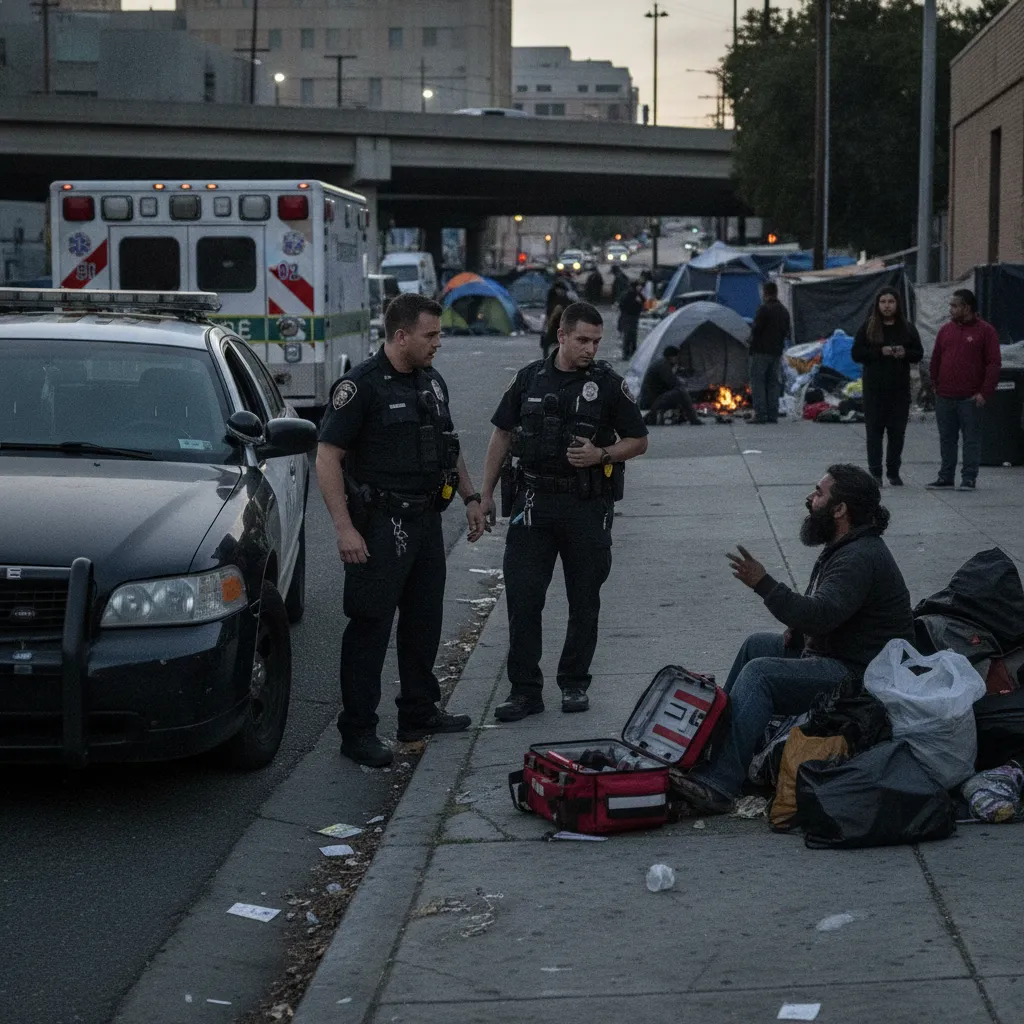
The emergency response system in Sacramento is reaching a breaking point as first responders grapple with an overwhelming surge in calls related to homelessness and mental health crises. For months, police officers and paramedics have found themselves acting as makeshift social workers, spending vast amounts of their shifts managing unstable situations that often require long term psychiatric care rather than immediate law enforcement intervention.
This influx of thousands of specialized calls has left city resources dangerously depleted. When crews are tied up for hours dealing with individuals experiencing psychotic breaks or coordinating shelter placements for those living on the street, they are unavailable for traditional emergencies like house fires or violent crimes. The resulting strain is creating a ripple effect across the region, leading to longer wait times and exhausted personnel who feel ill equipped for the clinical nature of these encounters.
City officials and frontline workers are now calling for a more sustainable approach to public safety that diverts non criminal behavioral health calls away from traditional sirens and toward medical professionals. Without a significant increase in dedicated mental health beds and permanent supportive housing, there are fears that the current model will continue to collapse under its own weight, leaving both the vulnerable populations and the rescuers in a state of perpetual crisis.
