
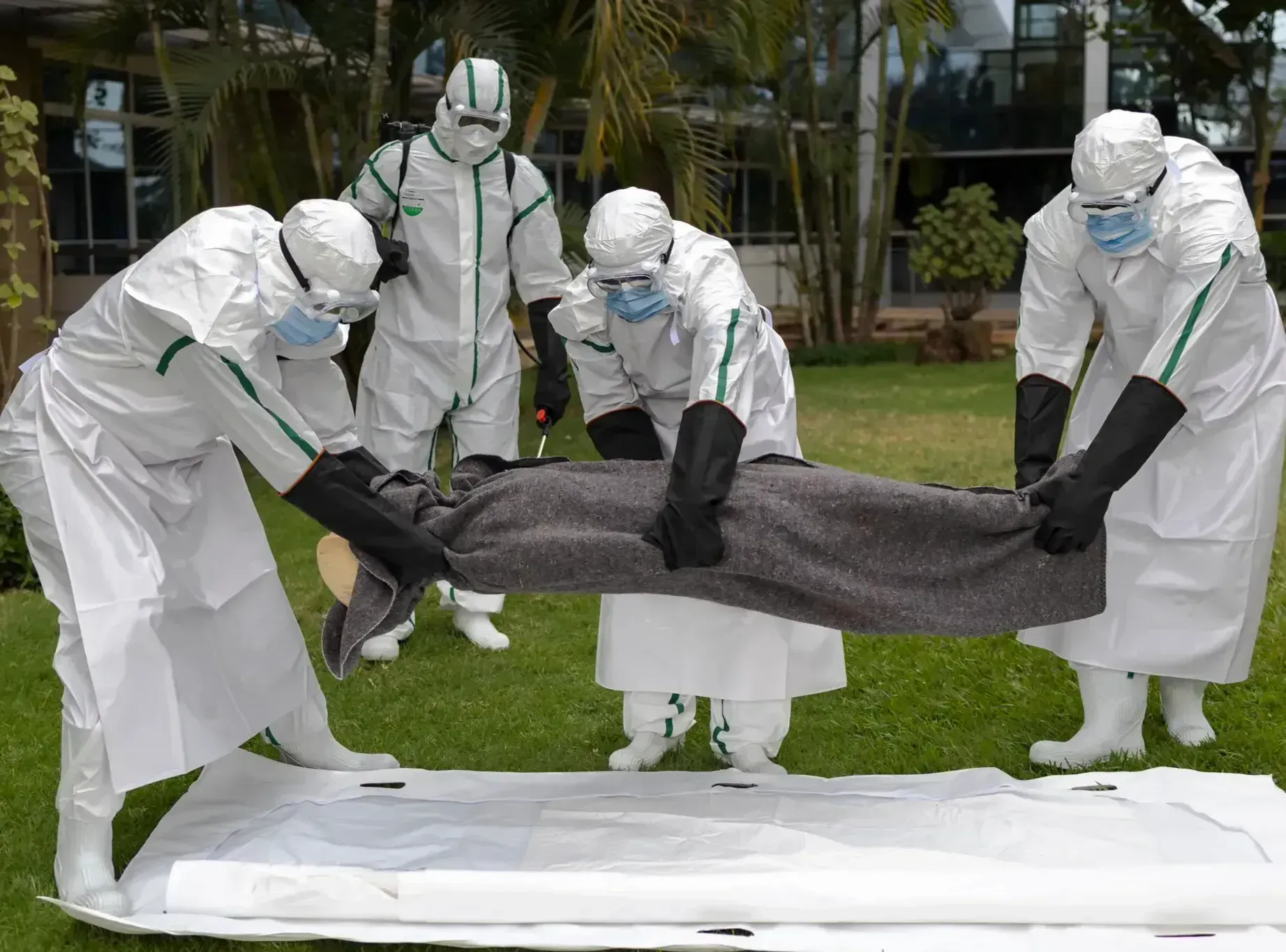
The Democratic Republic of the Congo is grappling with the most aggressive Ebola crisis in its history, with official figures now confirming more than 10,000 cases. The scale of the tragedy is underscored by a devastating mortality rate, as nearly half of those infected have succumbed to the virus. This surge marks the deadliest outbreak ever seen within the country and stands as the second largest globally, eclipsed only by the catastrophic West African epidemic of several years ago.
Health officials are particularly alarmed by how quickly the virus is jumping between populations. Currently, about 80 percent of new infections are appearing outside of monitored transmission chains, far exceeding the threshold where an outbreak can be considered under control. Complicating matters further is the fact that this specific wave is driven by the Bundibugyo virus, a rare strain for which there is currently no approved vaccine or treatment. While the World Health Organization has recently launched clinical trials for a potential vaccine, many patients remain without options.
The crisis has pushed an already fragile healthcare system to its breaking point. Treatment centers are overflowing and remote regions face critical shortages of medicine and staff. Beyond logistical failures, responders are fighting a battle against deep public mistrust. Violence has become a grim reality for frontline workers; recently, a nurse was murdered while responding to a suspected case, and other political figures supporting the health response have been targeted in brutal attacks. These tensions are exacerbated by strikes over unpaid wages among emergency personnel.
Fear is now crossing international borders as the virus spreads throughout Africa. From mandatory quarantines in Uganda to emerging cases in Kenya and Nigeria, neighboring nations are scrambling to tighten airport screenings and border controls. With maternal death rates spiking due to interrupted routine care and thousands still lacking access to basic treatment, experts warn that the window to contain this volatile strain is closing rapidly unless security improves and medical resources reach those in need.
