
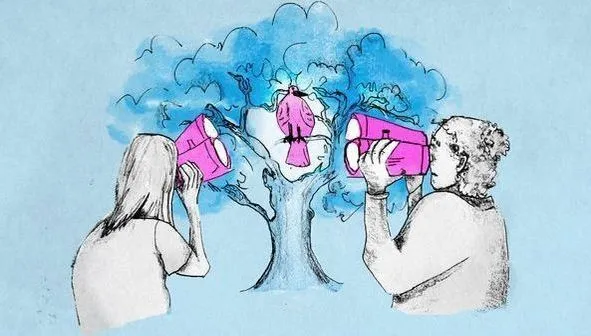
In the quiet corners of the English countryside, a small group of seniors gathers weekly inside a wooden hide at Forge Mill Lake. While many of these individuals struggle with the fog of dementia, forgetting recent events or losing the thread of a conversation, something changes when they look through their binoculars. As they spot the bright beak of an oystercatcher or the rhythmic bobbing of great crested grebes, they become animated and present. For people like 78 year old Harold, who had grown withdrawn and anxious due to his condition, the simple act of watching blue tits dart through trees provided a rare spark of laughter and a momentary escape from the frustrations of memory loss.
This emotional breakthrough is backed by emerging science suggesting that birdwatching does far more than provide peace of mind. Researchers at the Baycrest Academy for Research and Education in Toronto discovered that expert birdwatchers actually possess different brain structures compared to novices. By using MRI scans, lead researcher Erik Wing found increased activity in brain regions responsible for attention and visual recognition. More importantly, these experts displayed a higher level of neural organization—a quality that typically declines with age. This suggests that the hobby may trigger neuroplasticity, effectively rewiring the brain to preserve cognitive coherence well into seniority.
Beyond the biological restructuring seen in lifelong enthusiasts, simply engaging with nature offers immediate therapeutic value. Studies conducted in German nursing homes revealed that installing bird feeders outside common areas significantly boosted residents’ wellbeing within just a few weeks. Staff reported that participants became more cognitively agile, showing an improved ability to follow conversations and recognize visiting family members. Interestingly, psychologists have found that passion often outweighs proficiency; those who are genuinely enthusiastic about birds experience greater psychological restoration regardless of whether they can name every species they see.
These findings offer a hopeful perspective on how we approach elderly care and mental health across generations. Whether it is through structured therapy groups in hospitals or casual observation from a window, connecting with avian life seems to bridge the gap between isolation and engagement. With an increasing number of young people taking up binoculars today, early adoption of the hobby may serve as a long term investment in brain health, providing a gentle yet powerful shield against the inevitable effects of aging.
