
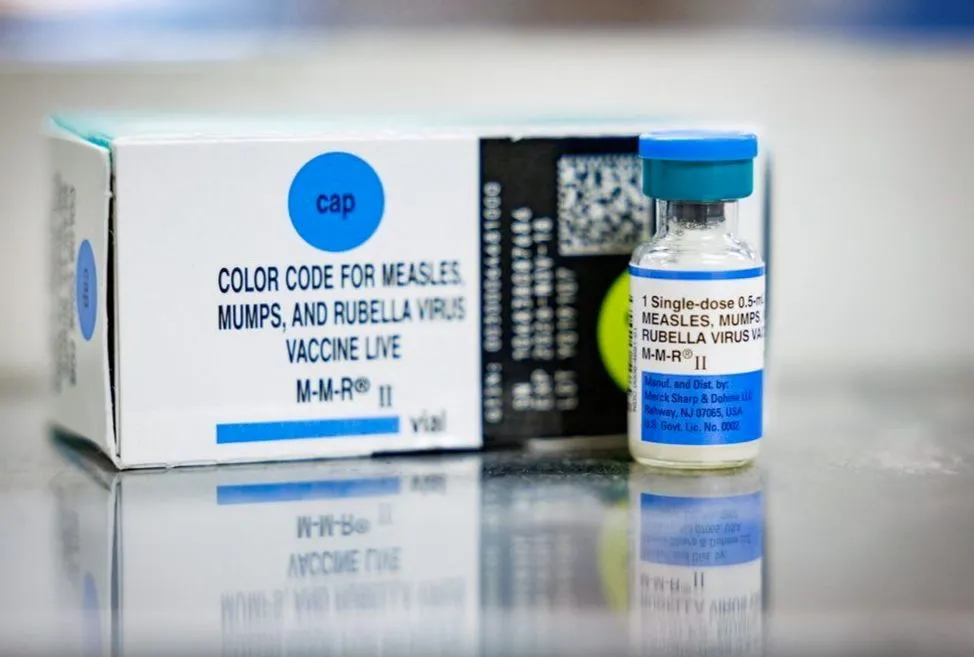
Medical professionals are warning of a disturbing new trend as babies in the United States are increasingly born with measles, a phenomenon rarely seen in decades. Known as congenital measles, the condition occurs when a pregnant woman passes the virus to her fetus in the womb, potentially leading to severe complications or death for the newborn. Preliminary data published recently reveals that thirteen such cases were reported between January and September of 2025, coinciding with larger national outbreaks that have pushed the U.S. toward losing its long held measles free status.
Experts believe this shift is the result of a perfect storm involving falling vaccination rates and a generational gap in immunity. For years, high uptake of the MMR vaccine kept the virus at bay, meaning many women of childbearing age neither received the shot nor developed natural immunity through exposure. As skepticism regarding vaccines grows and immunization rates dip below the critical ninety five percent threshold needed for herd immunity, these women have become highly susceptible to an infection that they then pass to their unborn children.
The risks for these newborns are devastatingly high. Babies born with congenital measles often present with fever and rashes immediately after birth, but the danger extends far beyond initial symptoms. Doctors warn that these infants face increased risks of pneumonia and encephalitis, as well as a rare and typically fatal brain disorder called SSPE. Because infants cannot receive their first routine MMR dose until twelve to fifteen months of age, they remain entirely dependent on maternal antibodies for protection during their first year of life.
Public health officials emphasize that the most effective defense is ensuring women are vaccinated before becoming pregnant, allowing protective antibodies to pass through the placenta. While those already pregnant cannot receive the MMR vaccine, there are emergency antibody treatments available if exposure occurs early enough in pregnancy. Pediatricians and health departments across states like Pennsylvania are now racing to educate providers and parents, stressing that regaining widespread vaccination is the only way to protect the most vulnerable members of society from a preventable tragedy.
