
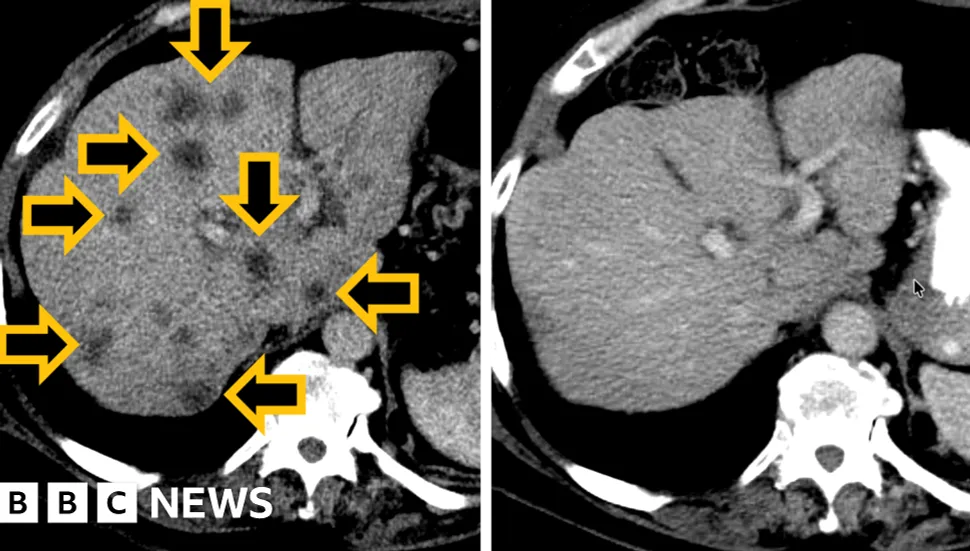
Medical researchers are hailing what could be the most significant advancement in pancreatic cancer treatment in decades following a trial involving a targeted daily pill. The drug, known as daraxonrasib, was administered alongside standard chemotherapy to 61 patients suffering from advanced stages of the disease. The results were striking, with tumors stopping their growth in nearly 90 percent of participants and disappearing entirely from CT scans in about one in twelve cases. For a cancer notorious for its low survival rates and resistance to traditional therapies, these findings represent a major shift in the clinical landscape.
The medication works by targeting specific RAS mutations that act as engines driving tumor growth, effectively attacking an area of the biology that scientists once considered undruggable. Dr Wungki Park of the Memorial Sloan Kettering Cancer Center noted that the treatment provided deeper responses than previous options and nearly doubled the duration of disease control. Because similar mutations are often found in lung and ovarian cancers, experts believe this breakthrough could eventually open doors for thousands of other patients facing different forms of malignancy.
Despite the enthusiasm, doctors are urging cautious optimism, stressing that the pill should not yet be viewed as a definitive cure. While some patients remained clear for eighteen months, it remains uncertain how long the drug can keep the disease at bay or whether it can induce permanent remission. Pancreatic cancer is exceptionally aggressive, often returning quickly even after successful shrinkage via chemotherapy. Long term studies are now essential to determine if these initial successes will translate into significantly extended lifespans for those diagnosed.
The emotional weight of this discovery is underscored by the devastating nature of pancreatic cancer, which claims tens of thousands of lives annually across the US and UK. By combining this new targeted inhibitor with existing treatments, clinicians hope to transform a diagnosis that usually offers only months of life into one managed over several years. As these results move through further testing phases, they provide a rare glimpse of genuine hope for families dealing with one of medicine’s most stubborn adversaries.
