
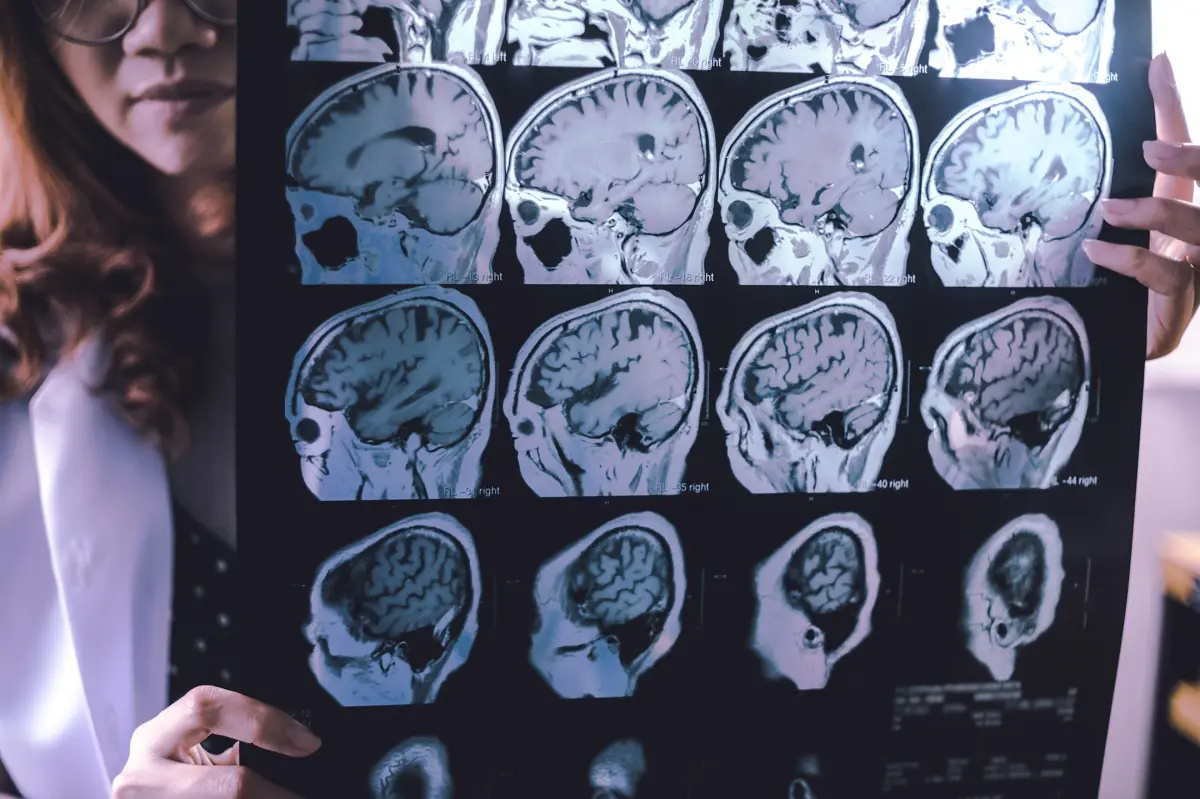
Most people believe that the keys to avoiding dementia lie in a disciplined lifestyle, involving daily crosswords, regular exercise, and a strict adherence to the Mediterranean diet. However, for some families, cognitive decline has nothing to do with personal choices or health habits. Instead, it is written into their DNA, emerging during the prime of life regardless of how carefully a person lives. This harrowing reality is at the center of Robert Kolker’s new book, The Vanishing Family: Love, Fate and the Quest to End Dementia, which follows three generations of a family haunted by an inescapable genetic legacy.
The narrative centers on Barb and her sisters as they witness a recurring tragedy within their lineage. It began with their mother, Jean, who withdrew from the world in her fifties, followed by their sister Christy, whose life derailed at forty four when she lost the ability to manage her career and household. When another sister, Mary, began exhibiting the same strange behavioral shifts in her late forties, Barb realized they were watching the same devastating movie play out repeatedly across different decades. What initially looked like familial melancholia or sporadic illness was actually something far more systemic and predictable.
Through extensive research and consultation with specialists, the family eventually discovered they carried a specific mutation on chromosome 17 known as V337M. This rare genetic marker triggers early onset frontotemporal dementia, leaving offspring with a coin flip’s chance of inheritance. This discovery transformed their grief into a profound ethical dilemma: whether to undergo testing and live with the certainty of future cognitive collapse or remain in ignorance. Through these intimate struggles, Kolker explores the tension between wanting to know one’s fate and the terror that comes with absolute medical certainty.
While the personal stories are wrenching, the broader implication of this family’s struggle offers a glimmer of hope for global medicine. By documenting how these mutations function in real time through people in midlife rather than the elderly, scientists are gaining critical insights into how brain impairment begins. Researchers now believe that families like this one hold the key to unlocking cures not just for rare genetic variants, but for all forms of age related dementia. Their willingness to step out of denial and into the light of scientific study may ultimately help save millions of others from vanishing while they are still young.
