
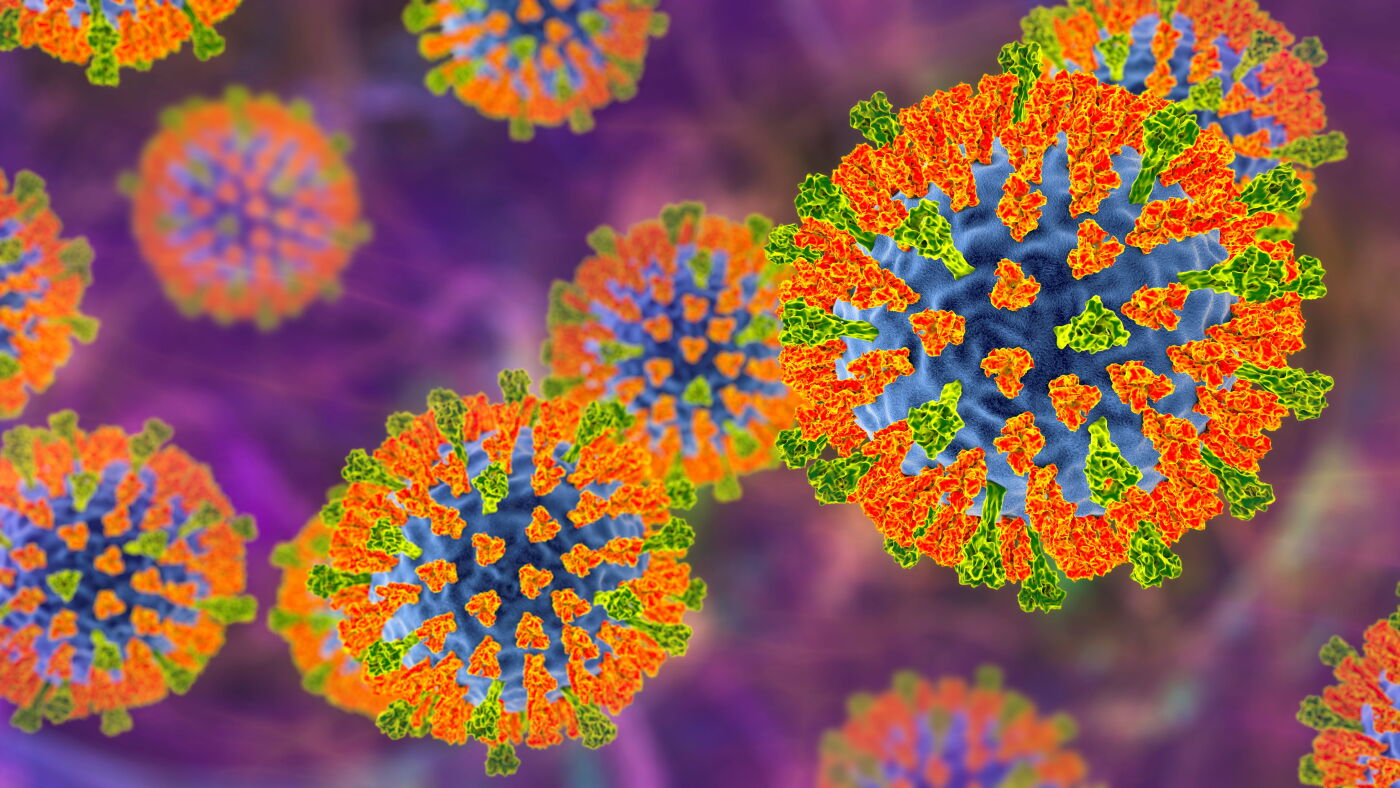
Measles is staging an alarming comeback across the United States, sparking fears among health officials that the country may be standing on the precipice of a full scale epidemic. While the virus was officially declared eliminated within U.S. borders back in 2000, a series of recent outbreaks in states including Texas, Pennsylvania, Utah, and Florida have seen hundreds of new cases emerge. These spikes serve as a grim reminder that diseases once thought conquered can return with surprising speed when public health safeguards slip.
The current surge has primarily affected unvaccinated individuals, highlighting a growing vulnerability in community immunity levels. However, the conversation surrounding these outbreaks has become increasingly clouded by political friction. As local and federal leaders clash over how to define and report measles associated deaths, many scientists argue that the political theater is distracting from the urgent biological reality of the situation.
Epidemiologist Michael Mina warns that focusing solely on individual cases misses the larger picture of systemic risk. According to experts, the high infectivity of measles means that without widespread vaccination efforts and clear communication, the window to prevent a national crisis is closing quickly. The goal now is to determine exactly who remains most at risk and whether coordinated intervention can reverse the trend before localized clusters evolve into an uncontrollable wave.
