
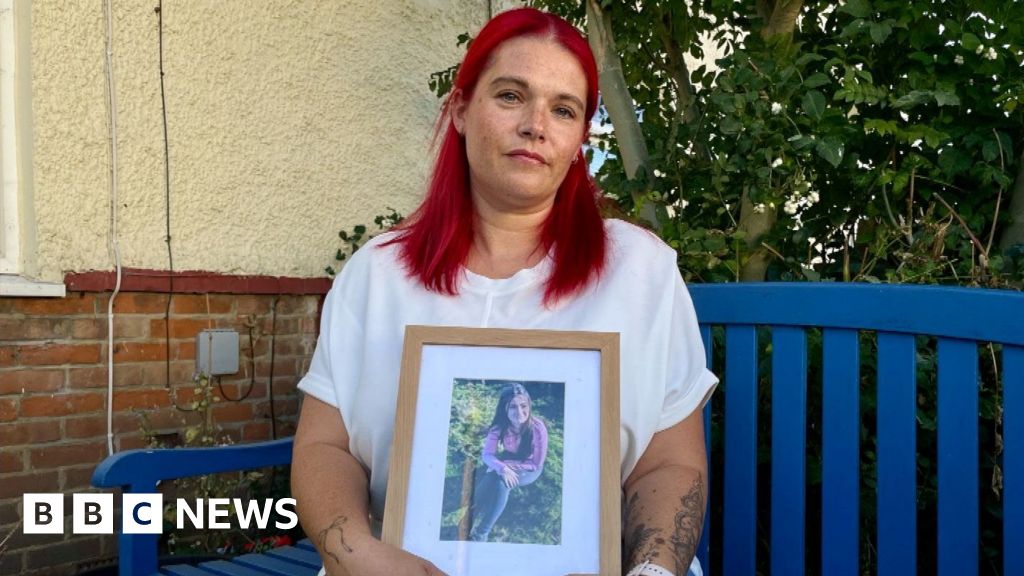
Natalie James is not looking for sympathy, but for a fundamental shift in how the healthcare system handles children in crisis. After losing her thirteen year old daughter, Ella, to suicide in late 2023, the Kent mother has launched a campaign demanding that mandatory risk assessments be conducted by trained professionals whenever a young person expresses an intent to end their life. With over ten thousand signatures already gathered on her petition, James is pushing the government to turn these assessments into a legal requirement rather than leaving them as optional guidelines.
The drive for change follows a harrowing four day inquest which revealed that Ella had been taken to accident and emergency just two days before her death. Despite having told both teachers and NHS staff that she wanted to kill herself, the coroner found there was a failure to perform an adequate risk assessment or take necessary steps to ensure her safety. For Natalie James, those warnings should have been treated as alarms. She describes Ella as a beautiful, hilarious girl who loved rugby, noting that while she cannot bring her daughter back, she can fight to ensure other parents do not endure the same heartbreak.
Supporting the cause is Ella’s best friend, Daisy Sunley, who believes a new law would stop vulnerable children from feeling like mere numbers being swept under a carpet. The sentiment is echoed by Dr Nihara Krause, a consultant clinical psychologist and founder of stem4, who argues that there is often a misunderstanding among professionals regarding the dynamic nature of suicide risk. Krause emphasizes that practitioners must provide genuine time and empathy to understand what is happening in a young person’s life rather than relying on rigid processes.
In response to the tragedy and the growing petition, a spokesperson for the Department of Health and Social Care stated that their thoughts are with Ella’s family and reaffirmed that concerns about youth mental health must be taken seriously. While officials pointed toward record investment in mental health services and the existing Suicide Prevention Strategy for England, activists argue that funding alone isn’t enough without legally enforceable standards of care. For Natalie James, it comes down to one simple necessity: when a brave child speaks up about wanting to die, they must be heard and protected immediately.
