
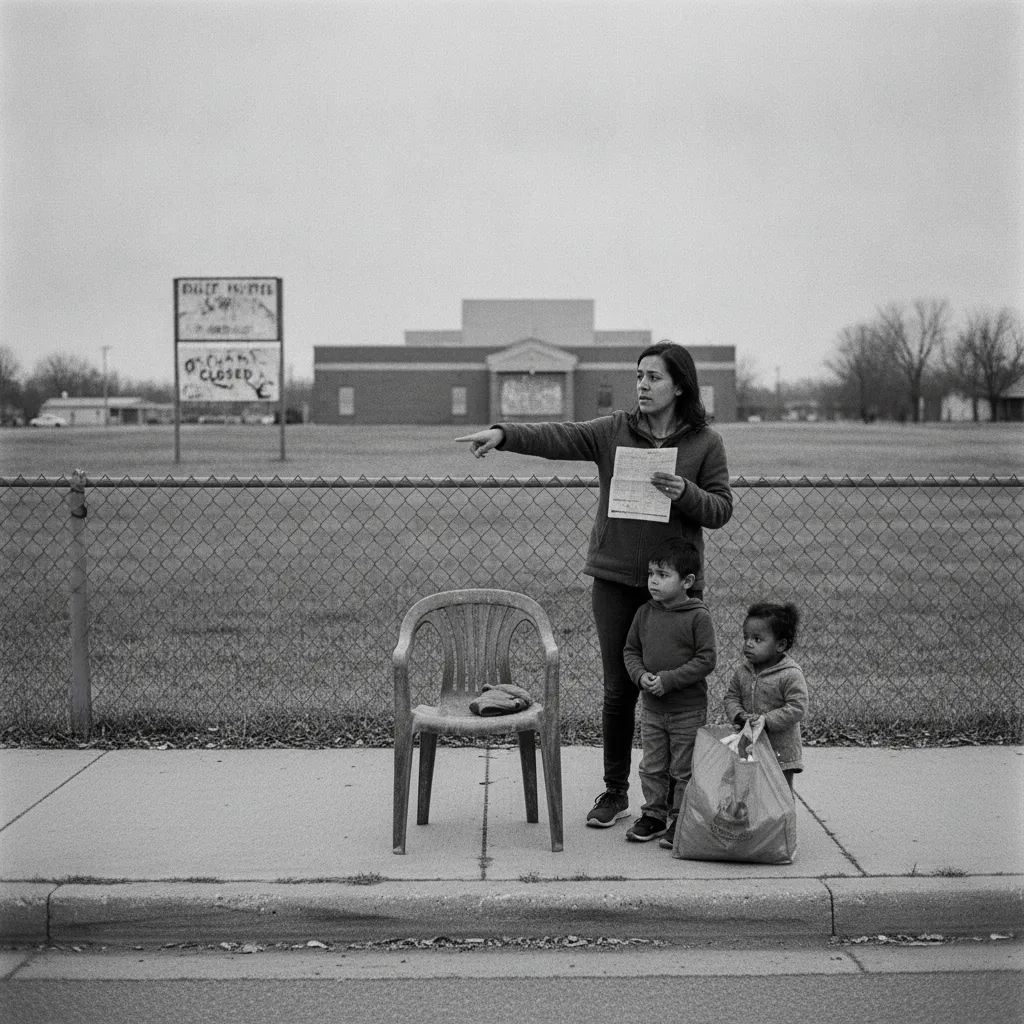
The sudden closure of the Highland Park Family Clinic in East Topeka has exposed a fragile infrastructure where healthcare and nutrition are becoming luxuries rather than rights. When GraceMed shut its doors at the Southeast California location this past June, citing a critical shortage of staff, it didn’t just move operations to another facility; it created a physical and financial wall between vulnerable residents and their doctors. For those relying on primary care, dental, or vision services, the shift means longer commutes, lost wages from missed work, and the daunting challenge of securing childcare just to see a physician.
This local crisis mirrors a grim national trend where community health centers are being hollowed out by systemic underfunding. While federal grants have seen modest increases over the last decade, they have failed to keep pace with the skyrocketing costs of medical care. This funding gap manifests as low pay and crushing workloads for clinicians, leading many to flee public health for more lucrative private practices. At Highland Park, the impact was stark: a clinical staff that once numbered sixteen plummeted to just five before the clinic finally collapsed.
Compounding these medical hurdles is a persistent food desert in central Topeka, where efforts to establish a full service grocery store have remained stagnant since 2016. Without easy access to fresh produce or affordable pharmacies, residents find themselves trapped in a cycle of poor nutrition and deferred maintenance of their health. This intersection of hunger and illness creates a compounding effect that disproportionately impacts those without reliable vehicles or the ability to navigate complex transit routes.
In response, local nonprofits are attempting to plug these holes with limited resources. The East Topeka Senior Center has evolved into an essential lifeline, providing door to door transportation for seniors and disabled adults who cannot reach bus stops or afford long trips across town. Beyond rides, the center now acts as a makeshift hub for survival, offering everything from blood pressure screenings and mental health support to distributing Meals on Wheels and commodity food programs. As formal institutions retreat due to budget constraints, these grassroots efforts remain the only thing keeping thousands of Topekans from falling through the cracks entirely.
