
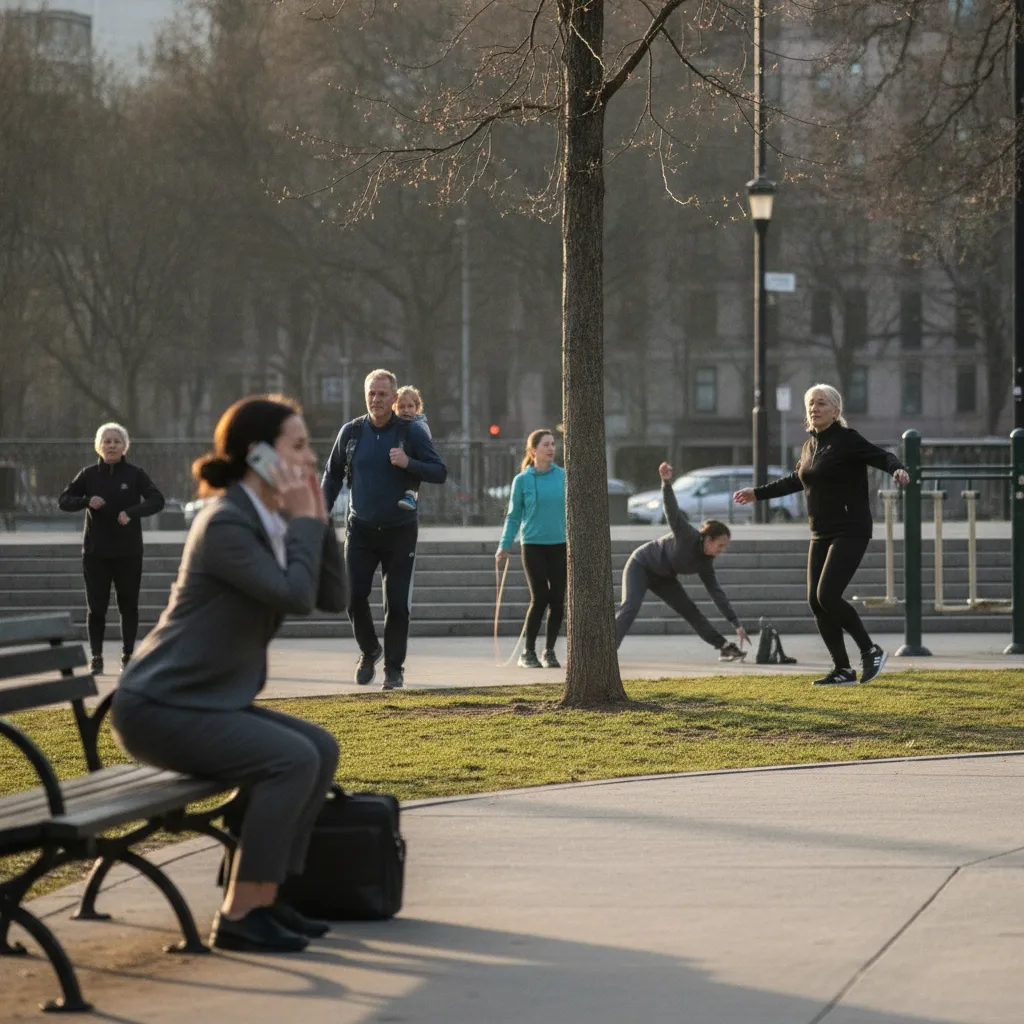
Finding time for a full gym session often feels impossible in a crowded schedule, but new research suggests that even a tiny window of effort can pay dividends for your nighttime recovery. A recent study published in the Journal of Physical Activity and Health indicates that just ten minutes of moderate to vigorous exercise per day may be enough to promote deeper, more restorative sleep. This finding offers a hopeful alternative for those who struggle to fit traditional workouts into their lives, suggesting that consistency is perhaps more valuable than duration when it comes to resting the brain.
The study tracked college aged adults using wearable technology and self reported surveys over several months. Researchers discovered that participants who engaged in at least ten minutes of activity most days experienced a higher proportion of non rapid eye movement sleep during the first few hours of the night. Because this specific phase includes the deepest stages of sleep, these individuals were effectively getting higher quality rest and reporting increased energy levels the following morning compared to those who remained sedentary.
Medical experts believe this phenomenon happens because physical exertion triggers essential biological shifts. According to sleep specialists, exercise influences adenosine levels and body temperature, both of which act as signals to the brain that it is time to wind down. As the body cools off after a period of exertion, it naturally encourages slow wave activity, which is a hallmark of deep sleep. Additionally, consistent daily movement helps regulate the body’s internal circadian clock, reinforcing a healthy rhythm between wakefulness and slumber.
While the benefits are promising, researchers clarify that these short bursts aren’t meant to replace overall health goals but rather to support existing sleep patterns. To get these results, the activity needs to be moderate to vigorous meaning something like brisk walking or jogging that raises the heart rate and makes conversation slightly difficult. Importantly, this does not require a formal trip to the gym; any purposeful movement that gets the blood pumping can contribute toward achieving a more refreshing night of sleep.
