
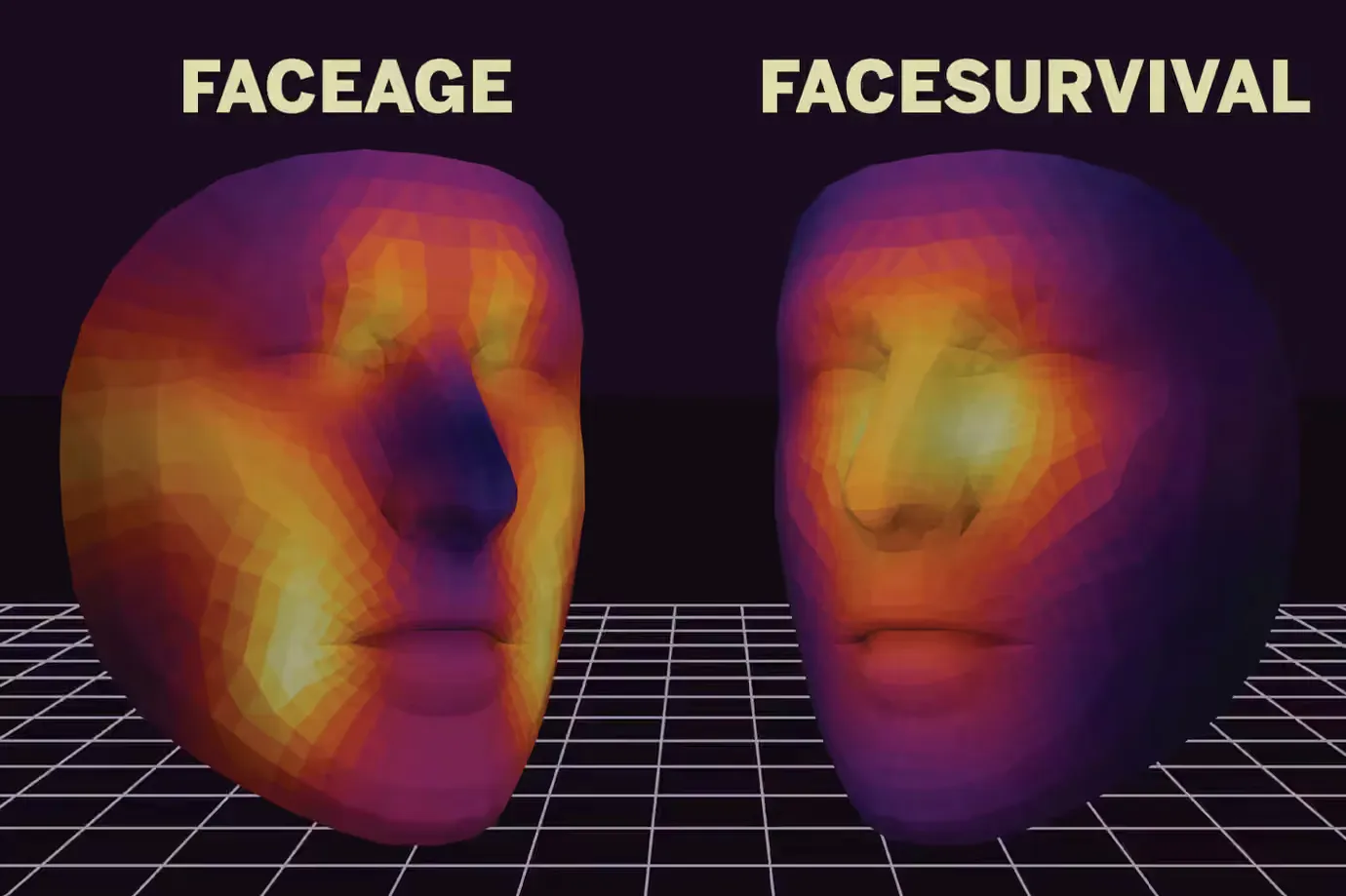
Mass General Brigham has launched a provocative new tool called FaceAge that allows users to upload a selfie to receive an immediate estimate of their biological age. While it might seem like a digital novelty, the project is actually part of a sophisticated effort to understand how our external appearance reflects internal health. Since its quiet launch in March, more than 10,000 people have already joined the database, providing researchers with a massive dataset to investigate how specific diseases and lifestyle choices manifest on the human face.
The science behind the tool is rooted in a vast foundation model trained on over 40 million images. According to a recent study published in The Lancet Digital Health, this technology does far more than count wrinkles. When applied to thousands of cancer patients, researchers found that those who appeared five years older than their chronological age faced a significantly higher risk of death. This discovery has led doctors to explore whether a simple photograph could act as a screening tool for frailty, helping clinicians identify high risk patients who need extra nutritional or physical support before undergoing intense treatments like radiation or surgery.
Interestingly, the AI does not see the world quite like humans do. Through heat mapping, researchers discovered that while the tool focuses on areas like the forehead and the lines around the mouth, it remains largely unaffected by makeup or most forms of plastic surgery. It is instead picking up on deeper physiological markers linked to aging and wellness. For instance, the data shows clear correlations between accelerated biological aging and heavy smoking or substance abuse, suggesting that our lifestyles leave indelible signatures that an algorithm can quantify.
Despite these breakthroughs, medical professionals emphasize that FaceAge is currently intended for research rather than individual diagnosis. Experts caution that because the model relies on historical data rather than controlled clinical trials, its accuracy can vary depending on the type of illness being tracked. Ultimately, the goal is not to replace the expertise of a doctor with an app, but to provide physicians with a scalable, objective way to assess a patient’s resilience and personalize care plans based on visible signs of biological wear and tear.
