
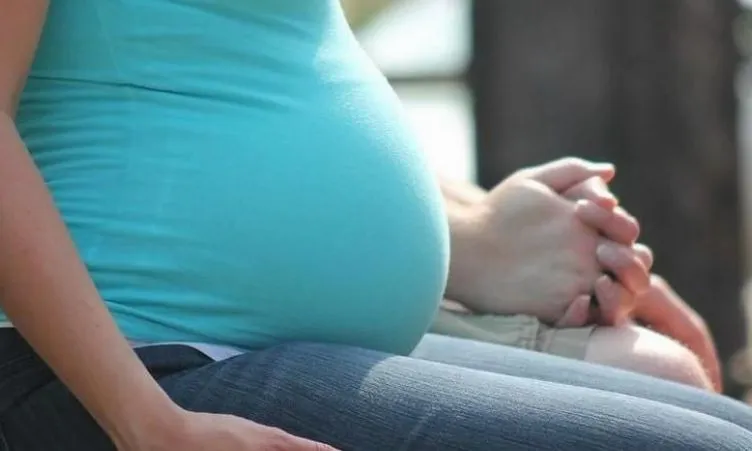
Health officials in Pennsylvania are sounding the alarm over a resurgence of congenital measles, a condition so rare in recent decades that many practicing physicians have never encountered it. This urgent warning comes as the state grapples with a wider outbreak that has already claimed several lives and infected over twelve hundred people. Most concerning to medical professionals is the impact on expectant mothers, with sixty six pregnant women contracting the virus this year alone. At least six newborns have already been born with the infection, raising fears about long term infant health and mortality.
The situation presents a significant clinical challenge because there is very little modern data available to guide doctors. Dr. Adam J. Ratner of the American Academy of Pediatrics notes that without a national database or comprehensive statistics, clinicians must rely on small case studies from other countries to understand how the virus behaves in utero. While official definitions typically limit congenital measles to infections occurring just before or after birth, some international reports suggest the virus can persist much longer, meaning current tracking methods might be missing a substantial number of cases.
Adding to the complexity is the fact that mild symptoms in pregnant women often go unnoticed and unreported, creating a gap in public health records. With infant outcome data legally protected by privacy laws in Pennsylvania, officials are struggling to paint a complete picture of the crisis. Two of the state’s recorded measles deaths involved infants, though it remains unclear if these were direct results of congenital transmission or postnatal exposure.
To combat the spread, the Pennsylvania Department of Health is strongly urging women to ensure they are fully vaccinated with the MMR series before becoming pregnant. Since the vaccine contains a live virus, it cannot be administered during pregnancy. For those already expecting who face exposure, there is only a narrow six day window to seek specialized immunoglobulin therapy to protect both mother and child. Until vaccination rates improve, experts warn that newborns remain vulnerable to everything from mild rashes to fatal multi system failure.
